
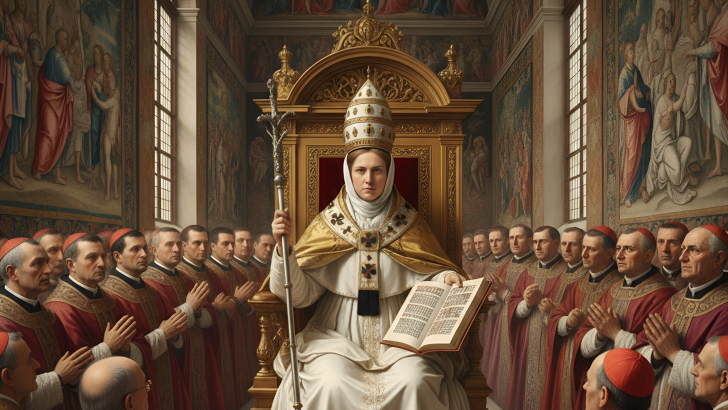
The legend of Pope Joan is one of the most unusual and debated stories connected to the history of the medieval Church.
According to tradition, a woman disguised herself as a man, entered religious life, and eventually rose to become pope.
Whether true or fictional, the story has fascinated readers for centuries because it combines ambition, secrecy, intelligence, and dramatic discovery.
Some historians believe the tale was created for political or moral reasons, while others think it may contain a small piece of truth that grew over time.
Regardless of its accuracy, the legend reflects medieval attitudes toward authority, education, and gender roles.
These ten facts explore the origins, details, and lasting influence of the mysterious figure known as Pope Joan.
1. The Story Appeared Centuries After the Alleged Events
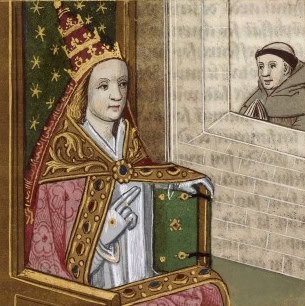
The earliest written accounts of Pope Joan appeared in the thirteenth century, even though the story claims she lived during the ninth century.
This long gap between the supposed events and the written records has caused historians to question the story’s reliability.
Medieval writers included the tale in historical collections, which helped spread it across Europe.
Because people trusted these sources, the story gained acceptance over time. However, the late appearance suggests the legend may have developed gradually through storytelling rather than direct memory.
The lack of earlier records remains one of the strongest reasons scholars doubt that Pope Joan was a real historical figure.
2. She Was Said to Be Exceptionally Intelligent
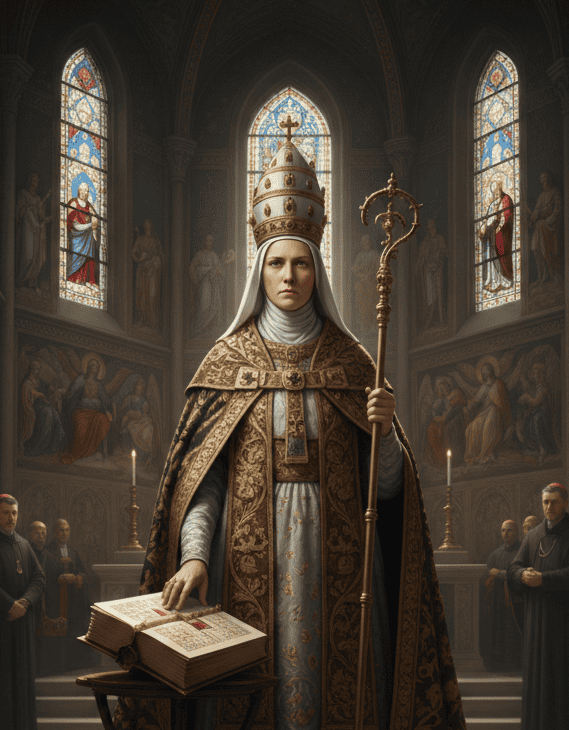
According to the legend, Joan showed great intelligence and curiosity from a young age.
Because women had limited access to education, she disguised herself as a man in order to study subjects such as theology, philosophy, and classical learning.
Her academic ability allowed her to gain respect from teachers and church leaders.
Over time, she became known for her wisdom, discipline, and dedication to religious life.
This part of the story reflects the value placed on learning in medieval society and also highlights the barriers women faced.
Whether real or symbolic, the legend presents education as the foundation of her remarkable rise.
3. She Lived for Years Under a Male Identity
The central element of the story is Joan’s long life under a male identity. She reportedly dressed, spoke, and behaved like a man in order to avoid suspicion within the Church.
Maintaining this disguise required careful self-control and constant awareness of her surroundings.
According to the legend, her intelligence and modest behavior helped her avoid attention while building a strong reputation.
Over time, she was ordained and advanced through church ranks.
This part of the tale emphasizes the strict limits placed on women in medieval institutions and suggests that talent alone was not enough without social acceptance.
4. Her Reputation Led to Rapid Advancement
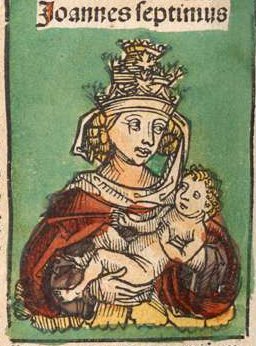
As the story continues, Joan’s knowledge and leadership skills brought her increasing responsibility within the Church.
She became known as a trusted teacher, advisor, and administrator. Her calm judgment and ability to solve problems earned the respect of clergy and citizens alike.
This strong reputation eventually placed her among the most influential church figures of her time.
The legend presents her rise as the result of merit rather than political ambition.
This theme of recognition based on ability helped make the story appealing to later audiences, who saw it as proof that intelligence could overcome social barriers.
5. She Was Allegedly Elected Pope by Church Leaders
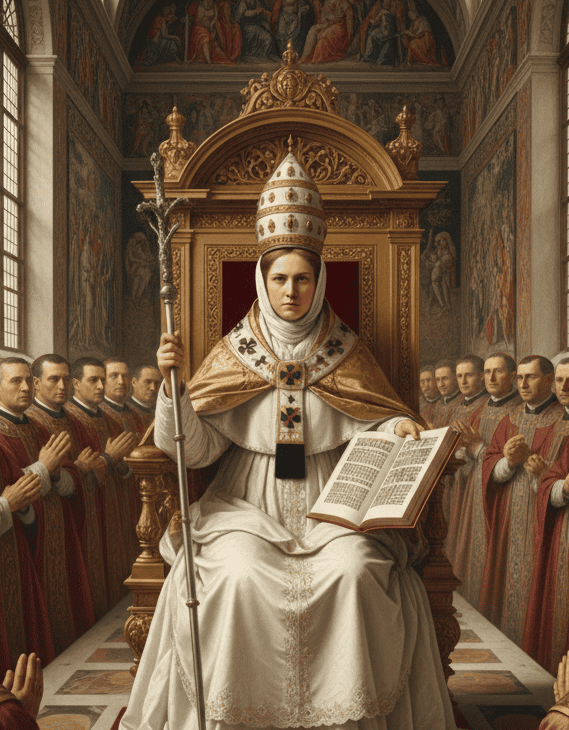
According to the legend, Joan’s reputation for wisdom and integrity led to her election as pope after the death of her predecessor.
Church officials believed they were choosing a capable and respected man.
Her election represented the highest point of her secret life and demonstrated the trust she had earned.
The idea that a woman reached the most powerful position in medieval Christianity added to the story’s dramatic impact.
This moment also reflects the importance of reputation and public respect in church leadership during the Middle Ages.
6. Her Identity Was Revealed in a Dramatic Event
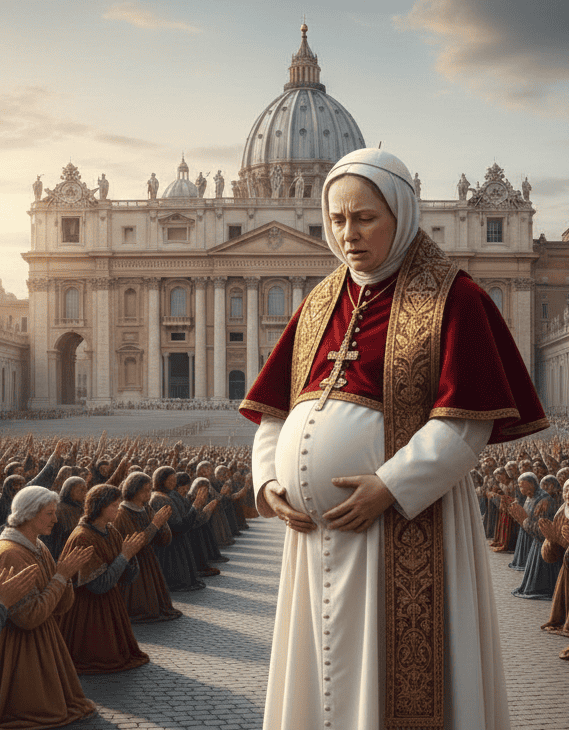
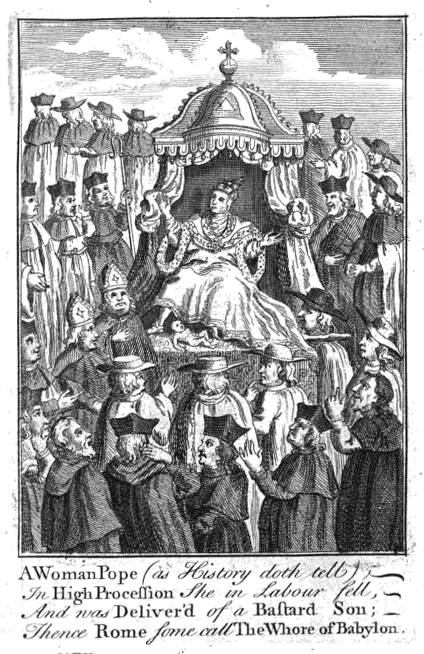
The most famous part of the legend claims that Joan’s true identity was discovered during a public religious procession.
According to medieval accounts, she suddenly gave birth, revealing that the pope was actually a woman.
The unexpected event shocked the crowd and ended her papacy immediately. Different versions describe various outcomes, including death from illness, public anger, or quiet removal from office.
This dramatic scene helped the story survive for centuries because it combined secrecy, surprise, and tragedy in a way that captured public imagination.
7. There Is No Reliable Historical Evidence
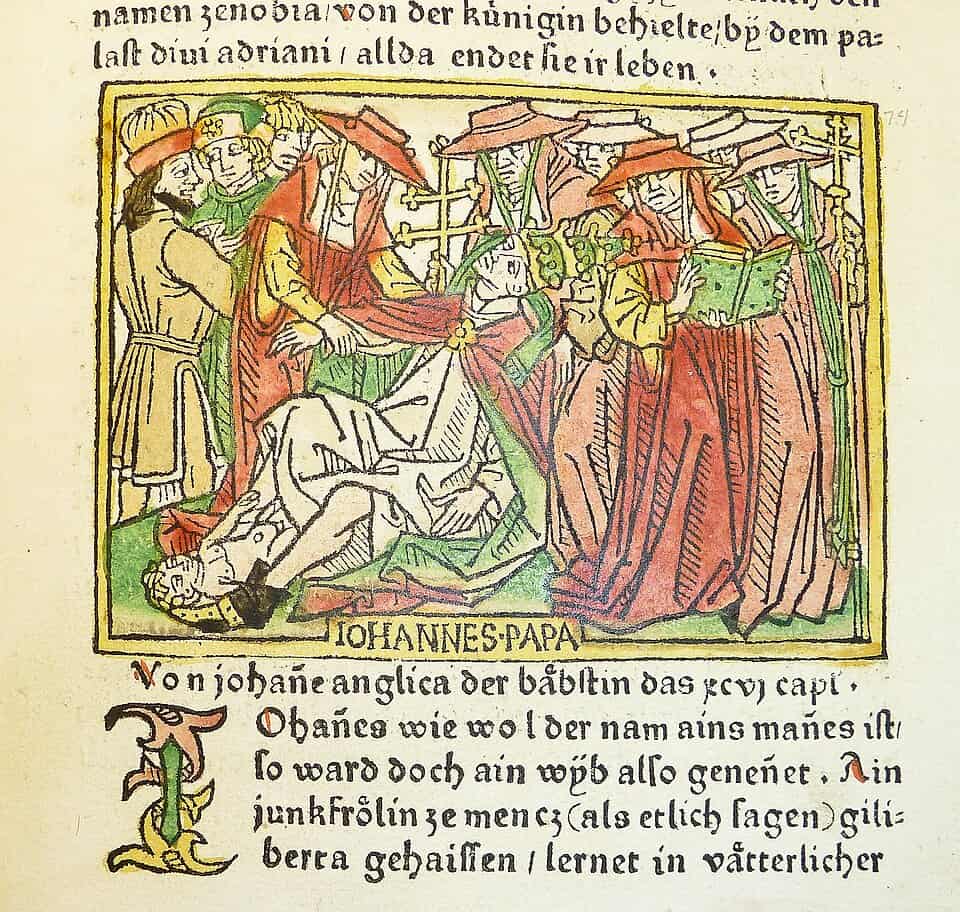
Modern historians generally agree that there is no solid evidence that Pope Joan ever existed.
Church records from the period list all known popes, and there is no gap where her reign could fit.
The timeline described in the legend also conflicts with documented historical events. Scholars believe the story likely developed as a popular tale rather than a factual account.
As historical research methods improved, confidence in the legend declined. Today, it is widely considered a myth rather than a real chapter in church history.
8. The Legend Was Widely Believed for Centuries
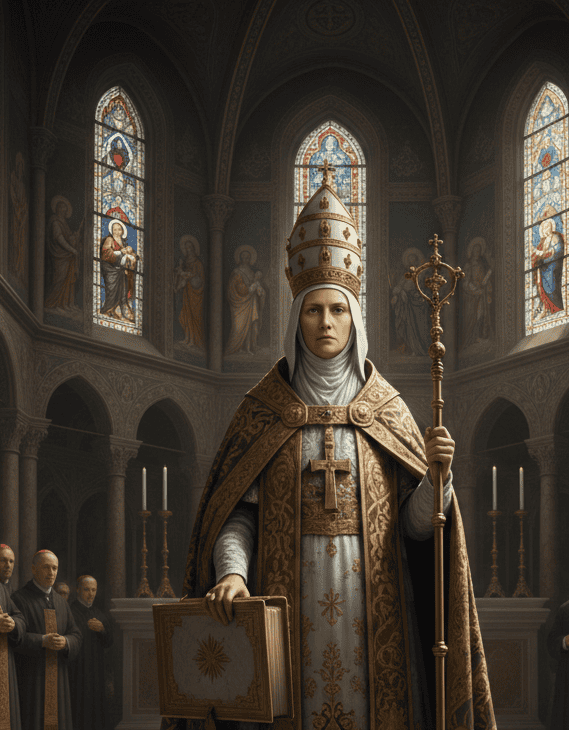
Despite the lack of evidence, many people believed the story of Pope Joan during the late Middle Ages and early modern period.
It appeared in chronicles, sermons, and educational texts across Europe. Even some respected scholars accepted it as a historical fact.
The widespread belief shows how powerful repeated storytelling can be. Over time, however, critical scholarship and better historical records led to growing skepticism.
The shift from acceptance to doubt reflects the gradual development of modern historical thinking.
9. The Story Reflects Medieval Attitudes About Women
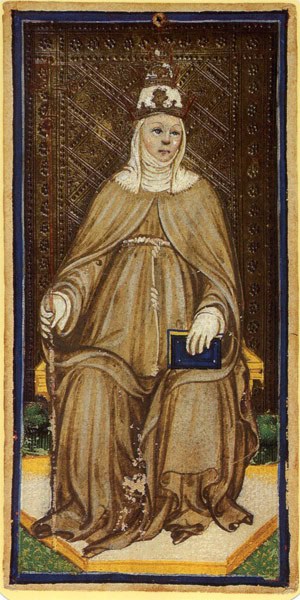
The legend of Pope Joan reveals much about medieval views of gender and authority.
Some versions present the story as a warning against women seeking power in male-dominated roles.
Others portray Joan as intelligent and capable but limited by social restrictions. The tale reflects both admiration for her abilities and concern about changing traditional roles.
This mixture of respect and anxiety helps explain why the story remained popular and meaningful within medieval culture.
10. She Remains a Powerful Symbol of Mystery
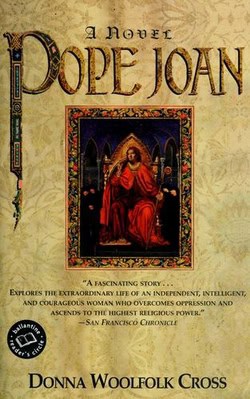
Today, Pope Joan exists mainly as a cultural and symbolic figure rather than a historical one.
Her story raises questions about how legends form and why people continue to believe them.
It also highlights themes of hidden identity, ambition, and the struggle for opportunity. Writers, artists, and filmmakers still draw inspiration from the legend.
Whether viewed as fiction, myth, or social commentary, the story of Pope Joan continues to spark curiosity and debate, showing the lasting power of storytelling in shaping historical imagination.

I always felt a strong connection to the Divine since my birth. As an author and mentor, my mission is to help others find love, happiness, and inner strength in the darkest of times.