
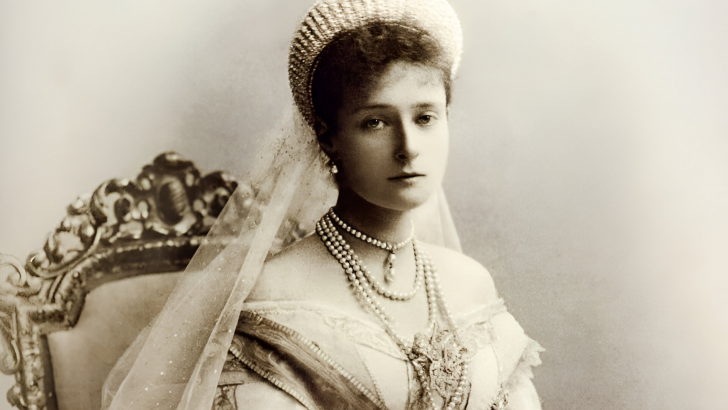
Russian history is full of grandeur, mystery, and tragedy, and few figures capture all three as vividly as Tsarina Alexandra Feodorovna.
As the wife of Tsar Nicholas II, the last ruler of imperial Russia, Alexandra witnessed the end of an era filled with political turmoil, social unrest, and personal heartbreak.
Even today, centuries later, stories claim that her spirit lingers in the halls of Russian palaces, especially the Winter Palace in St. Petersburg and other royal residences.
Visitors and staff report strange sightings, unexplained sounds, and eerie feelings that are often attributed to the late tsarina.
But who was Alexandra, and why does her presence still haunt Russia’s grandest palaces?
The Life of a German Princess in Russia
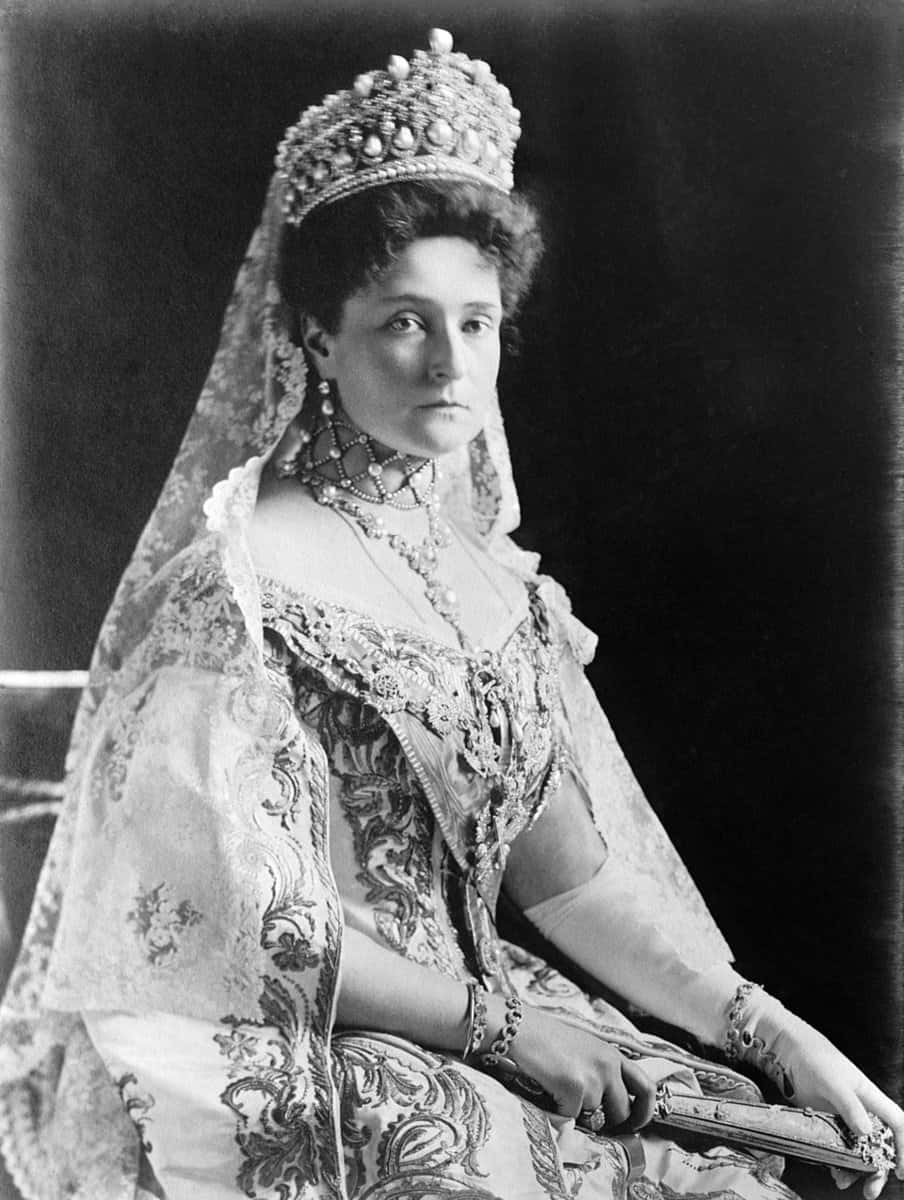
Born in 1872 in Darmstadt, Germany, Alexandra was originally Princess Alix of Hesse and by Rhine.
She grew up in a world of privilege but also strict rules, where duty, decorum, and religious devotion shaped daily life.
From a young age, she displayed a deep sense of piety and a strong attachment to her family, especially her grandmother, Queen Victoria of England.
These influences prepared her for the pressures of royal life, but they could not shield her from the challenges she would face in Russia.
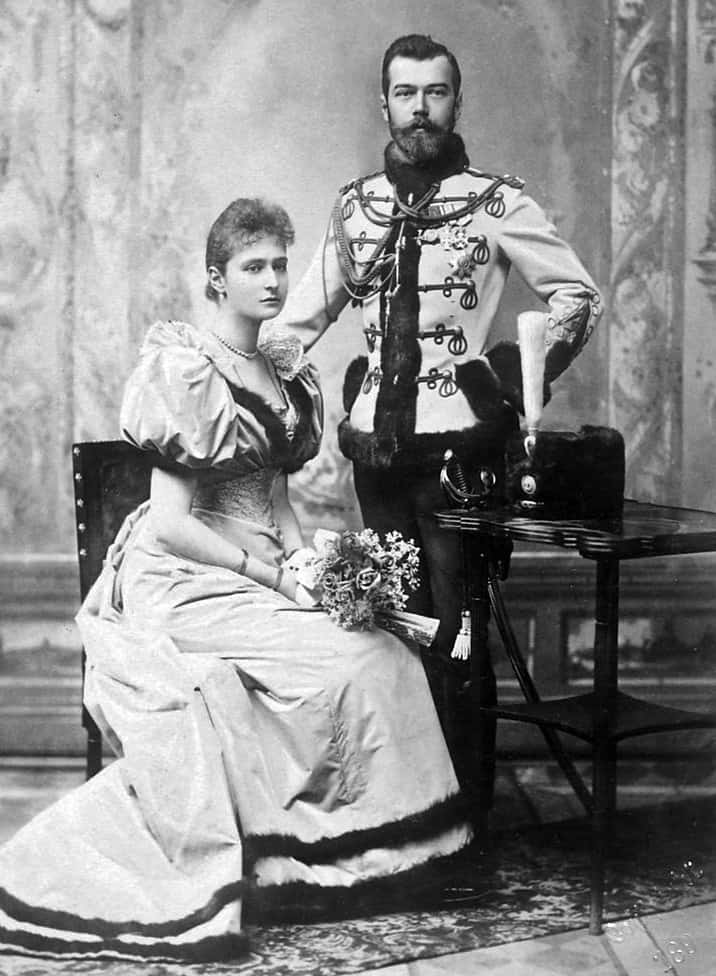
Alexandra married Nicholas II in 1894, becoming Empress of Russia. Her German background, however, made her unpopular among many Russian nobles and commoners.
She was often criticized for her influence over Nicholas and her involvement in political matters, which many blamed for Russia’s difficulties.
Despite public opinion, Alexandra remained devoted to her family and her religious faith. She immersed herself in caring for her children and managing her household.
But her life was increasingly overshadowed by the political unrest and personal tragedies that would define her later years.
The Tragedy of the Romanovs
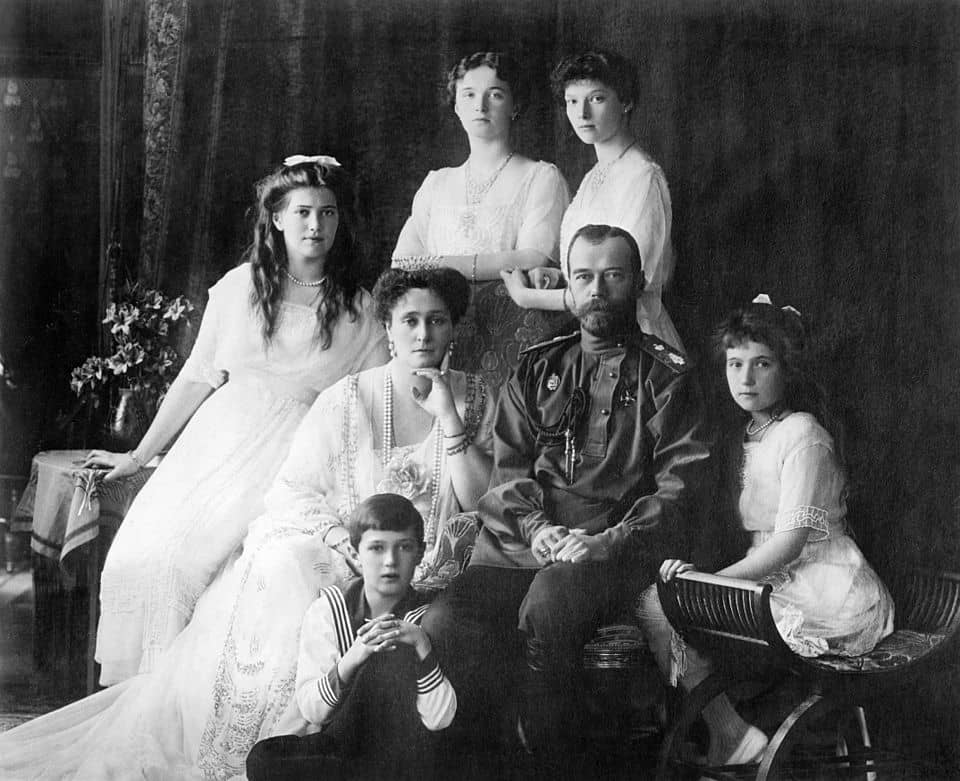
Alexandra’s life in Russia was marked by a series of tragedies that intensified the aura of mystery surrounding her.
She gave birth to five children, including the famous heir, Alexei, who suffered from hemophilia.
The tsarina devoted herself to her son’s care, often consulting mystics and healers to find remedies for his condition.
One of the most infamous figures she turned to was Grigori Rasputin, a mystic and advisor who seemed to ease Alexei’s suffering.
While Rasputin’s influence caused scandal and suspicion, it also deepened Alexandra’s image as a mother desperate to protect her family.
The outbreak of World War I and the Russian Revolution brought even greater hardships. The Romanov family faced political upheaval, famine, and growing unrest among the population.
By 1917, Nicholas was forced to abdicate the throne, and Alexandra, along with her family, was placed under house arrest.
Their captivity was marked by fear, uncertainty, and the constant presence of armed guards. In 1918, the entire family was executed by Bolshevik forces in Yekaterinburg.
This violent and untimely death created the conditions for the haunting stories that would follow, as people could not easily separate the tragedy of their lives from the grandeur of the palaces they once inhabited.
Ghosts and Hauntings in Russian Palaces

Over the decades, numerous reports have surfaced claiming that Alexandra’s spirit haunts several Russian palaces.
The Winter Palace in St. Petersburg, the former residence of the tsars, is the most famous site for these sightings.
Visitors often describe hearing footsteps in empty corridors, seeing a woman in royal attire appearing and disappearing, or feeling sudden chills in rooms once frequented by the tsarina.
Some accounts even suggest that her ghost appears near the areas where the Romanov family prepared for official ceremonies or private family moments.
Palace staff and historians alike have noted that these hauntings often coincide with events or anniversaries related to the Romanovs.
Some believe that Alexandra’s spirit is drawn to the places she loved and where she spent the most meaningful moments of her life.
Others argue that the intensity of her tragic story, her devotion to her family, the loss of her children, and her violent death have left an emotional imprint that cannot rest.
These ghost stories combine history, mystery, and a human fascination with the past, keeping Alexandra’s presence alive in the imagination of Russians and visitors from around the world.
Legends, Mysticism, and Alexandra’s Legacy
Alexandra’s connection to mysticism during her life also adds to the intrigue of her ghostly reputation.
Her reliance on Rasputin and her deep religious faith created an image of a woman who believed in forces beyond the ordinary.
Legends suggest that her spirit carries this mystical aura, appearing at times of personal reflection or in moments tied to her religious devotion.
Some claim she appears silently, watching over former royal rooms or gardens, while others say she manifests near relics and artifacts connected to the Romanovs.
Beyond her ghostly reputation, Alexandra’s life has had a lasting cultural impact. She appears in books, films, and plays that explore the Romanovs’ tragic story.
Her image as a devoted mother, controversial empress, and mysterious figure has made her a symbol of both imperial Russia and the human cost of history.
The haunted stories serve as a bridge between historical fact and folklore, preserving the memory of a life marked by devotion, scandal, and loss.
They remind us that even in the grandeur of palaces, human suffering can leave echoes that linger for generations.
The story of Alexandra Feodorovna continues to fascinate because it combines history, tragedy, and mystery.
Her life as a German princess turned Russian tsarina was full of challenges, devotion, and heartbreak.
The violent end of the Romanov family, the scandals surrounding her influence, and her mystical associations created the perfect ingredients for haunting tales.
Alexandra’s presence, whether real or imagined, continues to captivate and intrigue, keeping the memory of the last tsarina alive for generations.

I always felt a strong connection to the Divine since my birth. As an author and mentor, my mission is to help others find love, happiness, and inner strength in the darkest of times.