

History is full of laws that seem ridiculous, unfair, or completely unbelievable today.
While some were created for public safety or morality, others reflect outdated beliefs, superstitions, or attempts to control behavior in ways that now seem absurd.
Many of these laws caused confusion, frustration, or even amusement among the people who lived under them.
They show how society, culture, and politics can lead to rules that might seem bizarre to modern eyes.
Learning about these strange historical laws helps us understand the quirks of past civilizations and reminds us that not everything written into law makes sense. Here are ten truly strange laws from history.
1. In Ancient Rome, It Was Illegal to Cry at Funerals

In Ancient Rome, laws regulated behavior even at funerals. Citizens were forbidden from crying excessively during burial ceremonies.
Authorities believed that dramatic displays of grief were disruptive and could incite social unrest.
Public mourning had to follow strict rules, including appropriate attire, gestures, and speech. Those caught exaggerating their sorrow could face fines or social penalties.
The law was designed to maintain order, but it seems unbelievable today that showing emotion could be punishable.
This law reflects how Roman society valued discipline, control, and decorum, even in deeply personal and emotional situations.
2. In Medieval England, Women Could Not Wear Certain Colors

During certain periods in Medieval England, laws dictated what women could wear based on their social status.
Some colors, like purple or gold, were reserved for royalty. Ordinary women were prohibited from wearing these shades under threat of fines or social punishment.
The reasoning was to maintain clear social hierarchies and prevent people from appearing wealthier or more influential than they were.
Today, the idea that clothing colors could be restricted by law seems absurd.
However, in the past, such regulations reinforced the strict social order and visual distinctions between classes in society.
3. In 17th-century Japan, People Could Be Executed for Smiling

During the Edo period in Japan, there were strict laws regulating public conduct.
In some regions, excessive smiling or laughing in inappropriate situations could be punished severely.
Authorities believed that showing frivolity or disrespect in public indicated poor moral character or disobedience.
While rare, the law reflects the extreme focus on social order, respect, and etiquette in Japanese society at the time.
Today, the idea of being executed for smiling seems shocking and ridiculous. It highlights the lengths to which governments in history have gone to control human behavior.
4. In Colonial Massachusetts, Adultery Was Punishable by Death

In the 1600s, colonial Massachusetts had strict Puritan laws regarding sexual morality. Adultery was considered a severe crime against both God and society.
People caught committing adultery could face execution, usually by hanging.
The punishments were intended to enforce moral behavior and maintain social order within tightly knit communities.
While today adultery might lead to divorce or social consequences, it is no longer a capital offense.
The harshness of this law highlights the intense religious influence over early colonial life and the extreme measures taken to uphold perceived moral standards.
5. In Venice, It Was Illegal to Die Without a Permit
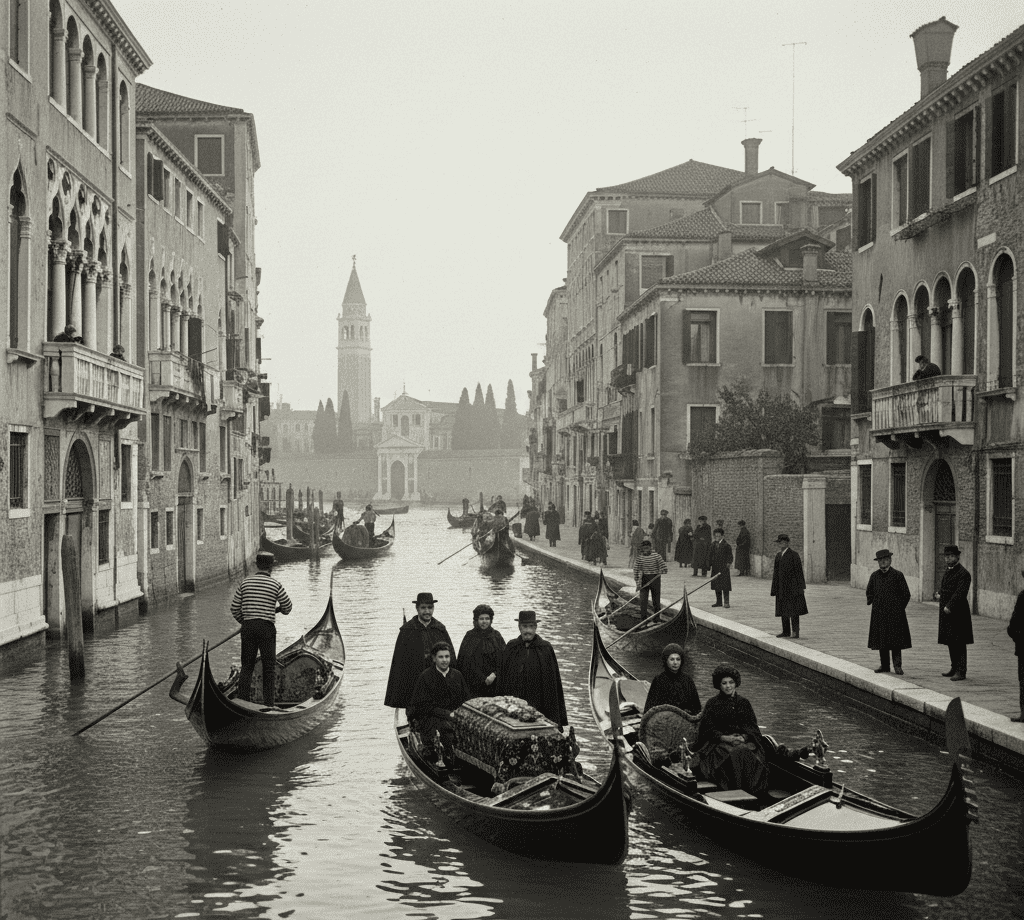
During certain periods in Venice, the city’s government imposed laws requiring citizens to obtain permission before dying.
The rule was designed to prevent overcrowding and manage public health. Cemeteries were limited, and officials needed to ensure proper burial procedures were followed.
While the law seems impossible and bizarre today, it reflects the practical challenges of managing dense urban populations and controlling disease in the past.
Modern readers may laugh at the idea, but it demonstrates how authorities once attempted to regulate even the most natural aspects of human life.
6. In Ancient Greece, It Was Illegal to Wear Purple if You Were Not Royal

In ancient Greece, purple clothing was restricted to royalty and certain high-ranking officials.
The dye used to create purple garments was extremely rare and expensive.
Laws were enacted to prevent ordinary citizens from wearing it, as it symbolized power, wealth, and divine favor.
Violating this rule could result in fines, confiscation, or other penalties. Today, it seems strange to punish someone for wearing a specific color.
In the past, however, these regulations reinforced social hierarchy, displaying rank and privilege through visual cues.
7. In France, It Was Illegal to Name a Pig Napoleon

During Napoleon Bonaparte’s reign and afterward, France enacted laws protecting the emperor’s dignity.
One law forbade citizens from naming animals, especially pigs, after Napoleon.
Violating this could result in fines or imprisonment. The law was intended to prevent ridicule and maintain respect for leadership.
Today, the idea that a person could be punished for what they call their pet seems absurd.
However, it reflects how seriously governments took honor, reputation, and political authority in history.
8. In 19th-century England, It Was Illegal to Wear Armor in Parliament
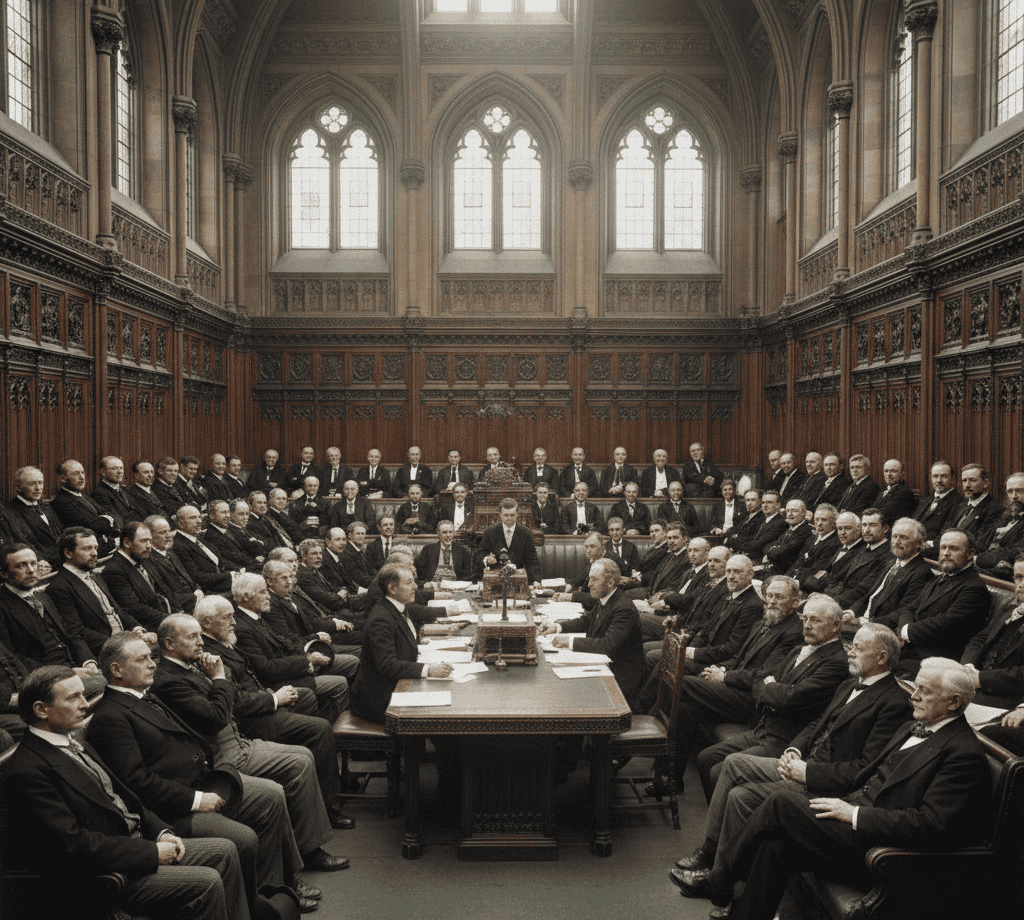
During the 1800s, English law prohibited individuals from wearing armor inside Parliament.
The rule was intended to prevent intimidation, threats, or violent behavior during political debates.
While armor was rarely worn in the 19th century, the law remained on the books for centuries.
Today, it seems absurd that armor would need to be regulated in a government building.
However, at the time, it served a purpose: ensuring order and reducing potential danger during legislative proceedings.
9. In the Ottoman Empire, Coffee Houses Were Banned

At various points in the Ottoman Empire, coffee houses were banned or heavily regulated.
Authorities feared that these establishments encouraged political discussions, social unrest, and rebellious plotting.
People meeting in coffee houses were thought to exchange dangerous ideas and challenge the government.
Coffee itself was associated with stimulants that could provoke behavior deemed inappropriate.
While coffee is now considered harmless and popular worldwide, these laws show how governments once tried to control social spaces and influence public behavior through restrictions on seemingly ordinary activities.
10. In the United States, It Was Once Illegal to Carry an Ice Cream Cone in Your Back Pocket

In some parts of the United States during the 19th century, laws prohibited carrying ice cream cones in one’s back pocket.
The rule was intended to prevent horse theft, as people sometimes used this method to lure horses away without paying.
While it seems bizarre today, the law reflects the practical concerns of rural communities at the time.
These strange regulations reveal how creative lawmakers could be when attempting to protect property and prevent crime, even if the rule sounds ridiculous to modern citizens.

I always felt a strong connection to the Divine since my birth. As an author and mentor, my mission is to help others find love, happiness, and inner strength in the darkest of times.