
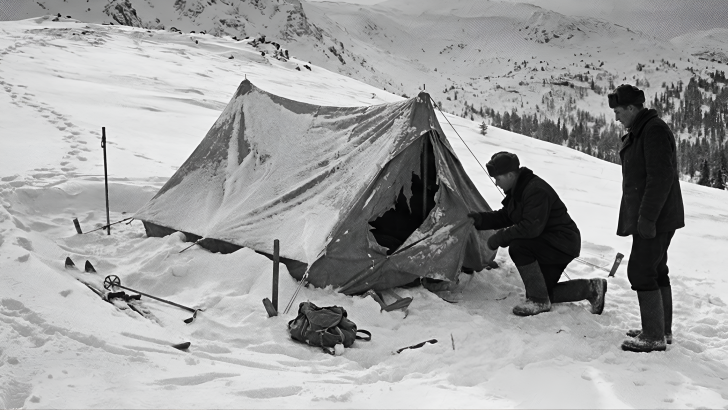
The Dyatlov Pass incident remains one of the most mysterious and chilling events in modern history.
In February 1959, nine experienced hikers led by Igor Dyatlov embarked on a trek through the Ural Mountains in the Soviet Union.
None of them returned alive, and when search teams discovered their campsite weeks later, the scene was shocking and baffling.
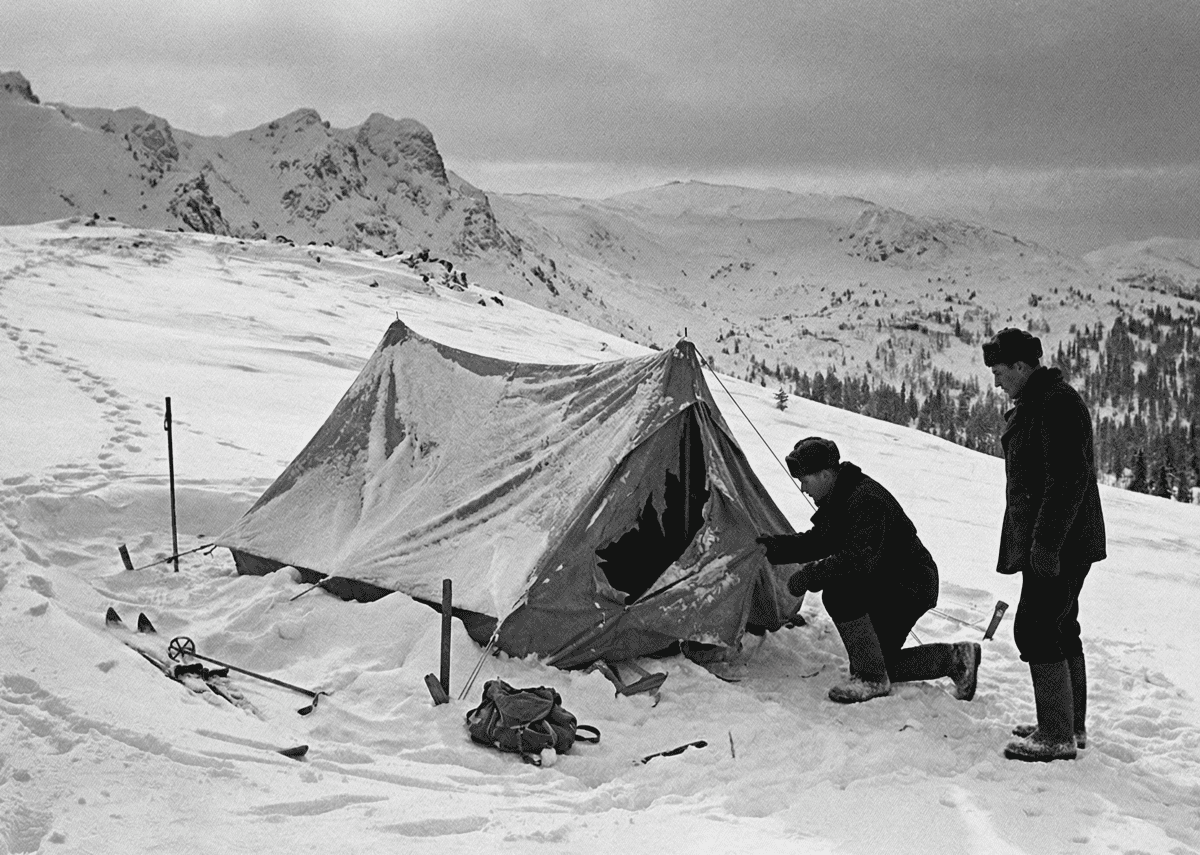
Their tent was cut open from the inside, their belongings left behind, and their bodies found scattered across the snow in various states of injury, some with strange trauma and radiation traces.
Over the decades, numerous theories have attempted to explain what happened, ranging from avalanches and hypothermia to secret military experiments and paranormal activity.
Each explanation has its supporters and detractors, and the lack of definitive evidence keeps the mystery alive.
Here are eight of the most widely discussed theories about the Dyatlov Pass incident, examining both conventional and extraordinary possibilities.
1. Avalanche Theory
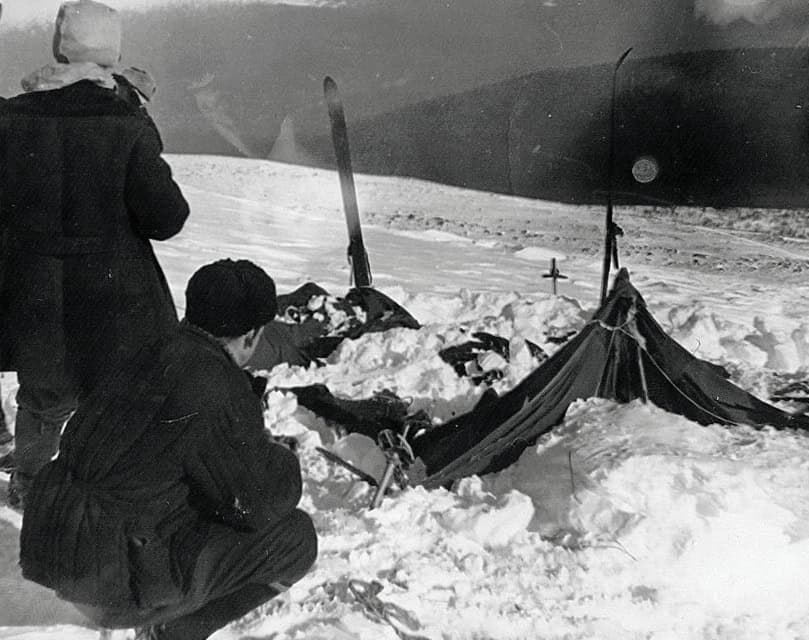
One of the most conventional explanations is that an avalanche caused the hikers’ deaths.
Advocates of this theory argue that heavy snowfall and unstable slopes in the area could have triggered a sudden slide.
The hikers may have tried to escape the falling snow in a panic, cutting open their tent to flee into the blizzard.
However, critics point out inconsistencies, such as the lack of extensive damage to the campsite and the presence of severe injuries in some hikers that seemed unlikely to be caused by an avalanche alone.
Additionally, the slope where the tent was located was relatively gentle, raising questions about whether a slide of sufficient force could occur.
Despite these challenges, avalanches remain a plausible explanation, especially when combined with panic and hypothermia, suggesting that natural forces could have contributed to the disaster.
2. Katabatic Winds
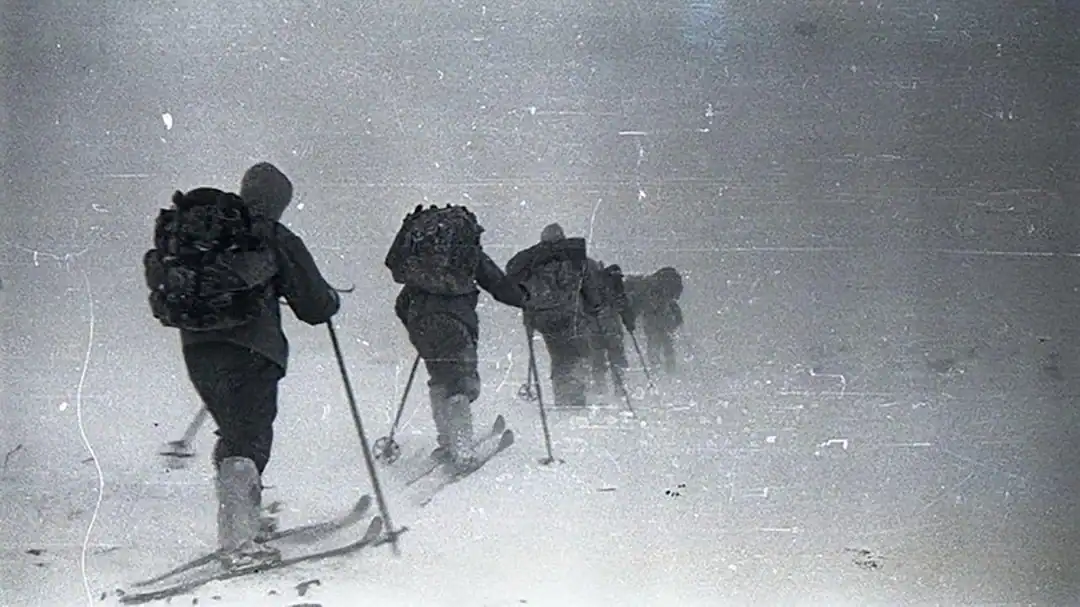
Another natural explanation involves katabatic winds, which are sudden, extremely powerful gusts that can sweep down mountain slopes.
These winds can cause disorientation, hypothermia, and panic, forcing people to abandon shelters in extreme conditions.
In the Dyatlov Pass case, a violent gust could have overwhelmed the hikers’ tent, prompting them to cut it open and flee into the freezing temperatures.
Katabatic winds are capable of producing unexpected snow drifts and rapid temperature changes, making survival extremely difficult without proper protection.
Proponents of this theory highlight that some injuries, including bruising and frostbite, could result from exposure and falls during panic.
While this explanation does not account for every mysterious detail, such as certain internal injuries and radiation traces, it provides a plausible natural cause for why the hikers acted so irrationally and left the tent in such a frantic state.
3. Military Tests
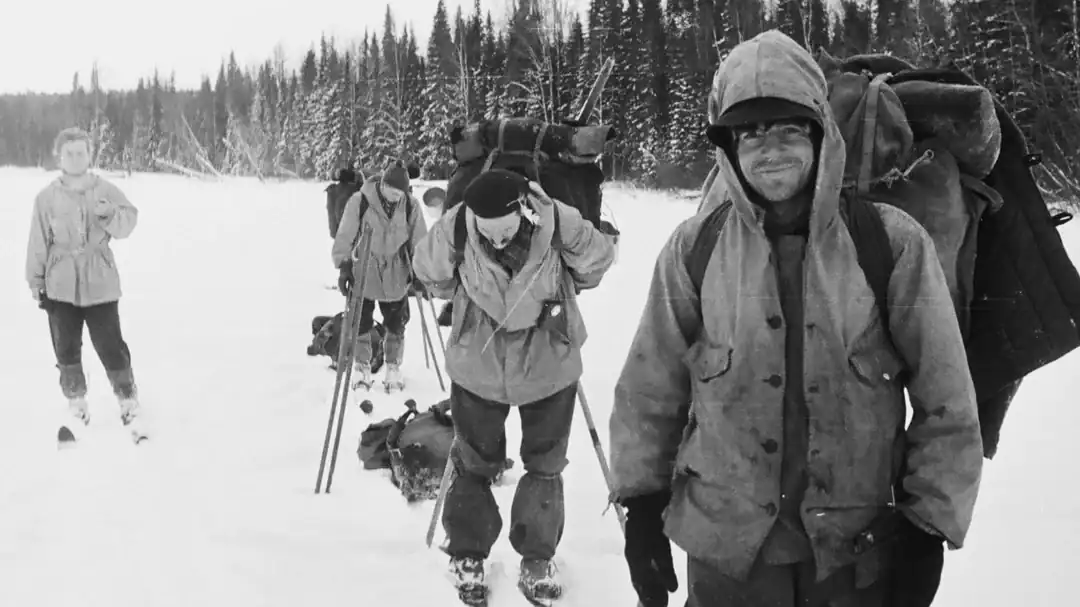
A widely discussed theory suggests that secret military tests or experiments were responsible for the deaths.
Some researchers believe the hikers may have inadvertently entered a restricted zone used for missile or weapons testing, leading to injuries from explosions or exposure to hazardous materials.
Witness reports of strange lights in the sky before the incident lend some credibility to this idea.
Proponents argue that the unusual trauma, including skull fractures and chest injuries, could result from a shockwave or blast.
Critics, however, note that there is no definitive proof of military involvement, and official records are limited.
Nonetheless, the theory persists because it explains some of the anomalous injuries and radiation traces while aligning with the Soviet Union’s secretive military operations during that period.
4. Infrasound-Induced Panic

Some researchers have proposed that infrasound, or low-frequency sound waves produced by wind interacting with the mountains, could have caused extreme panic among the hikers.
Infrasound can induce feelings of terror, nausea, and irrational behavior even when there is no visible threat.
According to this theory, a combination of natural winds and terrain may have created these inaudible frequencies, leading the hikers to flee their tent in a state of confusion and fear.
While infrasound does not explain all physical injuries, it provides a psychological explanation for the seemingly inexplicable behavior of experienced hikers who would otherwise have remained calm in harsh conditions.
5. Animal Attack

Some have speculated that an animal attack caused the hikers to abandon their tent. Proponents suggest that wolves or bears may have approached the campsite, prompting panic.
The hikers could have attempted to flee in different directions, resulting in separation and exposure to the harsh elements.
While animal attacks can explain fear-induced behavior and certain injuries, evidence at the site does not strongly support this theory.
There were no signs of struggle typical of predator attacks, and some injuries, such as fractured skulls and internal trauma, could not easily be attributed to animals.
Nevertheless, the possibility of wildlife playing a minor role in creating initial panic cannot be entirely ruled out.
6. Paradoxical Undressing Due to Hypothermia
Medical experts have considered paradoxical undressing, a phenomenon that occurs during severe hypothermia, as a factor.
When the body temperature drops dangerously low, victims may remove clothing due to a sensation of burning heat, despite freezing surroundings.
This could explain why some hikers were found partially clothed or inappropriately dressed for the extreme cold.
Hypothermia also leads to disorientation, poor decision-making, and loss of coordination, which may have contributed to falls and injuries in the snow.
This theory does not account for all strange injuries or the tent being cut from the inside, but it provides a credible explanation for why some victims left the relative shelter of their tent in freezing conditions.
7. Secret Paranormal or UFO Involvement

A more speculative theory claims that extraterrestrial or paranormal forces played a role.
Witness reports of strange lights and unidentified flying objects in the area have fueled ideas that the hikers encountered a UFO or otherworldly phenomenon.
Supporters argue that unusual injuries, radiation traces, and seemingly irrational flight from the tent could result from interaction with unknown forces.
Critics dismiss this theory due to a lack of empirical evidence, pointing out that it relies heavily on anecdotal reports and imagination.
Nevertheless, paranormal explanations remain popular in popular culture and highlight the enduring fascination with the Dyatlov Pass incident.
8. Combination of Factors

Many modern researchers suggest that no single explanation accounts for all aspects of the Dyatlov Pass incident.
Instead, a combination of natural and human factors may have contributed. Avalanches, sudden winds, hypothermia, and psychological stress could have combined to create panic, leading to hasty flight from the tent.
Injuries could have resulted from falls, collisions, or secondary accidents, while unusual conditions like radiation traces or weather effects added layers of mystery.
This approach acknowledges the complexity of the situation and avoids the need for extreme or conspiratorial explanations.
By considering multiple interacting causes, the combination theory provides a framework for understanding how a series of unfortunate events could escalate into one of the most mystical tragedies of the 20th century.

I always felt a strong connection to the Divine since my birth. As an author and mentor, my mission is to help others find love, happiness, and inner strength in the darkest of times.