
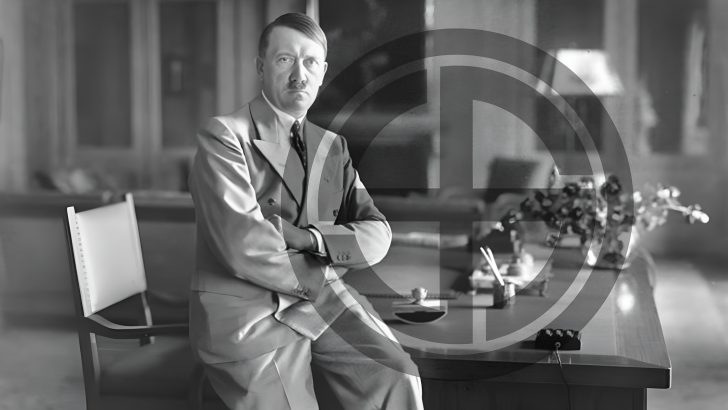
The Thule Society was a secretive group that existed in Germany after World War One.
It was not a political party at first, but a mix of nationalist thinking, racial ideas, mythology, and occult beliefs.
The group was founded in Munich and attracted people who believed Germany had lost its greatness and needed to return to an ancient, powerful past.
While the Thule Society was small, its ideas influenced early Nazi leaders in important ways. Some members later joined or supported the Nazi Party.
Others helped shape the thinking, symbols, and myths that became part of Nazi ideology.
Understanding the Thule Society helps explain how extreme ideas slowly moved from secret meetings into public politics.
1. It Promoted the Idea of a Pure Aryan Race
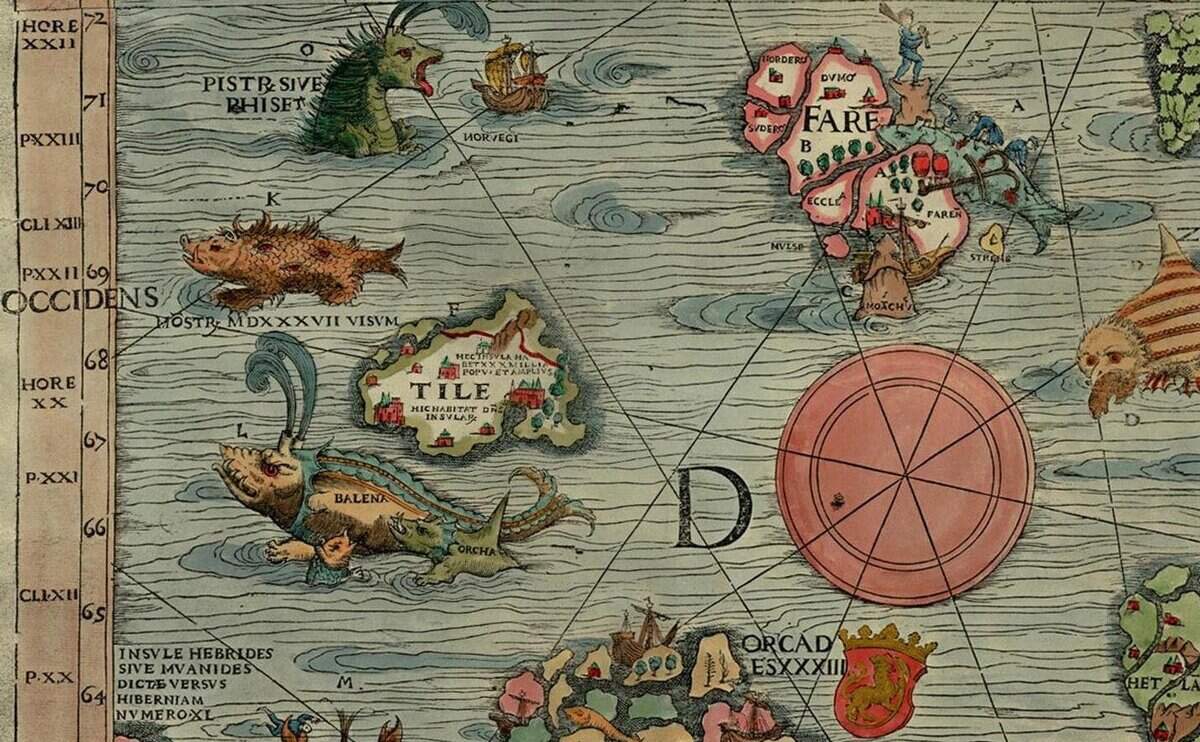
One of the strongest beliefs of the Thule Society was the idea of a pure Aryan race.
Members believed that ancient Germans came from a powerful northern homeland and were superior to other groups.
This belief was not based on science but on myths, false history, and racial theories.
Early Nazi leaders were exposed to these ideas in meetings, writings, and conversations linked to the Thule Society.
Over time, the idea of racial purity became a central part of Nazi thinking. The belief that some people were superior while others were dangerous or inferior shaped many later policies.
The Thule Society helped spread these ideas before the Nazis gained power, making them seem old, meaningful, and tied to destiny rather than modern hatred.
2. It Mixed Mythology With Nationalism
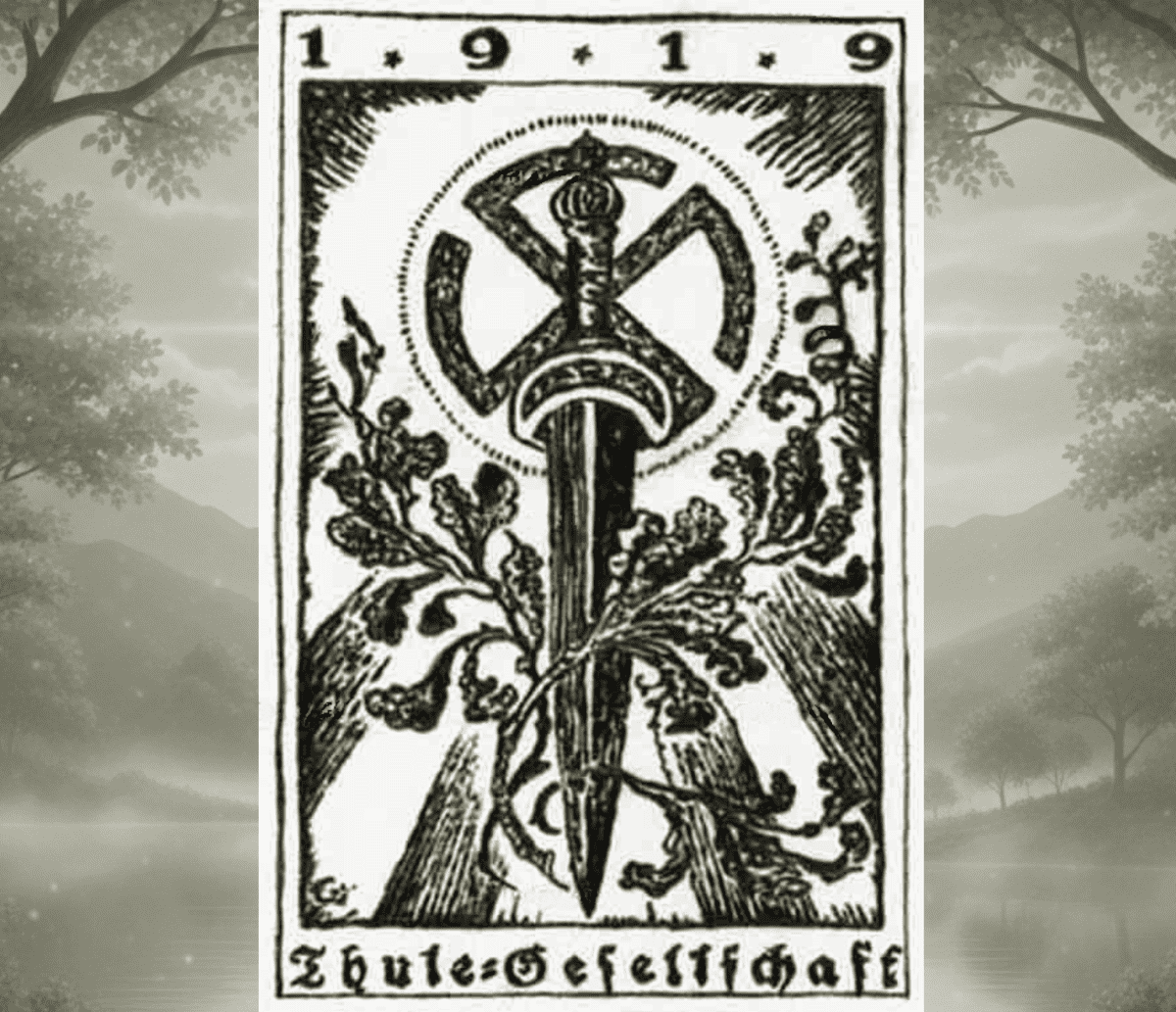
The Thule Society did not rely only on politics. It used ancient myths, legends, and symbols to give emotional power to its beliefs.
Members spoke of lost civilizations, heroic ancestors, and secret knowledge passed down through bloodlines.
This mix of myth and nationalism made their ideas feel spiritual and historic. Early Nazi leaders later used similar language, speaking of destiny, ancient strength, and national rebirth.
These stories helped turn political ideas into emotional beliefs that people felt rather than questioned.
By turning Germany into a mythic story instead of a modern nation, the Thule Society helped create a powerful emotional foundation for Nazi ideology.
3. It Helped Shape Nazi Symbols and Imagery
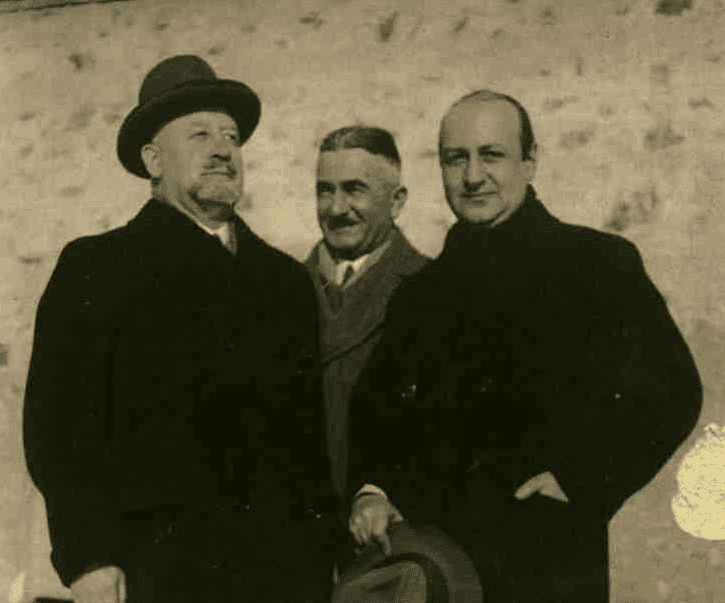
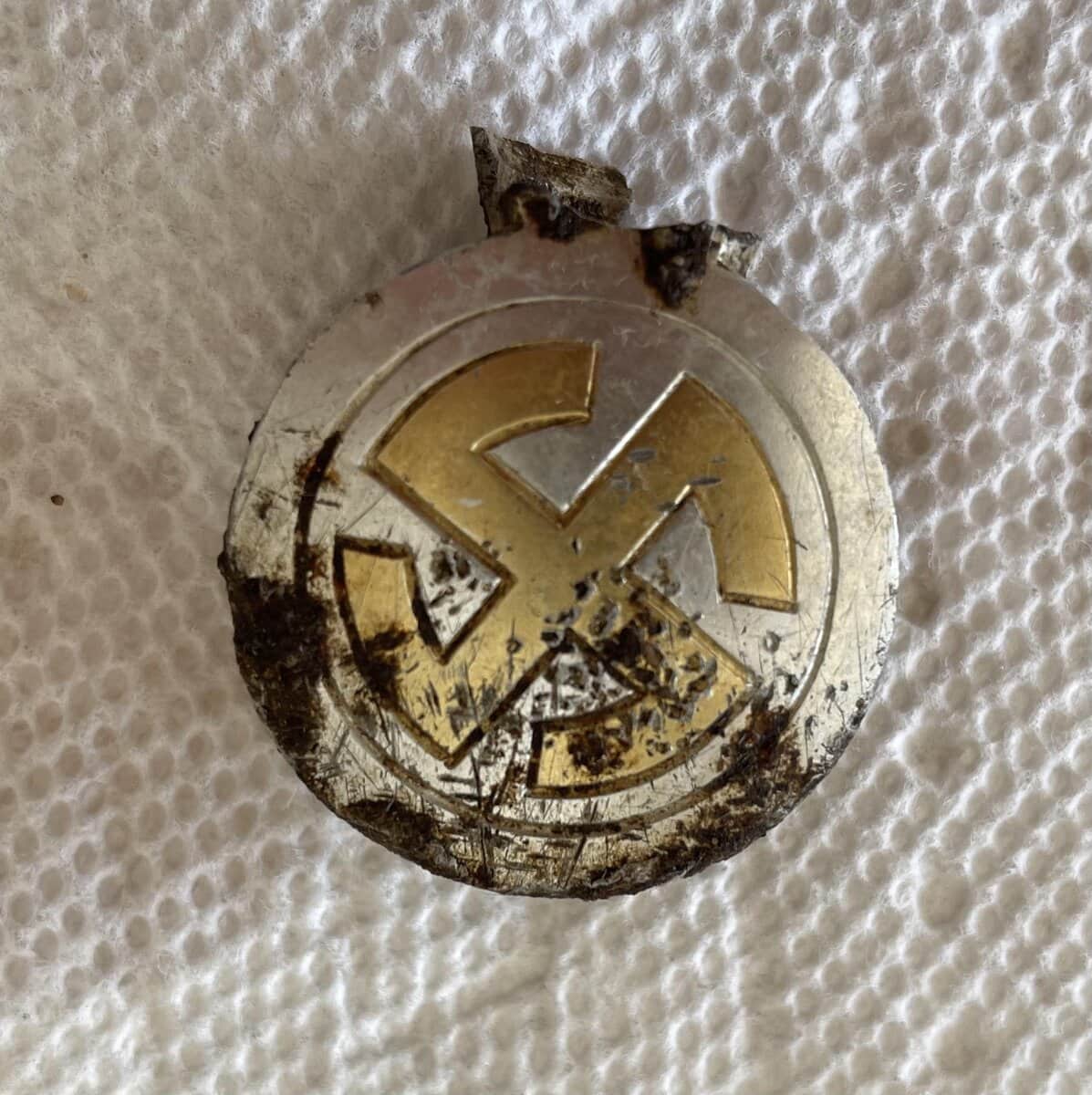
The Thule Society made heavy use of symbols, especially those taken from ancient cultures. The swastika was one of these symbols.
Long before the Nazis used it, the Thule Society believed the swastika represented strength, life, and ancient Aryan power.
When the Nazi Party later adopted the swastika, it already carried emotional meaning for those familiar with Thule ideas.
Symbols were not just decorations, they were tools meant to unite people under shared belief.
Early Nazi leaders understood the power of imagery. The Thule Society helped show how symbols could influence emotions, loyalty, and identity without words.
4. It Supported Early Nazi Political Activity
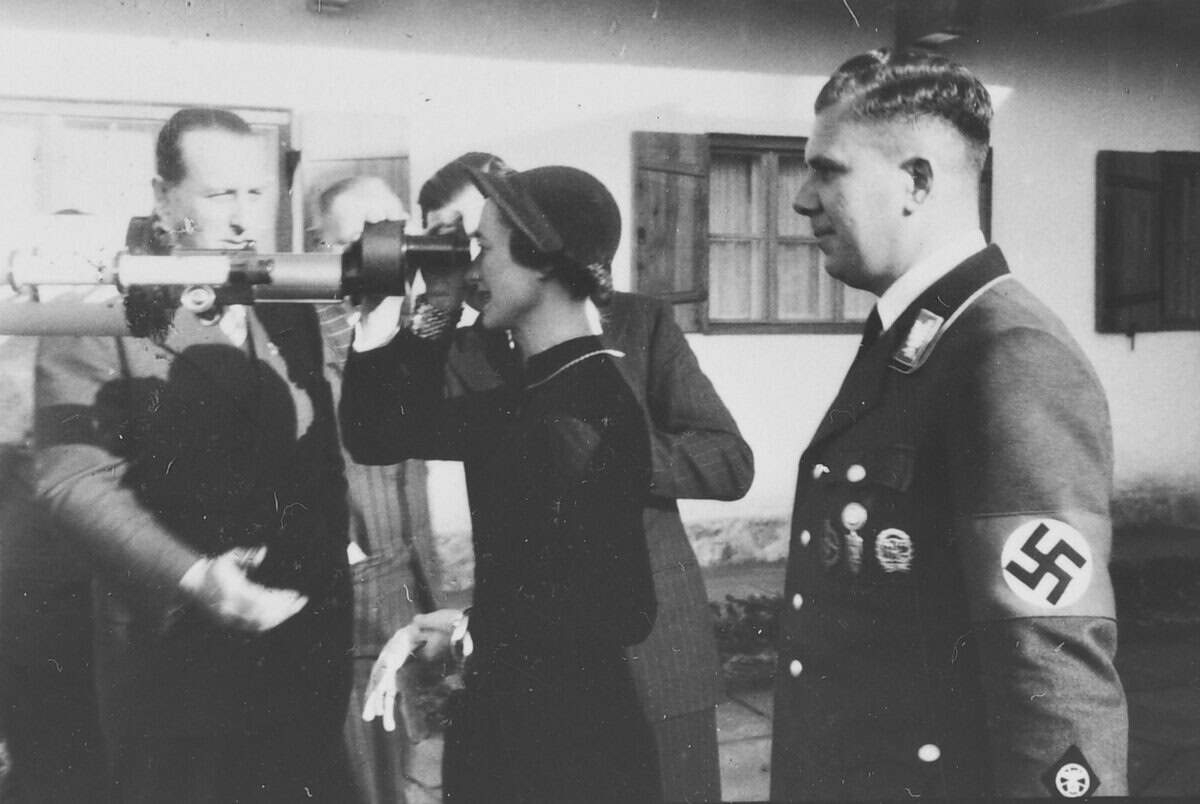
The Thule Society did not remain purely theoretical. Members supported nationalist groups and helped fund early political movements.
Some Thule members were involved in creating the German Workers’ Party, which later became the Nazi Party.
This financial and organizational support gave early Nazi leaders a starting point. Meetings, contacts, and networks created by the Thule Society helped bring people together who shared similar beliefs.
While the Thule Society itself faded over time, its early support helped Nazi leaders gain footing during a period of chaos and uncertainty in Germany.
5. It Encouraged Conspiracy Thinking
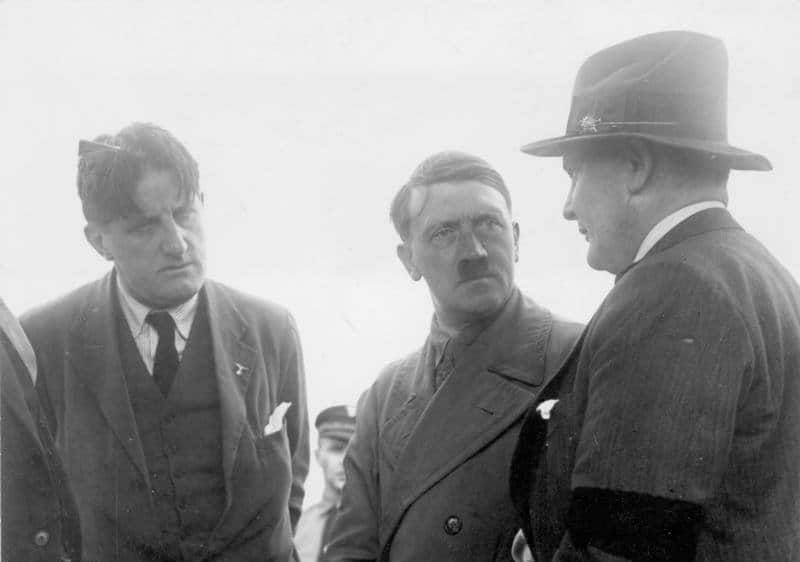
The Thule Society strongly believed that Germany was under attack by hidden enemies.
Members spoke of secret plots, traitors, and corrupt forces working behind the scenes to destroy the nation.
This way of thinking deeply influenced early Nazi leaders. Conspiracy thinking makes complex problems feel simple by blaming specific groups.
Instead of accepting economic hardship or political failure, blame was placed on imagined enemies.
This mindset later became central to Nazi propaganda. The Thule Society helped normalize the idea that violence and control were justified responses to supposed hidden threats.
6. It Blended Occult Ideas With Politics
The Thule Society was interested in astrology, ancient rituals, hidden knowledge, and spiritual power.
While not all Nazi leaders believed in occult practices, some were influenced by the idea that Germany had a special spiritual role.
This blending of occult thinking with politics made ideology feel mysterious and powerful.
It suggested that leaders were chosen by fate, not elections. This belief made obedience easier and doubt harder.
The idea that political leaders were guided by destiny or hidden forces helped remove personal responsibility and justified extreme actions.
7. It Created a Sense of Elite Belonging
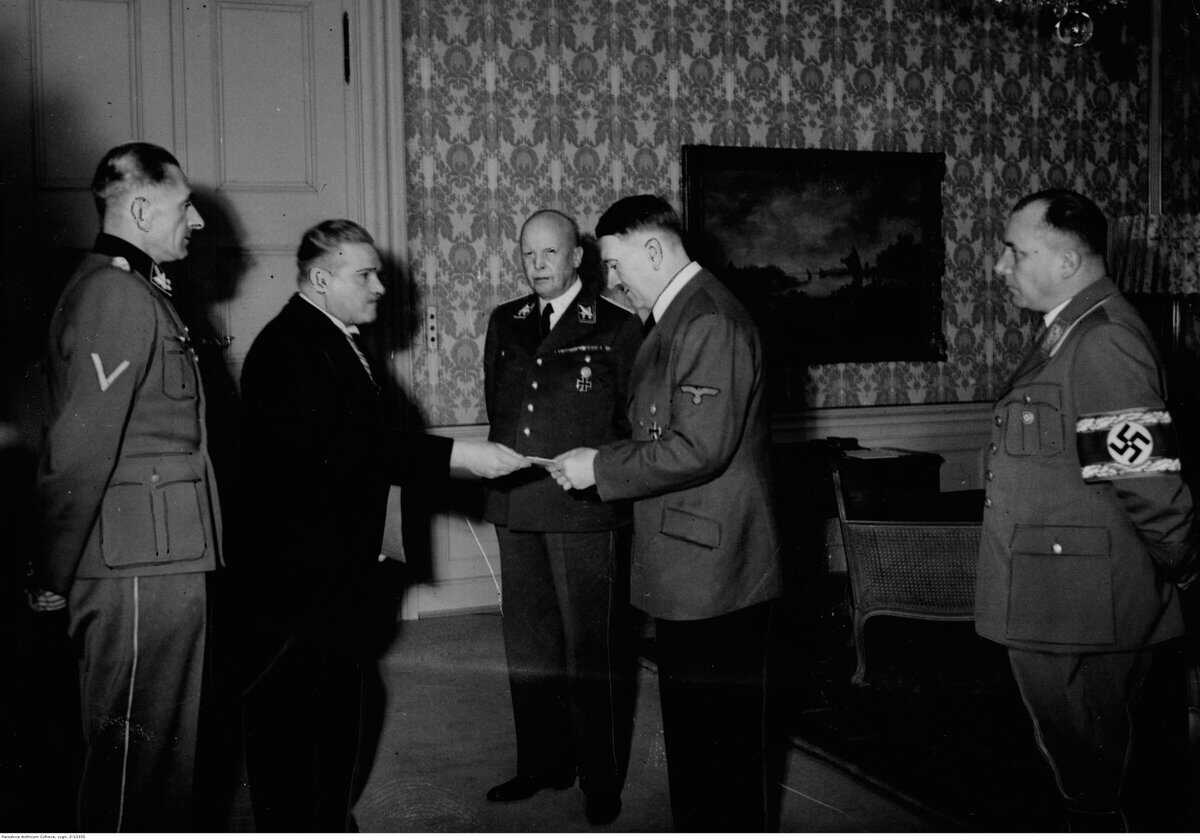
Membership in the Thule Society was limited. This created a feeling of being part of a chosen group with secret knowledge.
Members believed they understood truths that ordinary people could not see.
This sense of elitism influenced early Nazi leadership culture. Leaders saw themselves as superior, destined to rule and guide the masses.
When people believe they are chosen or superior, they are more likely to justify harm toward others. The Thule Society helped plant this mindset early.
8. It Helped Turn Fear Into Ideology
Germany, after World War I, was filled with fear. There was hunger, unemployment, anger, and loss of identity.
The Thule Society offered simple explanations and powerful stories that turned fear into belief.
Instead of seeing fear as something to heal, it was turned into motivation for control and violence.
Early Nazi leaders learned how fear could be shaped into loyalty, obedience, and hatred.
By giving fear a story, symbols, and enemies, the Thule Society helped turn emotional pain into political ideology.

I always felt a strong connection to the Divine since my birth. As an author and mentor, my mission is to help others find love, happiness, and inner strength in the darkest of times.