
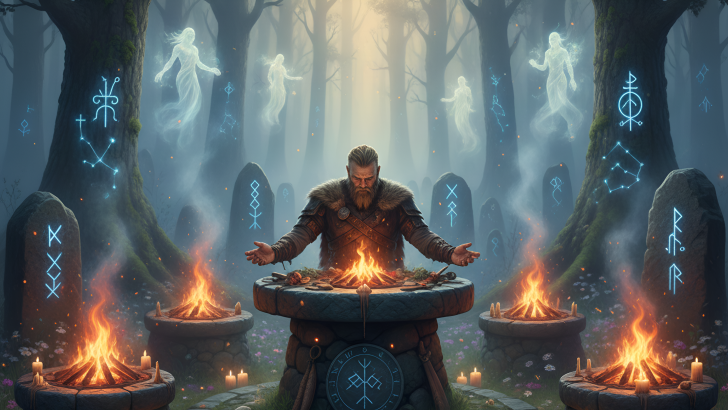
In old Viking culture, offerings were much more than gifts. They were a way to connect with the gods, spirits, and unseen forces that shaped life.
Vikings believed the world was alive with energy, and offering something valuable could bring protection, guidance, or favor.
These offerings were not random. Each item carried symbolic meaning, reflecting respect, gratitude, or hope for the future.
Some were left in forests, rivers, or on altars, while others were given during special ceremonies.
Over time, these practices became part of the spiritual landscape of Norse life, blending everyday survival with sacred intention.
Understanding these traditional offerings gives insight into the Viking mind. They reveal how deeply the Norse people valued connection, balance, and respect for both the human and spiritual worlds.
Below are ten traditional Viking offerings and the symbolic meaning they were believed to carry.
1. Ale and Mead for the Gods

Ale and mead were commonly offered to the gods during festivals and ceremonies. These drinks were not just nourishment; they symbolized hospitality and respect.
By pouring a small amount onto the ground or raising a cup in a toast, Vikings acknowledged the presence of divine forces in their lives.
The act represented sharing abundance and showing gratitude. Ale and mead also symbolized celebration and community.
The offering reminded people that joy and connection were sacred, and that the gods favored those who honored life with pleasure and awareness.
2. Food Offerings for Sustenance and Blessing
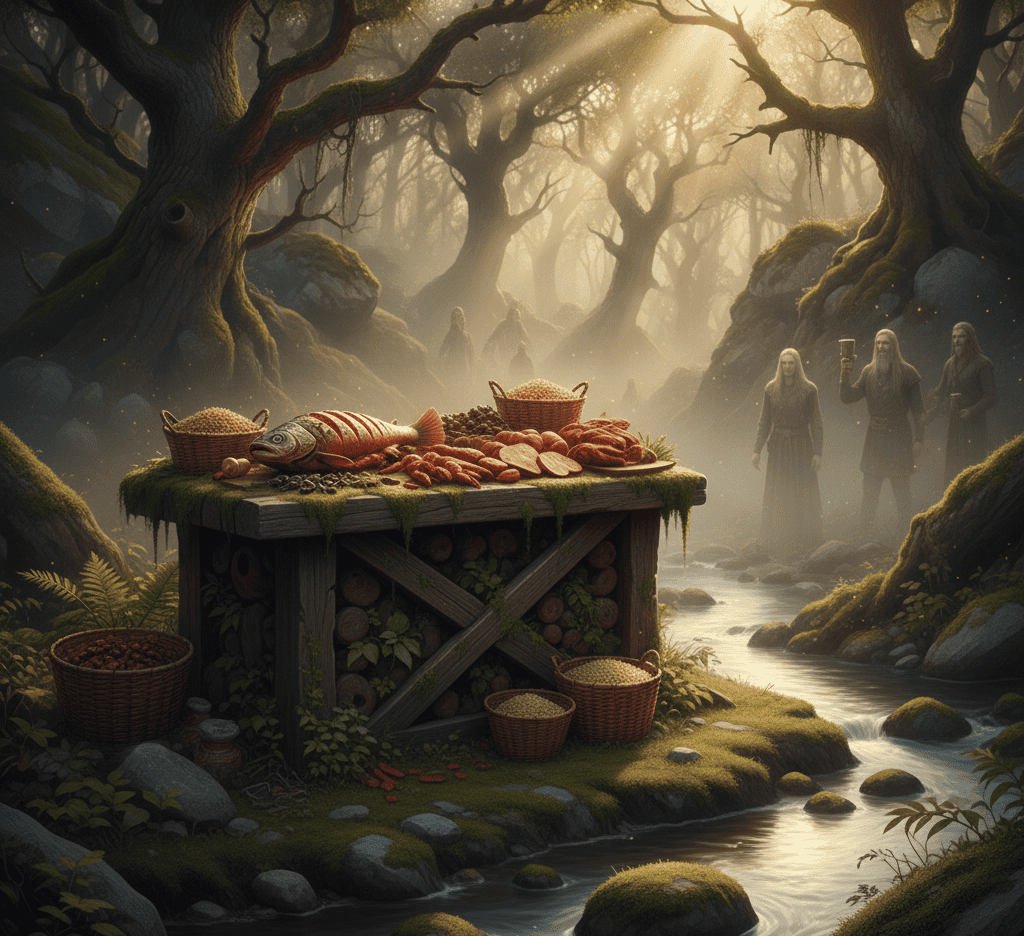
Grains, meat, and fish were often left at altars, near sacred trees, or in running water. Food was a universal offering, representing life itself.
Giving the best portion was seen as a sign of respect. It was believed that these gifts nourished not only the gods but also the spirits of ancestors and local protective beings.
Food offerings symbolized sharing what was valued and asking for protection, guidance, and health in return.
They reminded people that life was sustained by both giving and receiving.
3. Weapons and Armor for Courage
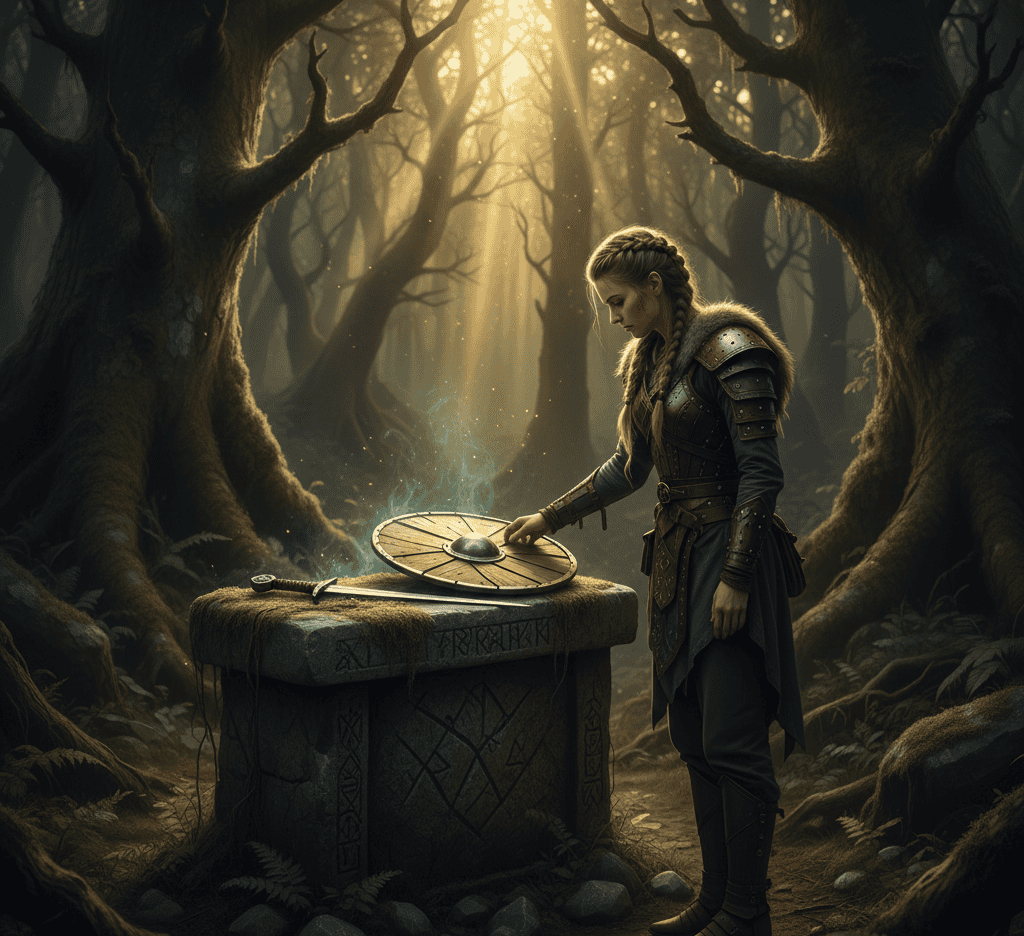
Vikings sometimes offered small weapons or pieces of armor to honor the gods of war or courage. These items were more than tools for battle.
They represented bravery, skill, and readiness to face challenges. Offering a sword or shield symbolized commitment to honor, strength, and protection.
It was a way to show the gods that the giver was prepared to act with courage in their own life. These offerings reminded people that power should be balanced with respect and integrity.
4. Jewelry and Precious Metals for Favor

Gold, silver, and finely crafted jewelry were considered sacred gifts. These offerings were made to attract favor, guidance, or protection.
Vikings believed that giving valuable items reflected both wealth and devotion. Jewelry symbolized personal dedication and the willingness to sacrifice something treasured in exchange for spiritual support.
These offerings were often left in sacred places or included in ceremonies to honor deities and ancestors. They were a tangible way to express reverence and connection to higher powers.
5. Livestock and Animals for Prosperity
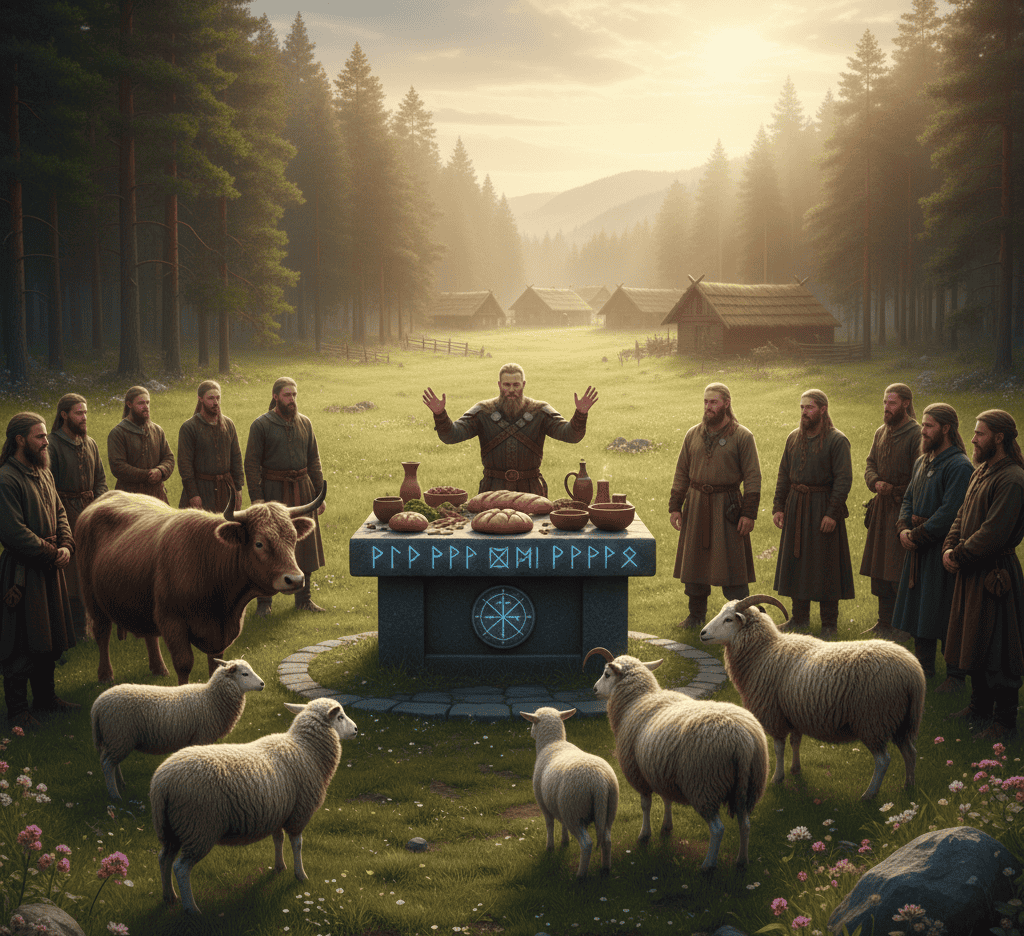
Livestock such as cows, sheep, and goats were offered during important rituals. These animals represented life, strength, and abundance.
Giving livestock symbolized a request for prosperity, fertility, and protection of the community.
It was a powerful form of exchange, demonstrating that the giver was willing to share something essential for survival.
Animal offerings also reflected respect for nature and the cycles of life, acknowledging that all living beings were part of a sacred balance.
6. Carved Symbols and Runes for Guidance

Vikings often carved symbols or runes into wood, stone, or metal and left them as offerings. These markings were believed to hold magical energy.
Each rune or symbol carried a specific meaning, such as protection, wisdom, or victory.
Leaving carved symbols was a way of asking the gods or spirits for guidance and blessing. This practice symbolized intentionality and focus.
The act of carving and offering demonstrated respect for the power of thought and the unseen forces that shape life.
7. Flowers, Herbs, and Plants for Healing
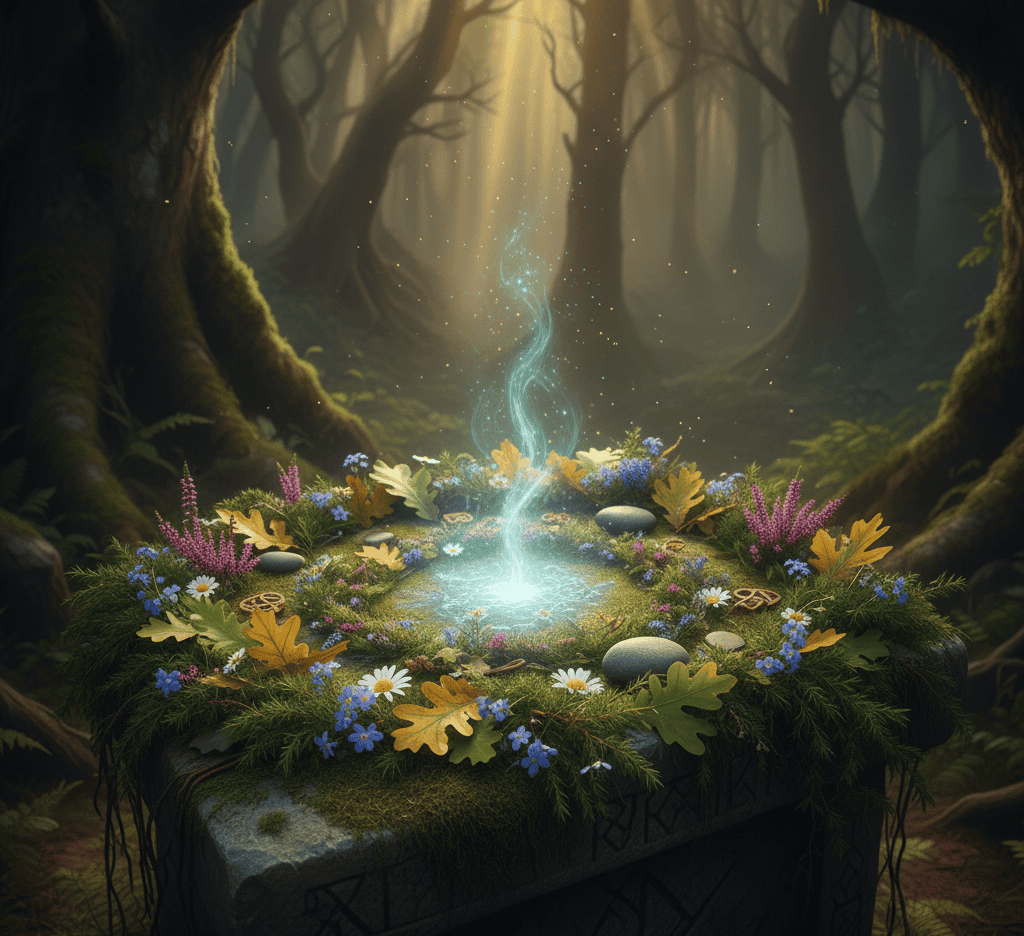
Flowers, herbs, and other plants were common offerings for health and balance. Offering them symbolized a connection to nature and a desire for physical and spiritual healing.
Sacred plants like juniper, oak leaves, and moss were believed to carry protective and restorative energy.
The act reflected the Viking understanding that the natural world was alive with power. Plants were more than decoration; they were messengers of care, protection, and life force.
8. Coins for Good Fortune

Coins were often left at sacred sites, rivers, or stone altars. These offerings symbolized wealth, exchange, and good fortune.
Vikings believed that giving coins could attract blessings in return. The coin represented value, effort, and intention.
Leaving it as an offering demonstrated a willingness to share what was considered precious.
The act carried the idea that generosity creates flow. Giving money was not only practical but spiritual, linking the giver with prosperity and balance in life.
9. Clothing or Textiles for Comfort and Blessing
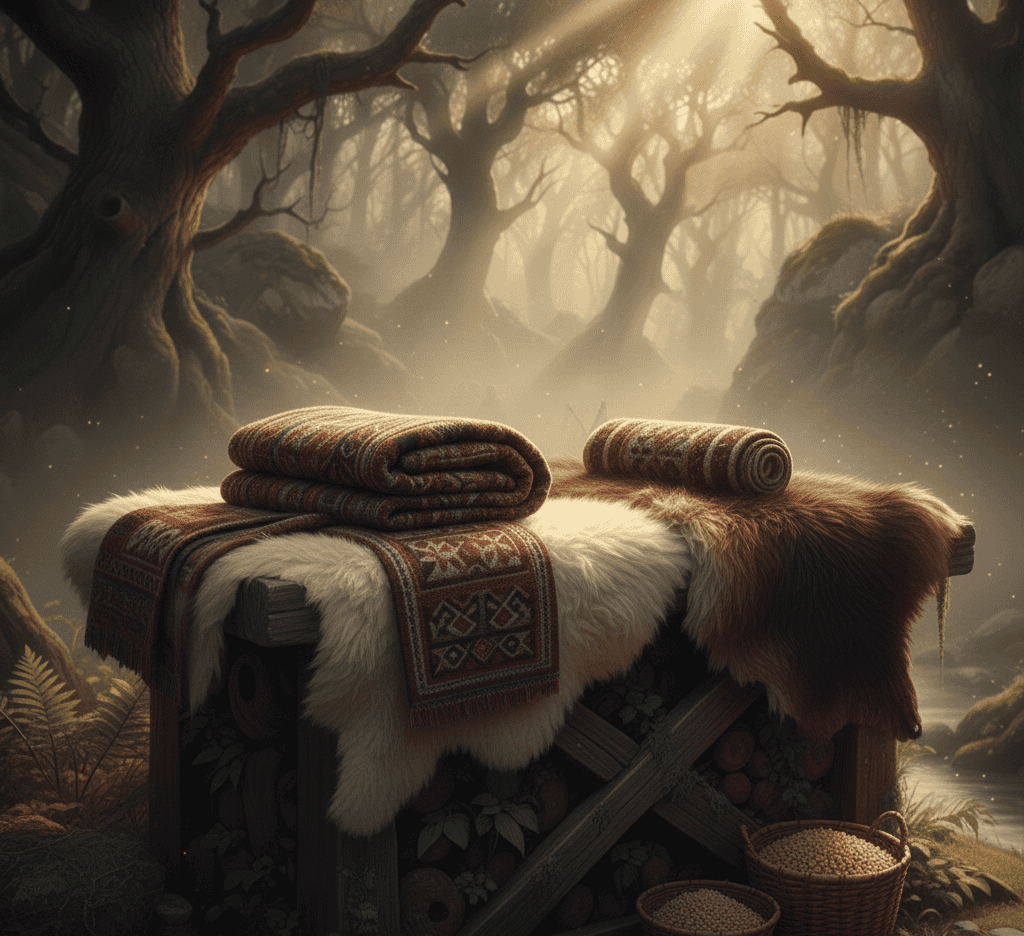
Clothing and woven textiles were sometimes left as offerings, especially in cold regions. These gifts symbolized warmth, care, and respect.
They were believed to provide comfort to spirits, ancestors, or gods, and to bring blessings of protection and well-being to the giver.
The act of giving something worn close to the body added a personal and heartfelt layer of intention.
Textiles represented thoughtfulness and the desire to honor unseen forces with items that were both practical and meaningful.
10. Symbolic Gestures and Acts of Devotion

Not all offerings were material. Many Vikings honored the gods through gestures, songs, or prayers.
Lighting fires, raising banners, or performing ritual dances were all forms of offering. These acts symbolized devotion, focus, and the willingness to connect with the sacred.
They reminded people that the most important offering was often the energy and intention behind it.
Through acts of devotion, Vikings expressed respect, gratitude, and the desire to align their lives with higher principles.

I always felt a strong connection to the Divine since my birth. As an author and mentor, my mission is to help others find love, happiness, and inner strength in the darkest of times.