
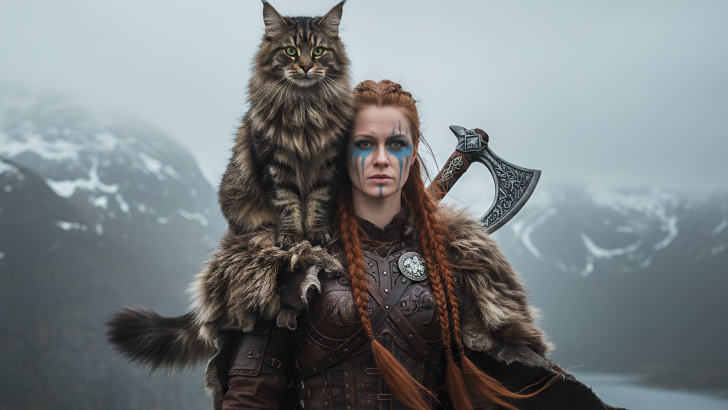
Vikings are often remembered for their fierce warriors, massive ships, and long raids across Europe, but life in the Viking Age was more than just battle.
Everyday life required practical skills, clever thinking, and a little help from animals, especially cats.
Far from being just cute pets, cats held an important place in Viking homes, farms, and even ships.
The following nine reasons explain why these agile and clever animals earned such respect in Norse society.
1. Cats Were Sacred to the Goddess Freyja
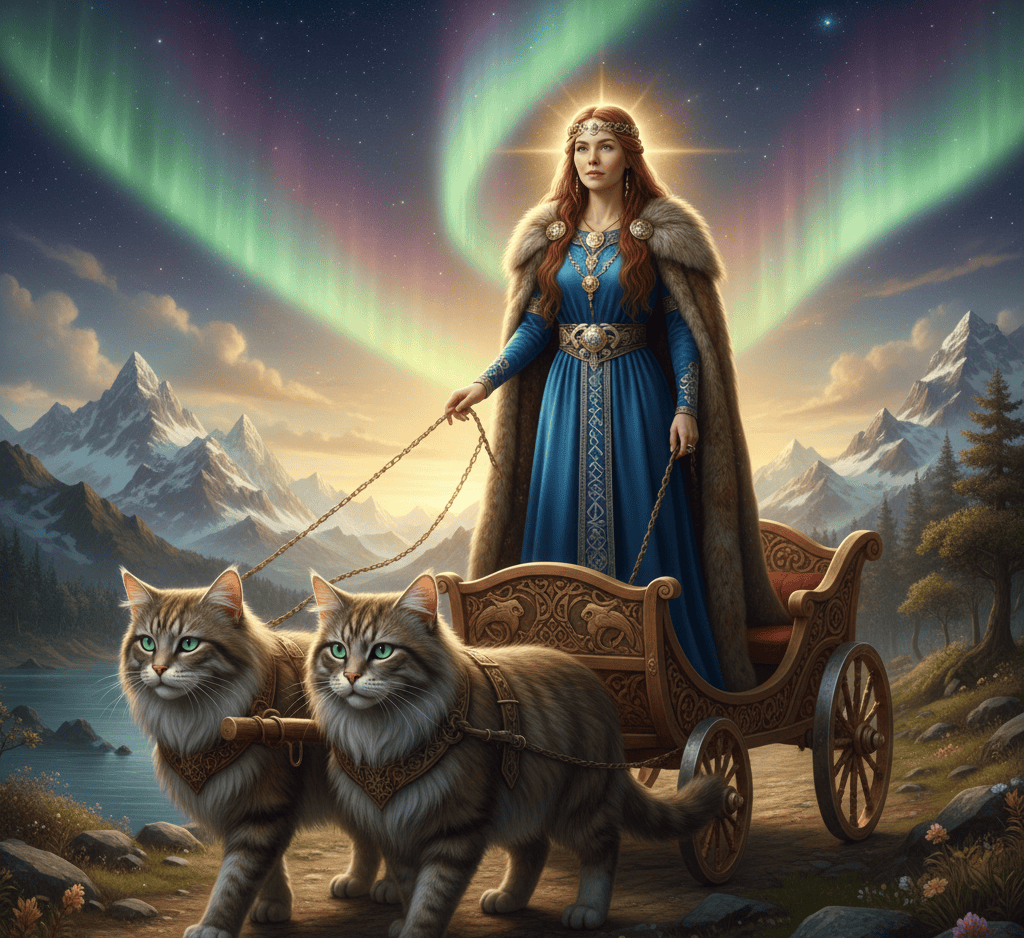
In Norse mythology, cats were closely connected to Freyja, the goddess of love, beauty, fertility, and prosperity.
According to legend, her chariot was pulled by two large, powerful cats, making the animals symbols of divine favor.
Keeping cats was believed to invite her blessings into the home, especially for marriage, childbirth, and household harmony.
This sacred connection elevated cats beyond ordinary animals and gave them a respected place in Viking life and belief.
The association with Freyja also meant cats were treated with care and kindness. Vikings believed mistreating a cat could offend the goddess and bring misfortune.
Women in particular felt a strong connection to Freyja and often kept cats as companions and protectors of the household.
Their presence reflected both practical wisdom and deep religious tradition within Norse culture and everyday life.
2. They Protected Food from Rodents
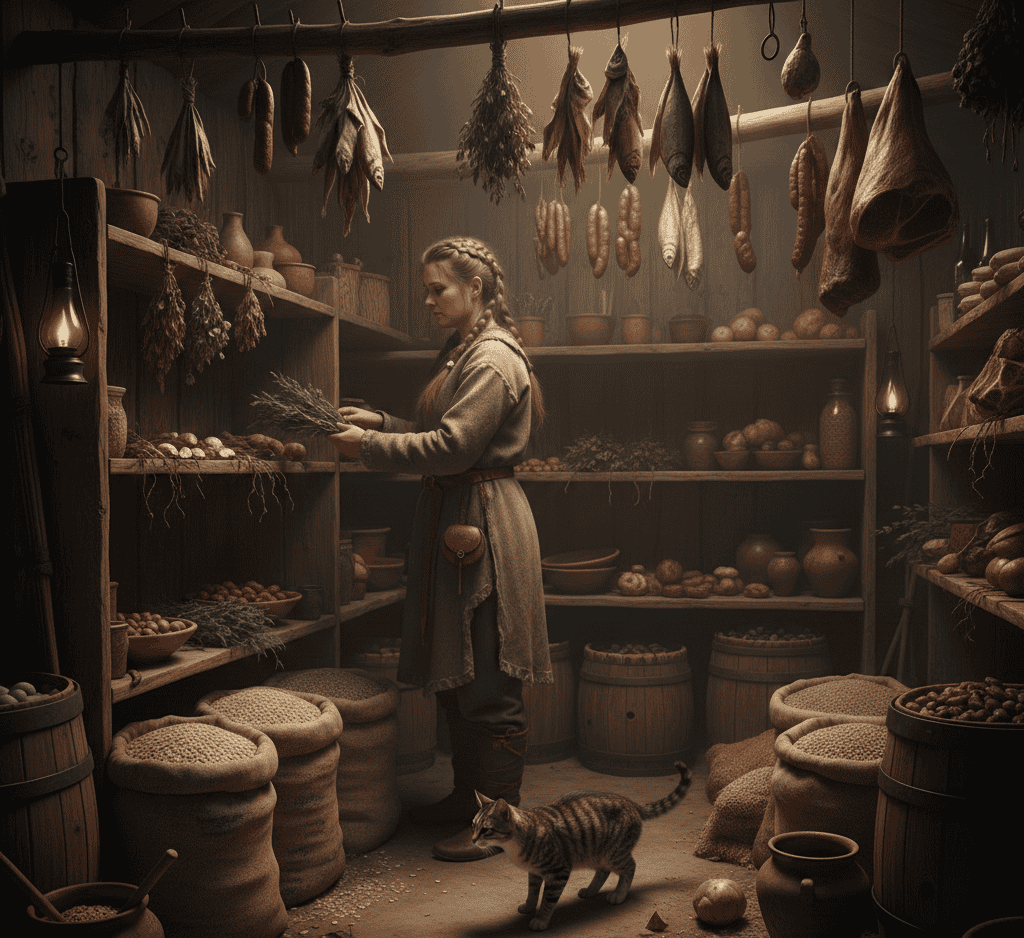
Viking households relied heavily on stored grains, dried fish, and preserved meats to survive long winters.
Rodents posed a serious threat to these supplies, and losing food could mean hardship or even starvation.
Cats were highly valued for their natural hunting abilities, which helped keep mice and rats under control.
This practical benefit made cats essential members of the home rather than simple pets.
Vikings respected animals that contributed to daily life, and cats proved their worth repeatedly through their skill and independence.
Even in storage buildings and ships, cats were welcomed for their ability to control pests.
Their quiet efficiency and reliability earned them admiration, reinforcing their reputation as both useful workers and trusted companions in Viking society.
3. Cats Traveled on Viking Ships
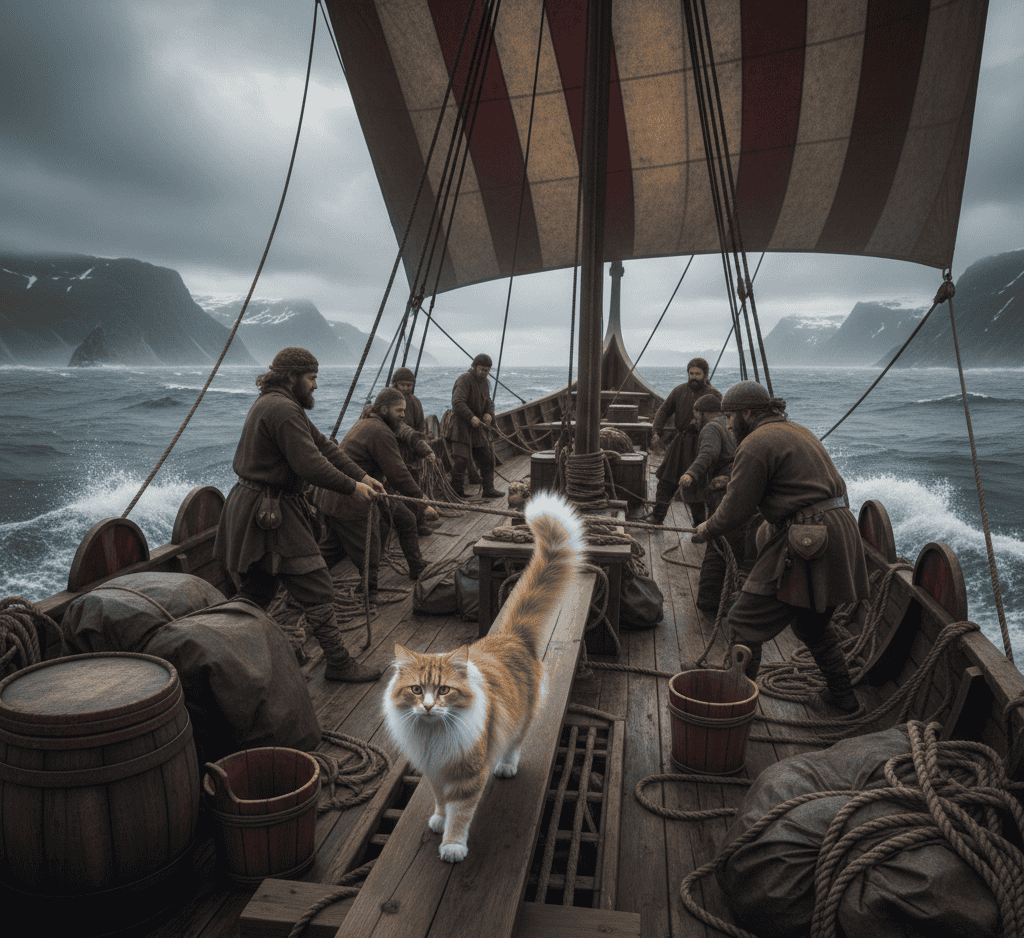
Viking ships carried supplies for long journeys across seas and rivers, and these stores often attracted rodents.
Cats adapted well to life at sea, using their balance and agility to move safely even in rough conditions.
Their presence helped protect valuable goods and ensured that supplies remained intact during long voyages.
Because of Viking exploration and trade, ship cats also helped spread domestic cats to new regions, influencing their distribution across parts of Europe and beyond.
4. They Symbolized Independence and Strength
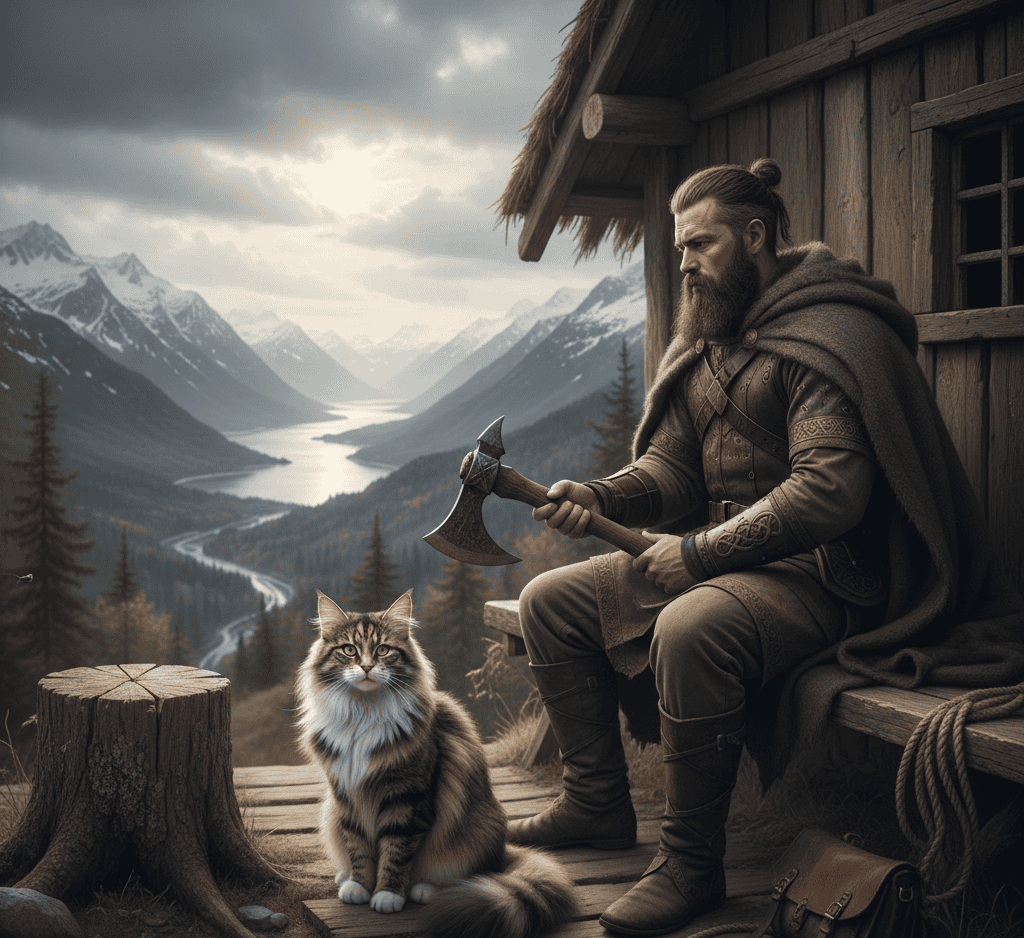
Vikings admired qualities like courage, resilience, and self-reliance, traits they also saw in cats.
Their confidence, sharp instincts, and ability to defend themselves reflected the warrior spirit valued in Norse culture.
This made them especially appealing companions in a society that respected strength and adaptability.
Cats did not require constant care, which suited the demanding lifestyle of Viking households. Families often worked long hours, traveled, or managed farms and trade, so animals that could thrive independently were highly valued.
At the same time, cats showed loyalty to their homes and owners, balancing independence with companionship.
This combination of freedom and connection matched the Viking ideal of strong individuals who remained loyal to their family and community.
5. They Were Associated with Fertility and Family Life

Because of their connection to Freyja, cats were also linked to fertility, motherhood, and healthy families.
Vikings believed that having cats in the home could encourage prosperity and successful childbirth.
Newly married couples were sometimes given cats as gifts, symbolizing hopes for a fruitful marriage and a growing household.
Cats were especially valued in homes with women and children, where their gentle and protective nature was appreciated.
Kittens symbolized new life and renewal, reinforcing their connection to fertility and growth.
Over time, cats became part of family life, not just for their usefulness but for their symbolic meaning.
Their role reflected the Viking belief that practical needs and spiritual hopes could exist together within the household.
6. Cats Helped Control Disease Risks
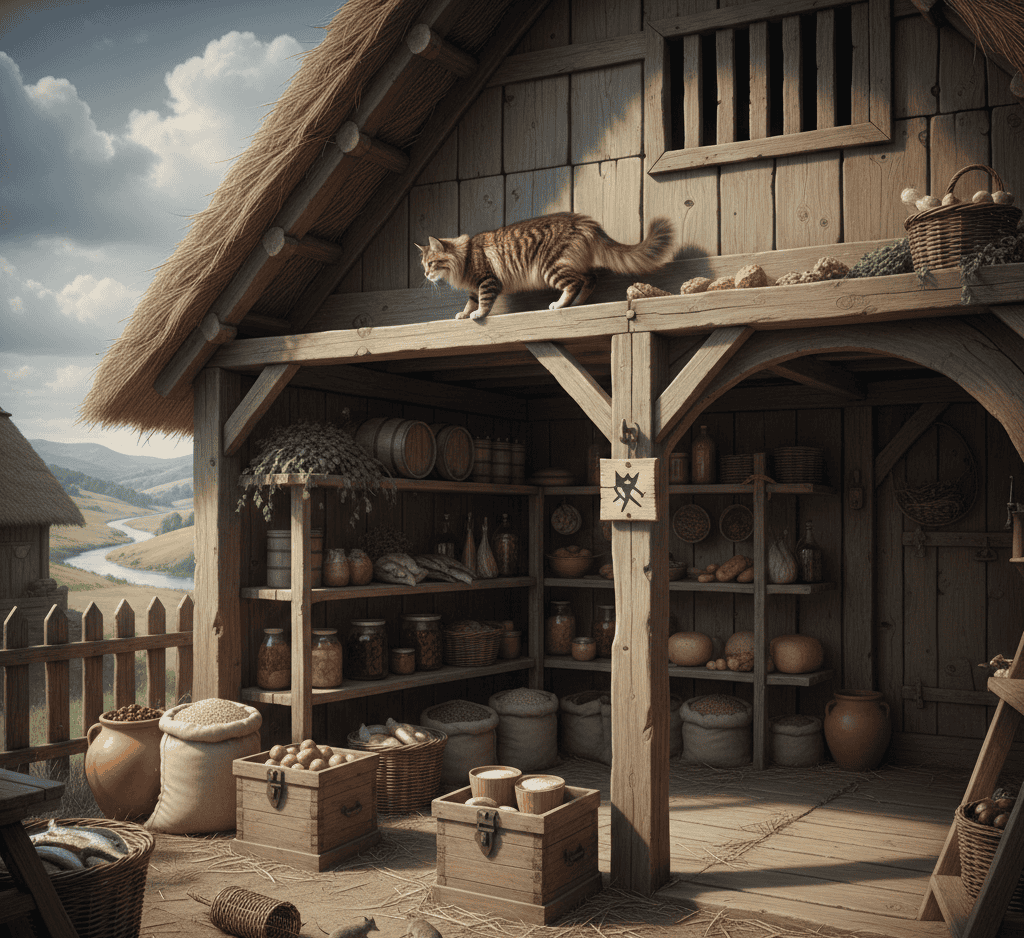
Rodents did more than destroy food. They also carried diseases that could spread quickly in homes and settlements.
By keeping rodent populations low, cats indirectly helped reduce health risks for Viking families.
This made them valuable not only for protecting supplies but also for maintaining a safer living environment.
Cleaner storage areas and fewer infestations improved overall living conditions. In crowded settlements or ships, this protection became even more important.
Cats contributed quietly to community health, preventing problems before they began. Their ability to manage pests naturally meant families did not need additional tools or methods.
This practical health benefit added to the many reasons Vikings welcomed cats into their daily lives.
7. They Were Seen as Good Luck Animals
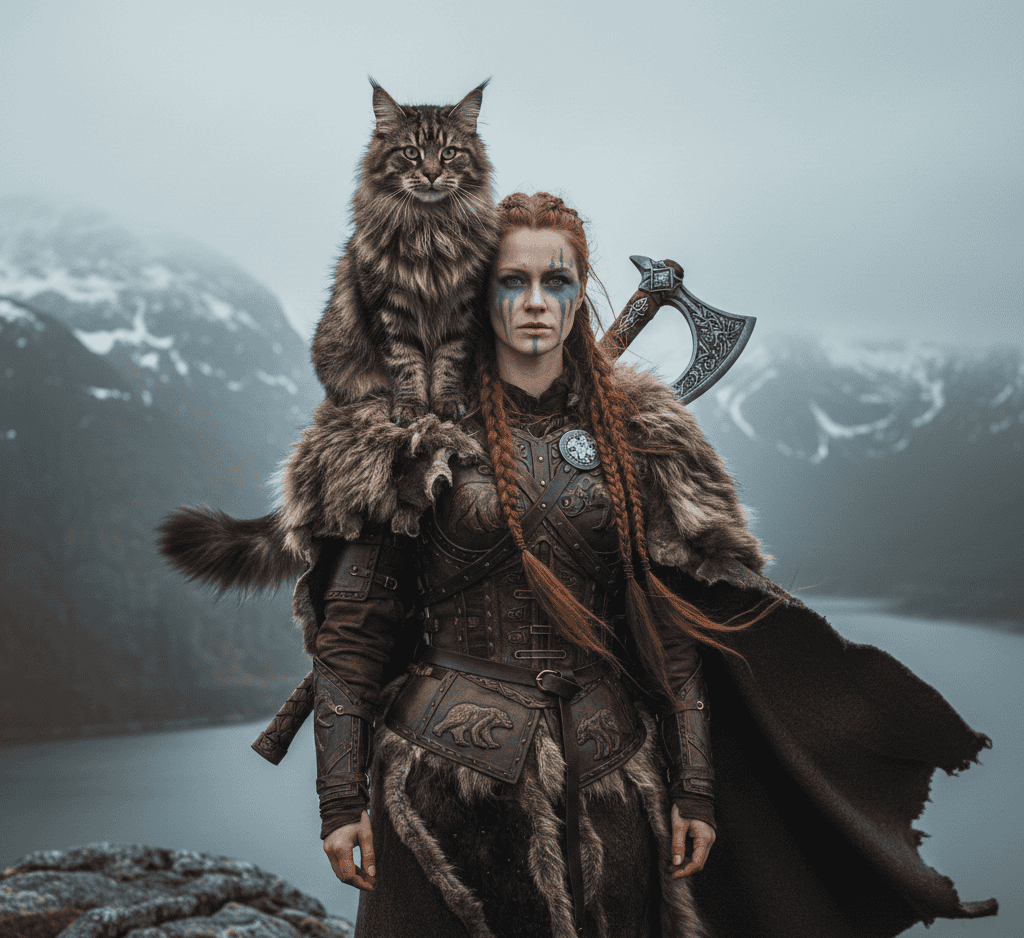
Like many seafaring cultures, Vikings believed certain animals could influence luck and protection.
Cats were often considered good luck, especially on journeys or during important life events.
Their calm behavior and sharp instincts made them seem aware of dangers before humans noticed them.
Sailors and travelers believed having a cat nearby could help ensure a safe return home.
Some believed cats could sense spirits or negative energy, making them valuable guardians of both homes and ships.
This combination of superstition and observation strengthened their place as trusted and fortunate companions.
8. They Fit Well into Viking Farm Life

Most Vikings lived as farmers, raising crops and animals while managing busy households.
Cats fit naturally into this environment because they require little care while providing valuable services.
They hunted pests in barns, fields, and storage areas, protecting both food and livestock supplies.
Unlike larger animals, cats did not consume many resources, making them easy to keep even during lean times.
They adapted well to different environments, from small homes to large rural settlements.
Their quiet presence and steady work helped maintain order without adding extra burden.
Over time, they became a familiar and dependable part of farm life across Viking communities.
9. They Were Loved as Companions
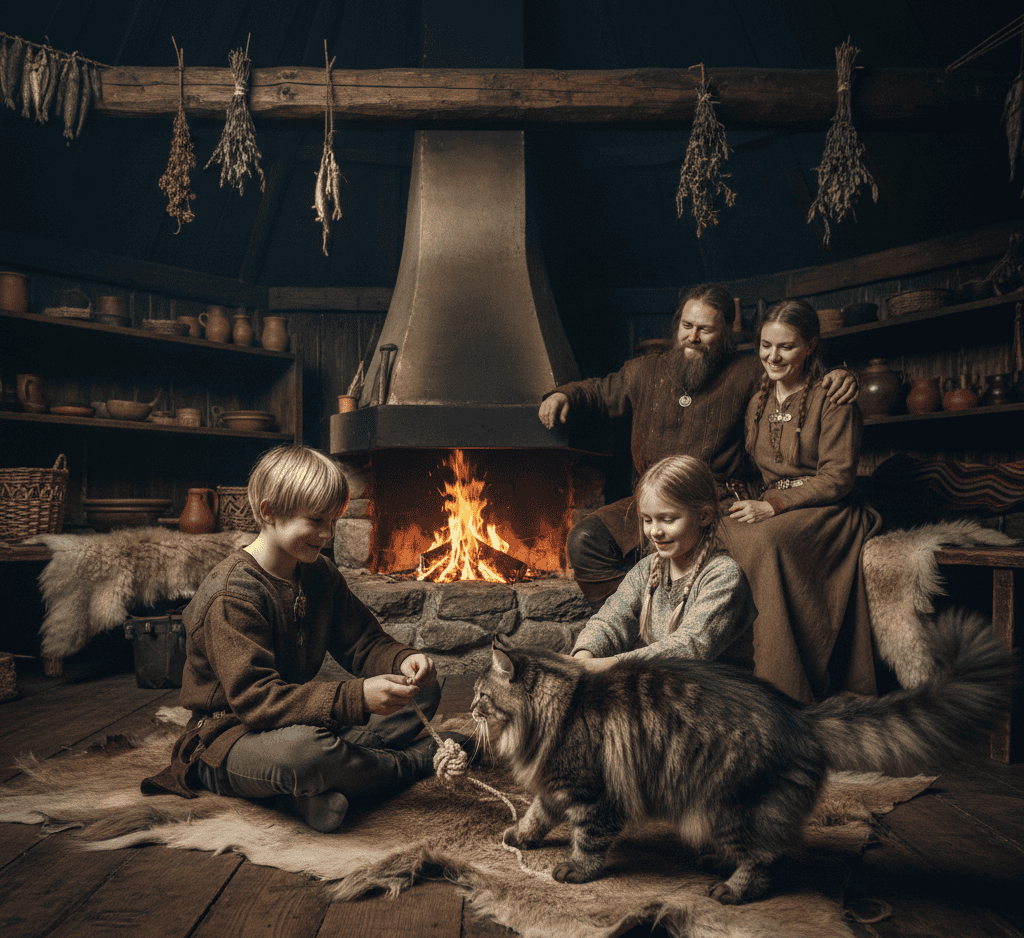
Beyond their usefulness and symbolism, Vikings simply enjoyed the company of cats.
Their playful nature, gentle behavior, and ability to form close bonds made them comforting household companions.
Cats also fit well into family routines, interacting easily with both adults and children.
This balance of affection and freedom made them especially appealing in Viking culture.
In the end, cats were not only workers, symbols, or protectors, they were valued members of the household who earned genuine affection and respect.

I always felt a strong connection to the Divine since my birth. As an author and mentor, my mission is to help others find love, happiness, and inner strength in the darkest of times.