

Stories about witches often sound distant and unreal, but every now and then, one rises from the past and feels painfully human.
The tale of Grace Sherwood is one of those stories. She lived in the early days of colonial Virginia in a small community called Pungo.
Her neighbors knew her as a woman who worked the land, healed the sick with herbs, and cared for her children after her husband died.
Her story shows how suspicion can grow when people feel uneasy, how jealousy turns into gossip, and how simple differences can bring harsh judgment.
A Woman Who Stood Out in a Suspicious World
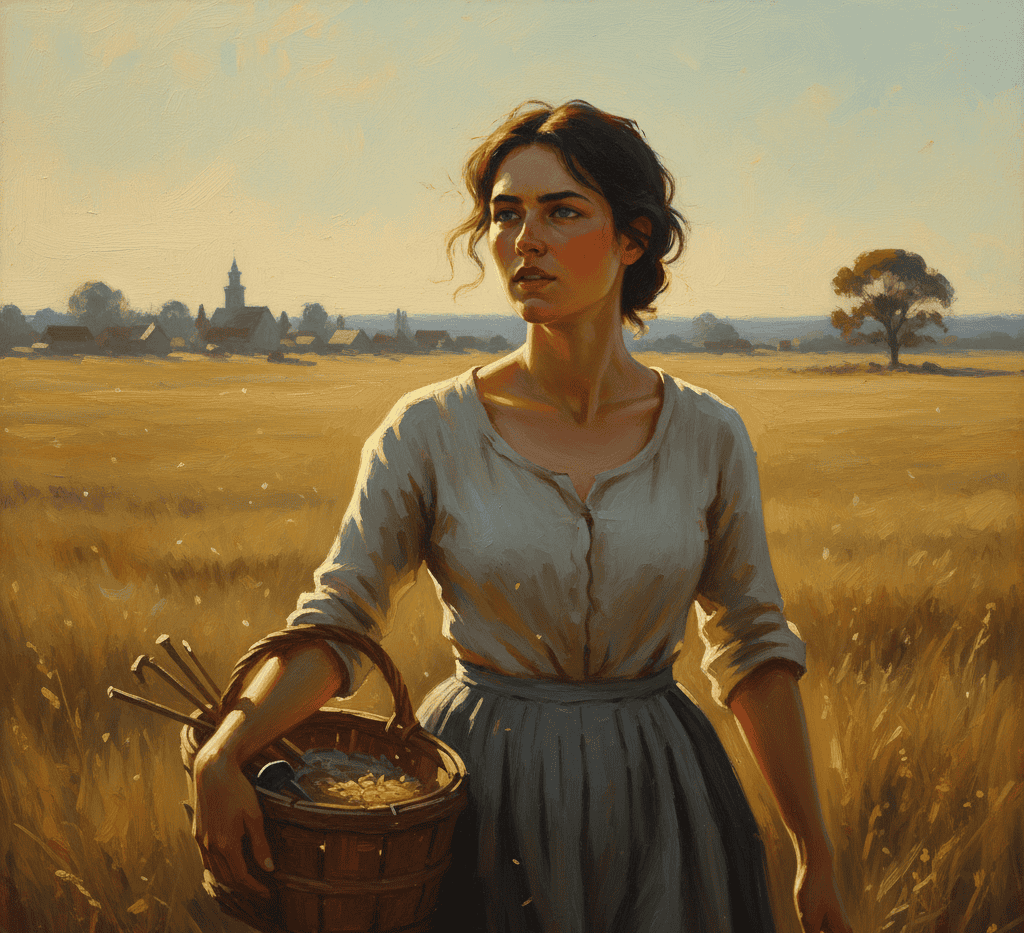
Grace Sherwood did not fit the quiet mold that many expected from a woman in colonial times.
She knew how to work on a farm, she understood herbs, and she liked to help people and animals.
She was also confident and spoke her mind, which was rare and sometimes unwelcome among her neighbors.
People were already uneasy about anyone who seemed different, and Grace stood out without even trying.
Small towns often held on to fear like it was a fact, and it did not take long for whispers to follow her.
Over the years, neighbors accused her of strange things. They said she ruined crops with her magic or appeared as a black cat at night.
They blamed her for storms that harmed farmland and for sicknesses that spread through livestock.
Instead of seeing natural causes, many chose to believe that one woman had that kind of power.
Grace tried to defend herself, but every attempt only made the rumors grow stronger. The accusations did not come from the truth.
They came from tension, insecurity, jealousy, and the human habit of choosing someone to blame when life feels unsure.
Her first husband died, and she raised her children alone, another reason people watched her with quiet judgment.
A single woman with strength and skills made some feel threatened. The world around her was tightening with fear, and Grace was caught in the middle with fewer and fewer allies.
The charges eventually turned into an official case, and the people of Pungo decided that the court should settle the matter.
To them, the question was simple. If she was innocent, the water would prove it. They believed water would reject a witch.
The Day She Faced the Water

In 1706, Grace Sherwood was taken to a nearby river so that she could be tested. The crowd gathered early, some curious, some nervous, and some almost excited to witness the event.
They tied her hands and feet, placed her in a boat, and pushed it toward the middle of the water.
She knew what would happen next, and she knew she could not stop it. The court held on to a simple belief that water, seen as pure, would not accept a witch.
If Grace floated, they would say the water rejected her soul. If she sank, she would be innocent, though there was a chance she would drown before anyone pulled her back up.
This moment shows how fear can shape a community. People did not look at Grace and see a woman who worked hard to support her family.
They did not see a mother or a healer. They only saw the stories they had repeated to one another, stories that grew more dramatic every time they were shared.
When they lowered her into the water, the entire community watched as if her fate would protect them from something hidden.
Grace did float, though her body was light, and the ropes kept her from sinking completely.
The court declared that the water had spoken. She was taken away and kept in jail for some time.
History does not record every detail of what she felt that day, but it is easy to imagine the fear. Still, she survived. Many accused women in other places were not so lucky.
Life After the Trial and the Long Path to Freedom
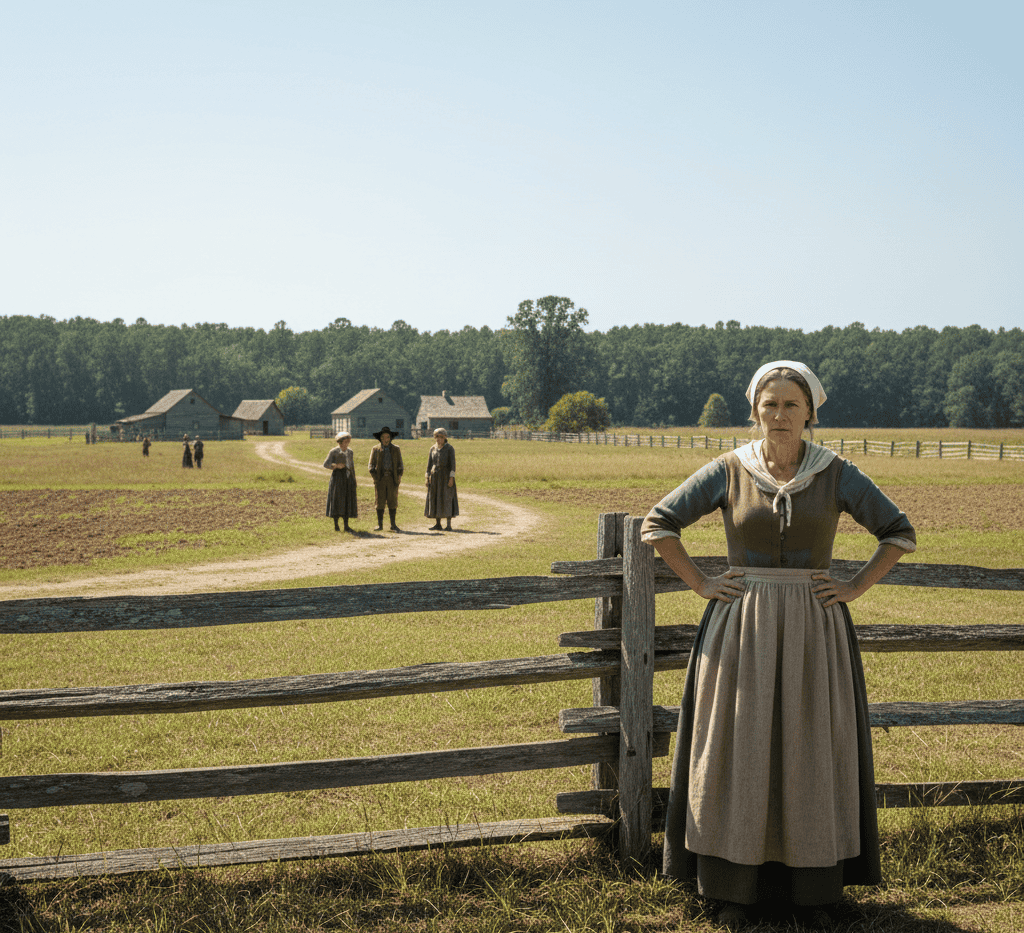
Grace’s life did not end with the water test. After spending time in jail, she eventually returned to her land in Pungo.
She was older and tired from the ordeal, but she continued to work her farm and live quietly.
People did not stop talking about her, but over the years, the fear around her story faded.
She lived long enough to see her sons grow into adults, and she kept the same land that had caused her neighbors so much envy.
She died around the age of eighty, which was a long life for that time. The legend of Grace Sherwood grew slowly over the centuries.
Some people remembered her as a witch, some as a healer, and some simply as a victim of fear.
Her story became part of Virginia’s history, a reminder of what happens when a community chooses superstition over truth.
Time softened the edges of the tale, but it also made her name known far beyond the borders of Pungo.
More than three hundred years later, people began to look at her story again with compassion instead of suspicion.
In 2006, Virginia officially cleared her name. The governor announced that Grace Sherwood had been wrongfully accused and expressed remorse.
It was a symbolic gesture, but a powerful one. Her story was no longer one of guilt but of resilience.
Why Her Story Still Matters Today
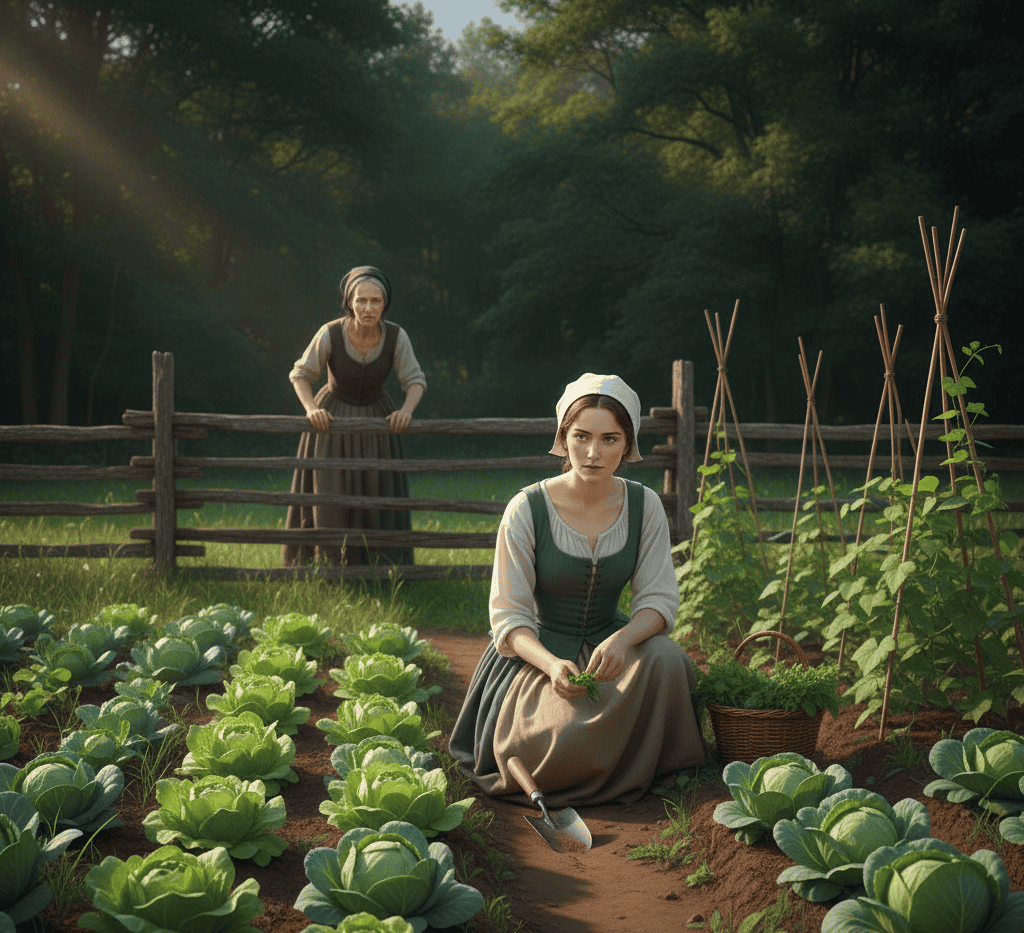
The tale of Grace Sherwood remains important because it reflects patterns that still appear in modern life.
People sometimes fear what they do not understand. Communities can turn against someone different or outspoken, or simply unlucky.
Rumors can spread faster than facts, and once they take root, they are hard to pull out. Grace’s story is not only about witchcraft.
It is about how easily good people can be judged and how dangerous it becomes when fear replaces reason.
Today, her name appears in books, statues, and local celebrations. She represents the quiet bravery of facing a world that has already made up its mind.
Her life reminds us to question rumors, to look deeper before judging, and to treat others with fairness.
Grace Sherwood’s story feels old, but its lesson is timeless. When people let fear decide the truth, justice becomes fragile.
Her story encourages us to be kinder, more careful with our words, and more aware of how easily judgment can spread.
In remembering her, we learn how to be better than the past that shaped her fate.

I always felt a strong connection to the Divine since my birth. As an author and mentor, my mission is to help others find love, happiness, and inner strength in the darkest of times.