
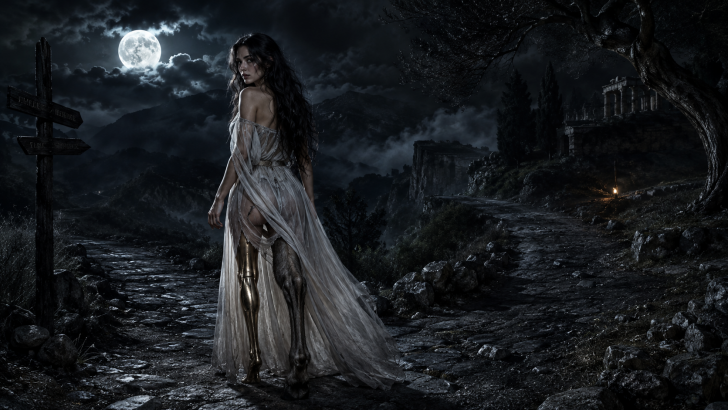
Greek mythology is filled with monsters, spirits, and supernatural creatures that terrified ancient audiences.
Some guarded treasures, some haunted lonely places, and others appeared in stories designed to explain the dangers hidden in the world around them.
Among the strangest of these figures was Empusa, a mysterious demoness associated with the night, deception, and frightening transformations.
Unlike creatures that always appeared in the same form, Empusa was said to be able to change her appearance whenever it suited her purposes.
This made her especially unsettling because nobody could be entirely certain what she truly looked like.
Over time, her stories spread through Greek folklore and later literature, turning her into one of the most fascinating female spirits in ancient mythology.
Here are eight things about Empusa, the shape-shifting demoness.
1. Empusa Was Closely Associated With Hecate
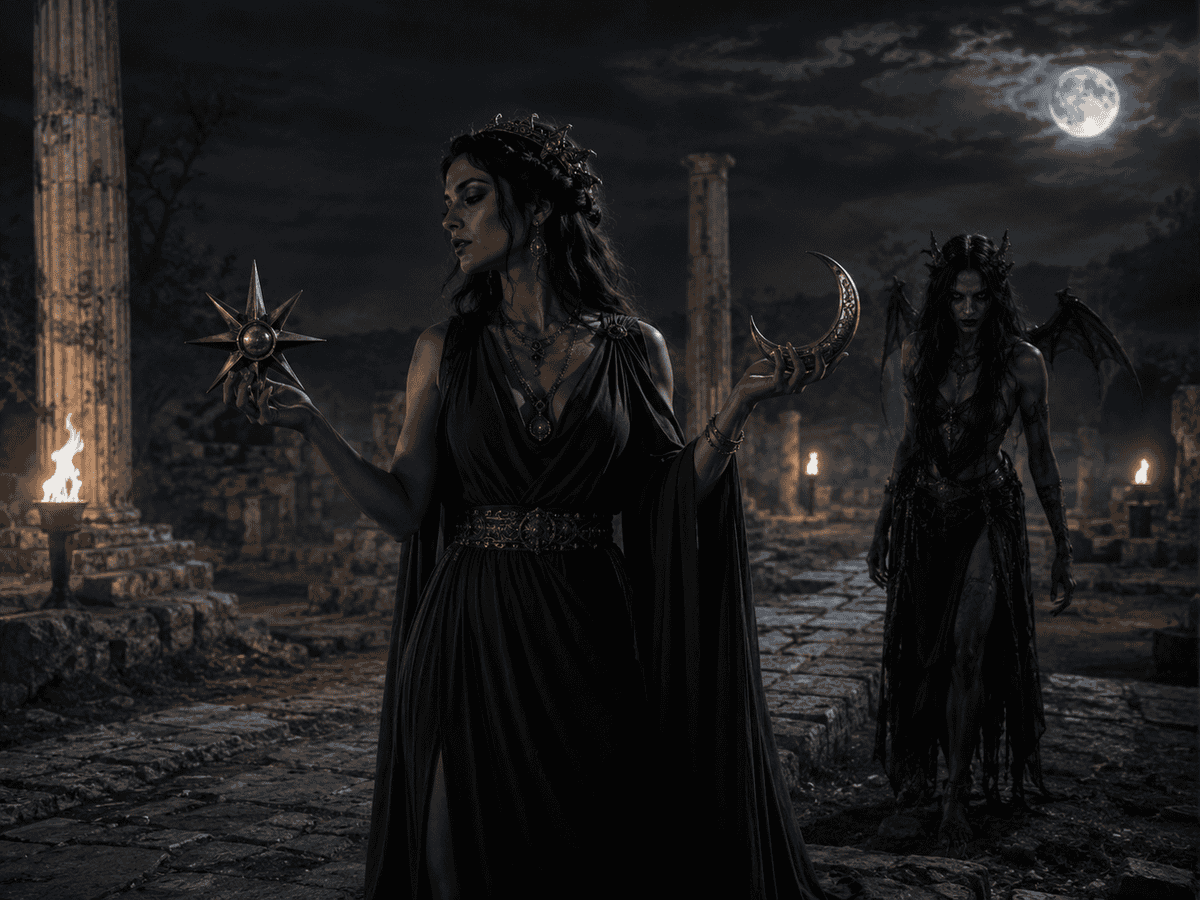
Many ancient sources connected Empusa with Hecate, the Greek goddess of magic, crossroads, ghosts, and the night.
Some stories described Empusa as a servant or companion of Hecate who carried out tasks on behalf of the goddess.
Because Hecate herself was linked with mysterious places and supernatural beings, Empusa fit naturally into her circle.
Ancient Greeks often imagined crossroads, abandoned roads, and lonely paths as places where the human and spirit worlds felt unusually close.
Empusa became one of the creatures people feared encountering in such locations after sunset.
Her connection to Hecate also gave her an important place among the many spirits that populated the darker side of Greek mythology.
This relationship helped ensure that her legend survived long after many lesser-known spirits had disappeared from memory.
2. She Was Famous for Her Ability to Change Shape
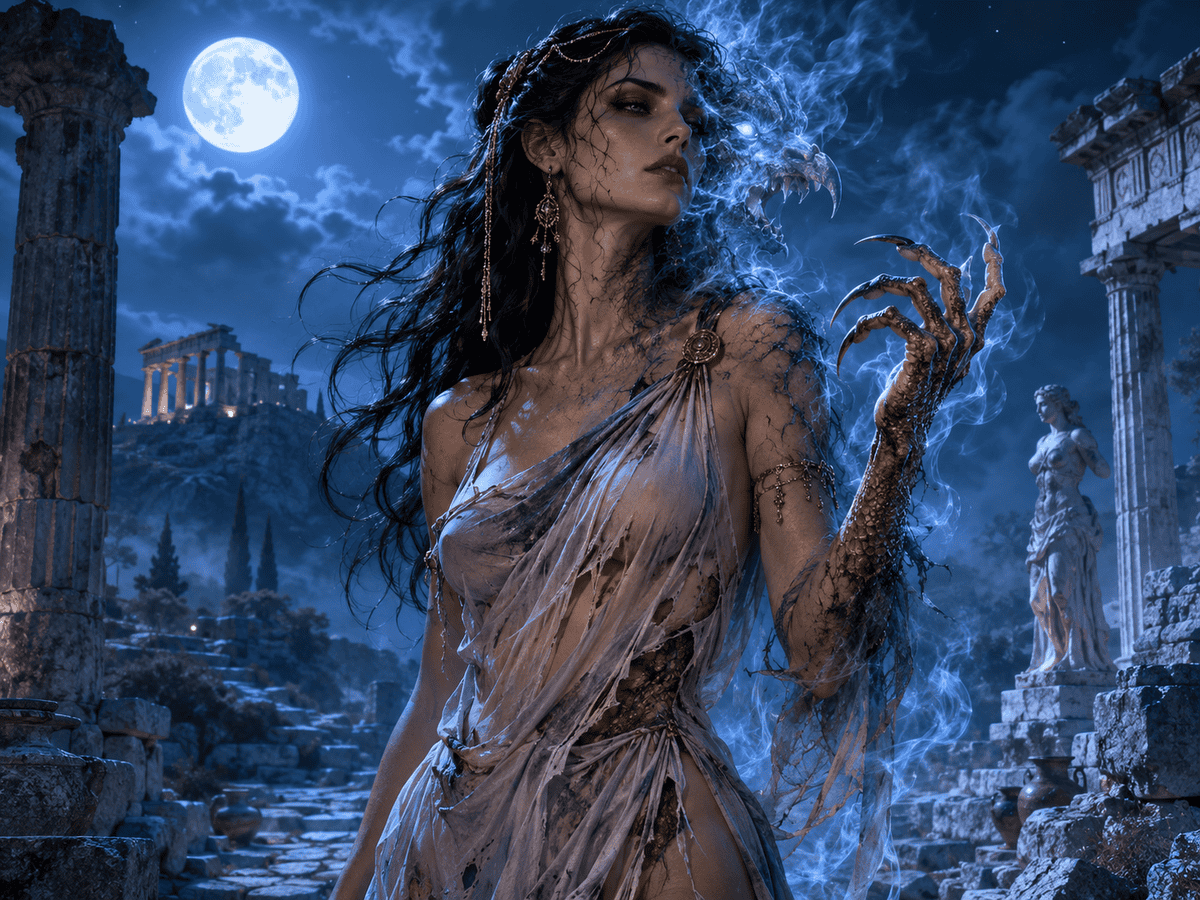
Empusa’s most famous ability was her power to alter her appearance. Ancient stories claimed she could transform herself into different forms.
This made her very different from monsters such as the Minotaur or Medusa, whose appearances remained fixed.
The uncertainty surrounding her true form became one of the most frightening aspects of her legend.
A creature that could become almost anyone or anything created a sense of danger that felt impossible to predict.
Shape-shifting beings appear in folklore across the world, but Empusa became one of the best-known examples in Greek tradition.
Her transformations symbolized the fear of appearances that could not be trusted.
3. Some Stories Described Her as Beautiful
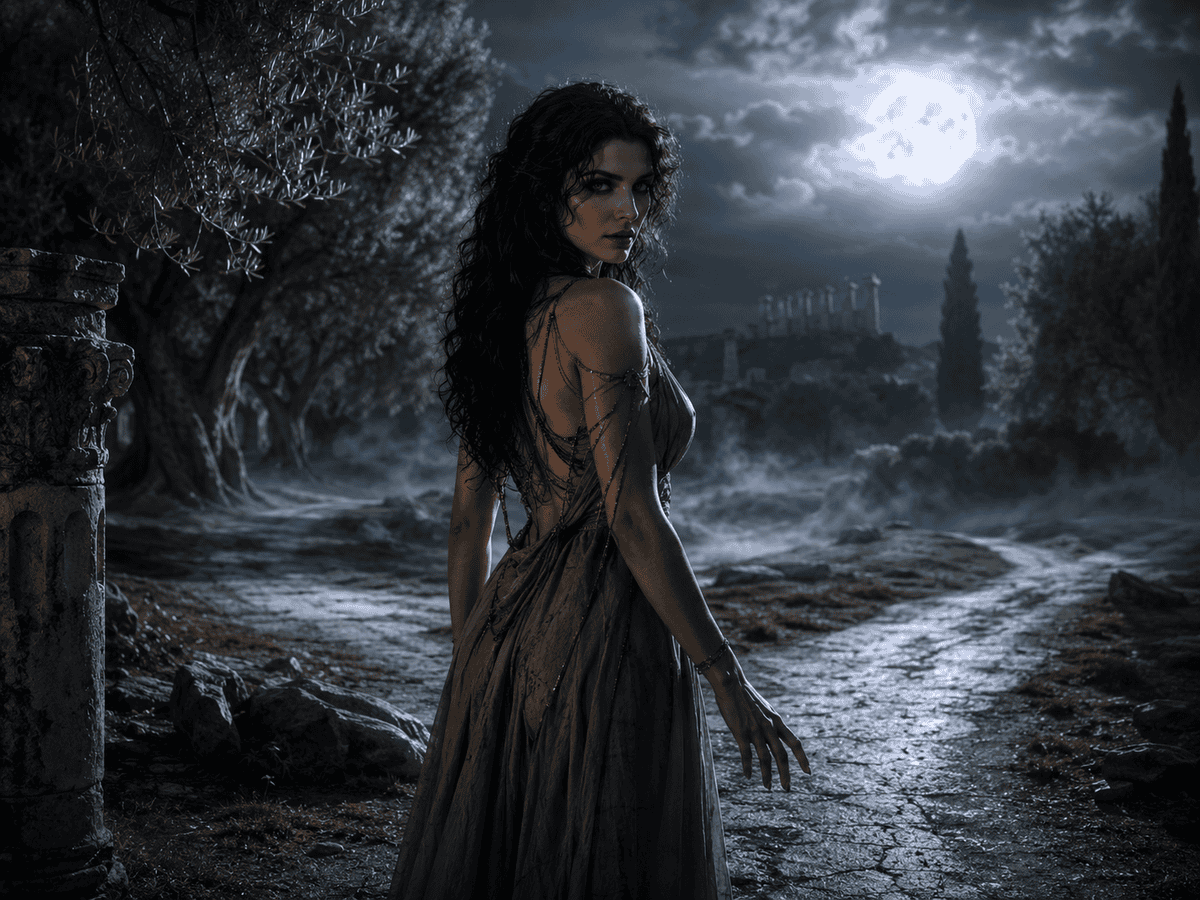
One of the more unusual aspects of Empusa’s mythology is that she was not always described as terrifying at first glance.
Several traditions portray her as appearing in the form of a beautiful young woman. Only later would her supernatural nature reveal itself.
This contrast between beauty and danger made her stories particularly memorable for ancient audiences.
Greek mythology often used disguise and hidden identities as important themes.
Gods regularly changed shape, heroes concealed themselves, and monsters sometimes hid behind ordinary appearances.
Empusa reflected this fascination with deception and illusion. Her ability to appear harmless before revealing her true identity made her one of the most unsettling creatures.
4. Ancient Writers Gave Her Strange Physical Features
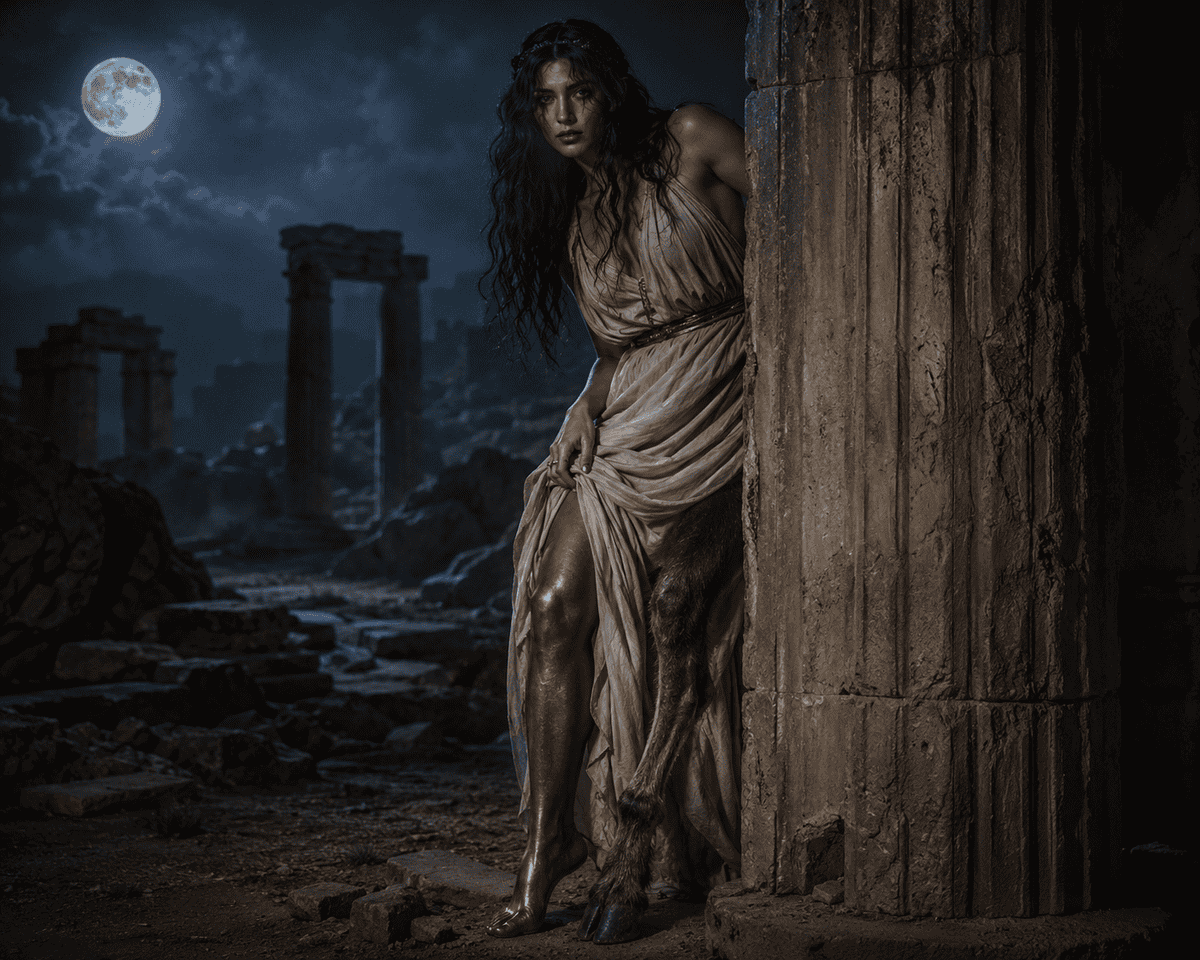
Although Empusa could change shape, ancient writers sometimes described certain features that revealed her true nature.
Some stories claimed she possessed one leg made of bronze and another made from a donkey’s leg. Others offered slightly different descriptions, depending on the region or the writer.
These unusual details helped distinguish her from ordinary humans even when she attempted to disguise herself.
Greek mythology often gave supernatural beings combinations of human and animal characteristics to emphasize their otherworldly origins.
The image of a beautiful figure hiding such strange features underneath her appearance only added to her mystery.
Even today, the bronze leg remains one of the most recognizable details associated with her legend.
5. She Frequently Appeared in Nighttime Stories
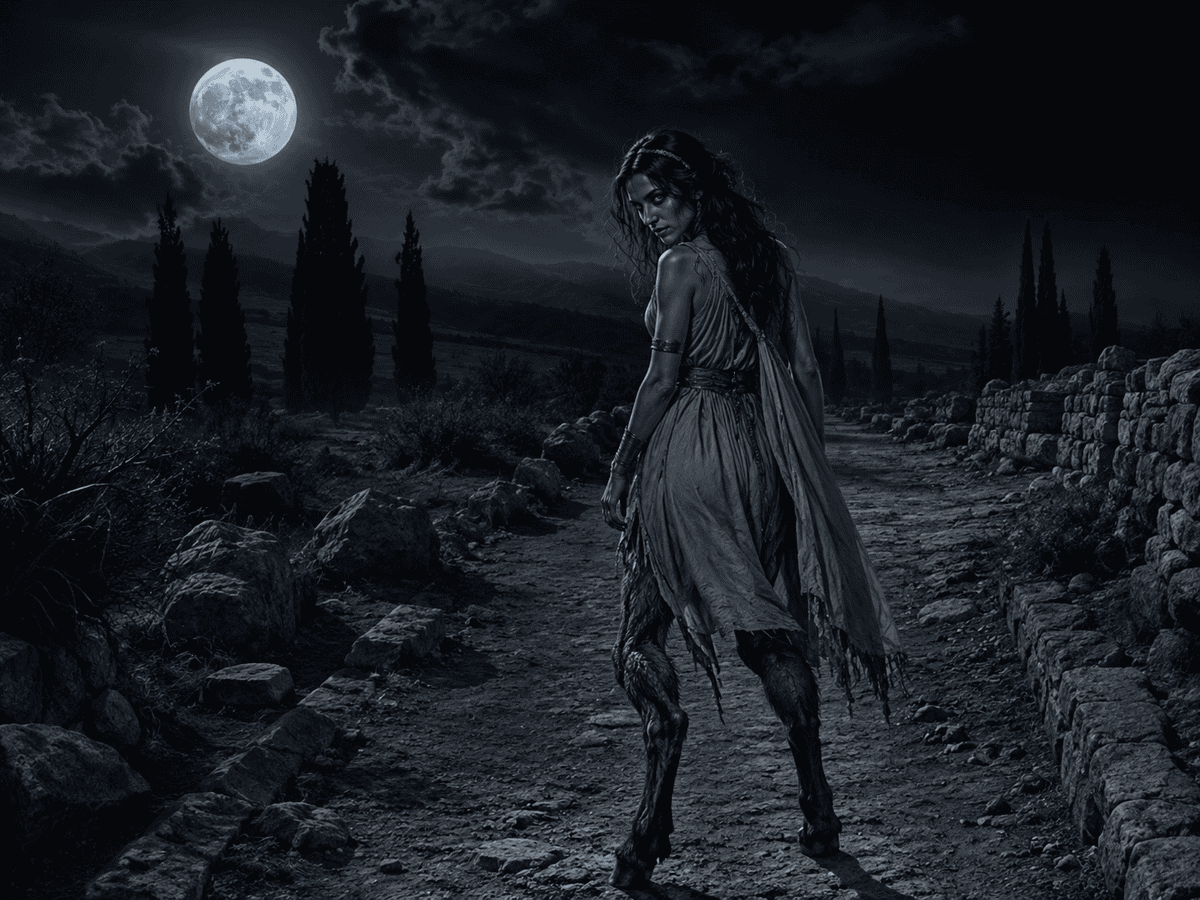
Darkness played an important role in many stories involving Empusa. She was often said to wander during the night when roads were empty, and visibility was poor.
Before streetlights and modern cities, traveling after sunset carried genuine risks. Wild animals, criminals, and accidents became far more dangerous once darkness arrived.
Folklore often transformed these dangers into supernatural figures that embodied fear itself. Empusa became one of the many spirits associated with nighttime uncertainty.
Her stories encouraged caution and reflected the unease many people felt when moving through unfamiliar places after dark.
The night belonged to mystery, and creatures like Empusa became part of that mysterious landscape.
6. Greek Comedies Sometimes Made Fun of Her
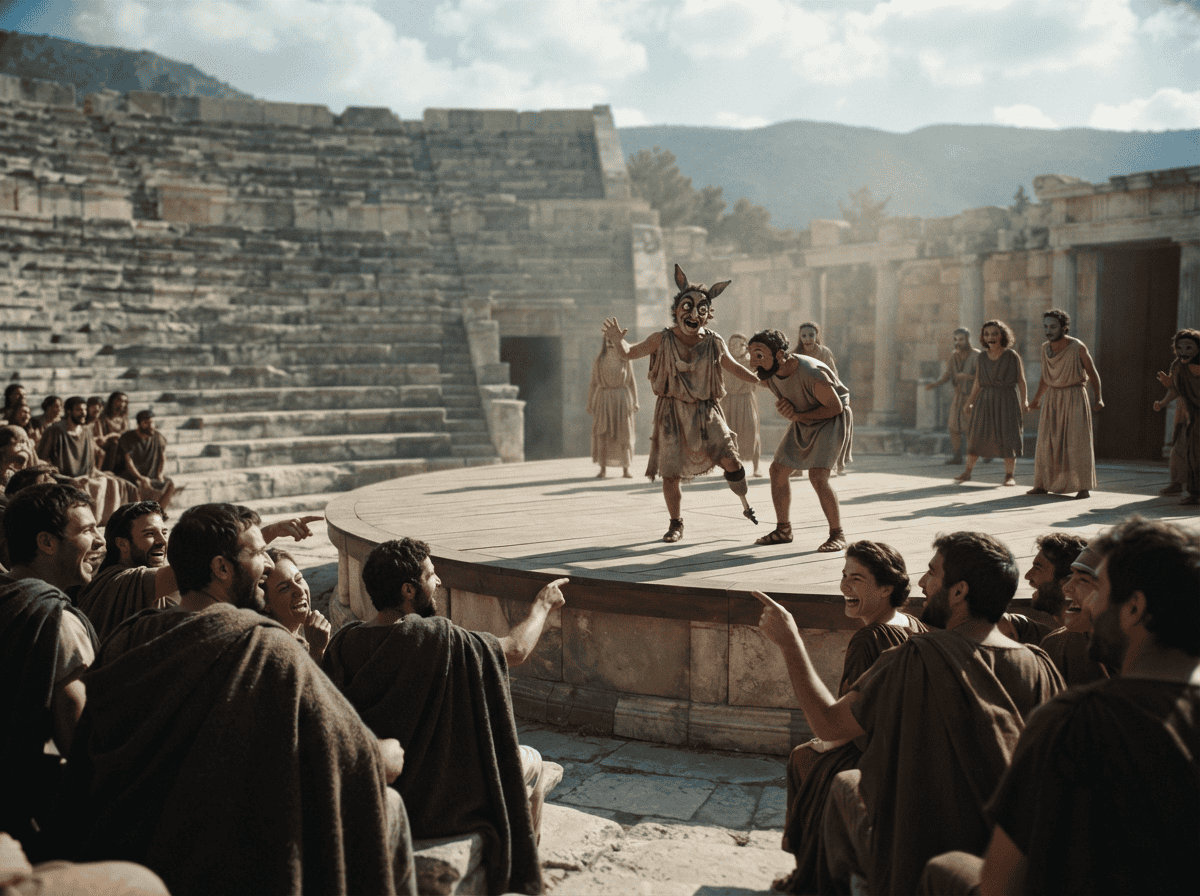
Surprisingly, Empusa did not appear only in frightening stories. Ancient Greek playwrights occasionally included her in comedies as well.
The famous playwright Aristophanes mentioned her in his works, showing that audiences were familiar with her legend.
This demonstrates an interesting aspect of Greek culture. People often joked about the very things they feared.
Turning monsters into subjects of humor helped make them feel less threatening.
Even today, horror films and ghost stories sometimes mix fear with comedy for the same reason.
Empusa’s appearance in theatrical performances suggests she was well known enough for audiences to immediately recognize her name and reputation.
7. Her Legend Changed Over Time
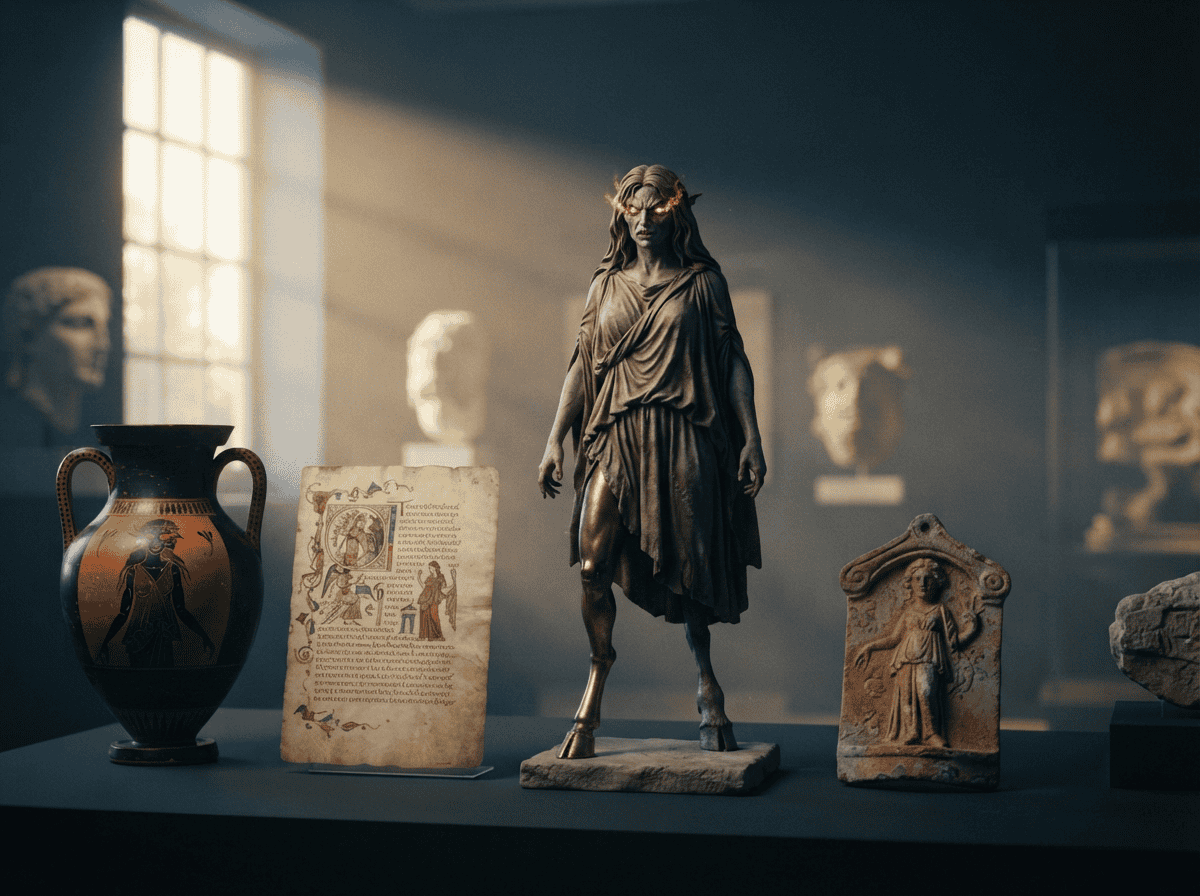
Like many mythological figures, Empusa did not remain the same throughout history. Different writers and regions emphasized different aspects of her story.
Some focused on her connection to Hecate, while others highlighted her transformations or frightening appearance.
As Greek culture spread throughout the Mediterranean, local traditions sometimes added new details to her legend.
This process happened constantly in the ancient world. Myths evolved as generations retold them and adapted them for new audiences.
The many versions of Empusa demonstrate how flexible mythology could become over time.
Rather than existing as one fixed character, she became a collection of related traditions connected by common themes.
8. Some Scholars See Empusa as an Ancestor of Later Vampire Legends
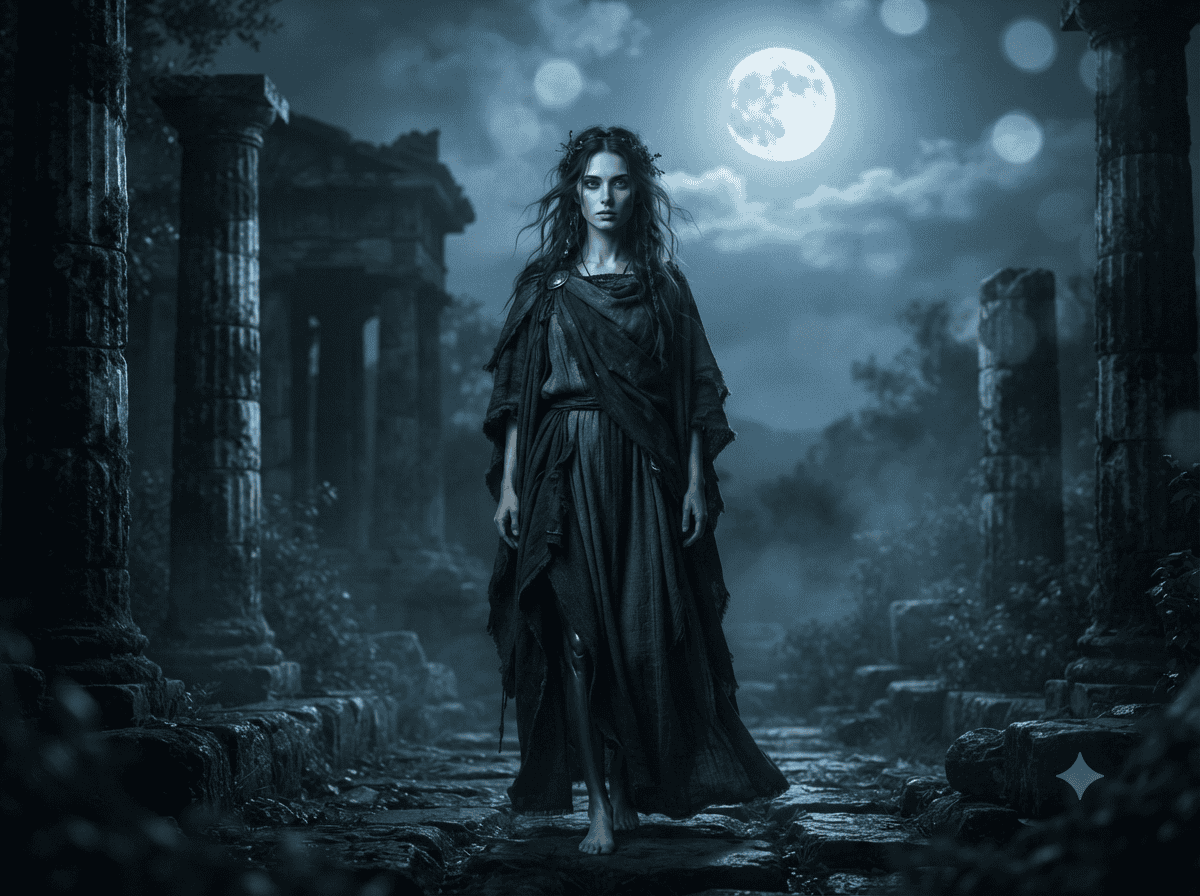
Although Empusa belonged to ancient Greek mythology, some researchers have noticed similarities between her stories and later European vampire folklore.
Both were often associated with the night, deception, and the ability to approach victims while hiding their true nature.
In some later traditions, Empusa was even described as draining the vitality or life force of those she targeted, a detail that reminds many readers of later vampire stories.
This does not mean that vampires directly evolved from Empusa, but it does show how certain fears have appeared repeatedly throughout history.
Many cultures created supernatural figures that represented hidden dangers, especially those connected with darkness and isolation.
Empusa may not be as famous as Dracula today, but her stories contain several ideas that would continue appearing in folklore for centuries afterward.
Her legend demonstrates how ancient myths often leave traces that survive long after the original stories have faded from memory.

I always felt a strong connection to the Divine since my birth. As an author and mentor, my mission is to help others find love, happiness, and inner strength in the darkest of times.