
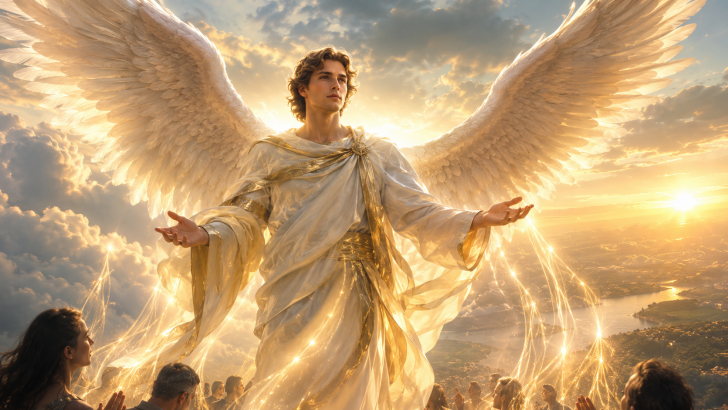
One of the most intriguing and mystical angels is Archangel Sandalphon.
Although he is less widely known than some of the major archangels, Sandalphon holds an important place in Jewish mysticism and later spiritual traditions.
He is most often associated with prayer, music, gratitude, and the connection between heaven and earth.
Many descriptions portray him as an angel who carries human prayers upward, helping transform words, hopes, and emotions into offerings that reach the divine.
Whether seen as a literal spiritual being or as a powerful symbol of faith and reflection, Sandalphon has inspired believers and spiritual seekers for centuries.
Here are eight things about Archangel Sandalphon, the Angel of Prayer.
1. Sandalphon Is Often Known as the Angel of Prayer

The title most commonly associated with Sandalphon is the Angel of Prayer.
According to various traditions, his role involves receiving prayers offered by human beings and presenting them before God.
This image has become one of the most enduring parts of his symbolism.
For many people, prayer can sometimes feel abstract or uncertain. Questions naturally arise about whether prayers are heard, understood, or noticed.
The figure of Sandalphon offers reassurance within these traditions. He represents the idea that sincere prayers are never lost or ignored.
Some descriptions portray him weaving prayers into spiritual crowns or garlands before presenting them in heaven.
Others simply describe him as a messenger who carries human hopes upward.
Sandalphon symbolizes the bridge between earthly concerns and spiritual hope.
Even outside religious traditions, many people find comfort in the idea that thoughts of gratitude, compassion, and hope have value simply because they are expressed.
2. Some Traditions Identify Him With the Prophet Elijah
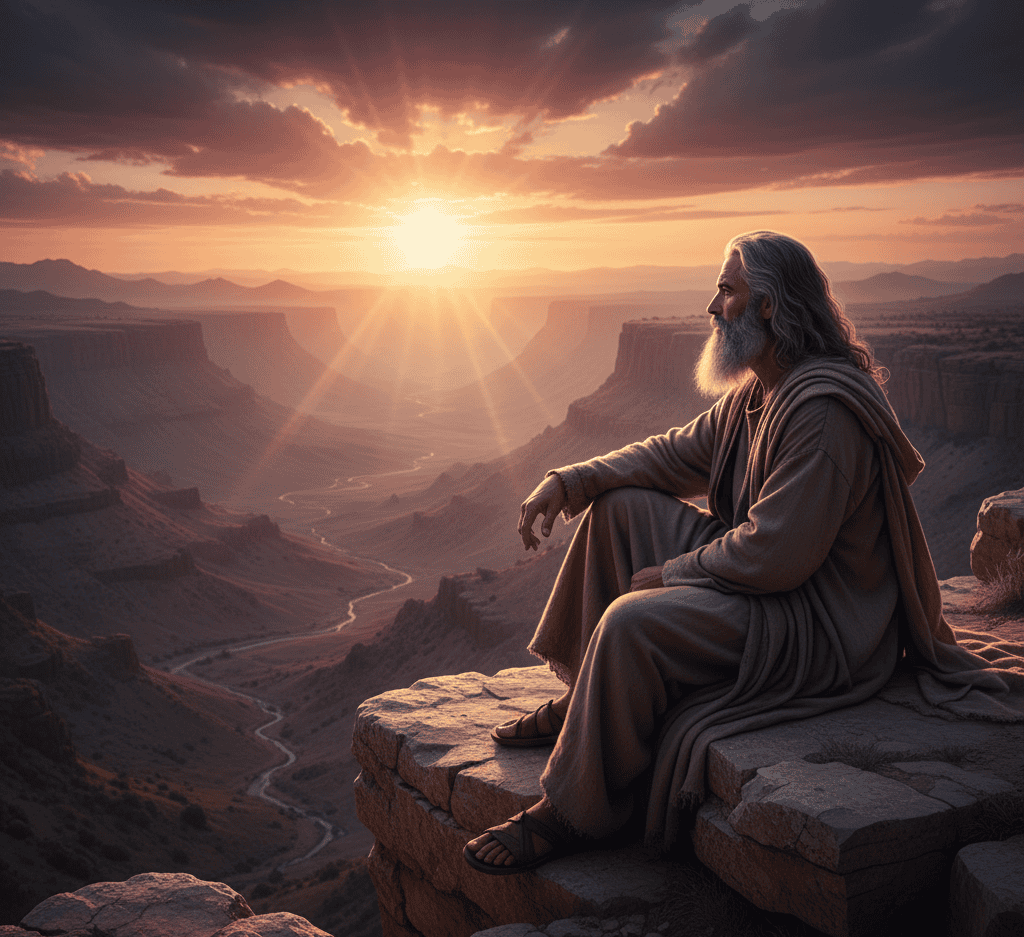
One of the most fascinating beliefs surrounding Sandalphon is the idea that he may once have been the prophet Elijah.
According to certain Jewish mystical traditions, Elijah did not experience death in the ordinary sense but was instead taken into heaven in a fiery chariot.
Some later writings identify Sandalphon as the angelic form Elijah assumed after this transformation. This connection makes Sandalphon somewhat unique among angels.
Most angels are portrayed as purely heavenly beings, while Sandalphon is sometimes described as someone who experienced life as a human before becoming an angelic figure.
Because of this, some traditions portray him as having a special understanding of human struggles, hopes, and fears.
An angel who once understood human life firsthand feels especially suited to carrying human concerns and emotions.
Whether interpreted literally or symbolically, this tradition adds a deeply personal dimension to his character.
3. He Is Often Described as Exceptionally Tall

Ancient mystical writings occasionally describe Sandalphon as one of the tallest angels in heaven.
Some texts portray him as so immense that his height stretches from earth toward the highest heavens.
These descriptions are not meant to function as physical measurements in the modern sense.
Instead, they are symbolic expressions of spiritual importance and vastness. His great height may represent his role as a link between the human and divine realms.
Standing between heaven and earth reflects his position as an intermediary connected with prayer and communication.
Throughout religious literature, extraordinary size often symbolizes power, wisdom, or closeness to the divine.
4. Music Plays an Important Role in His Symbolism
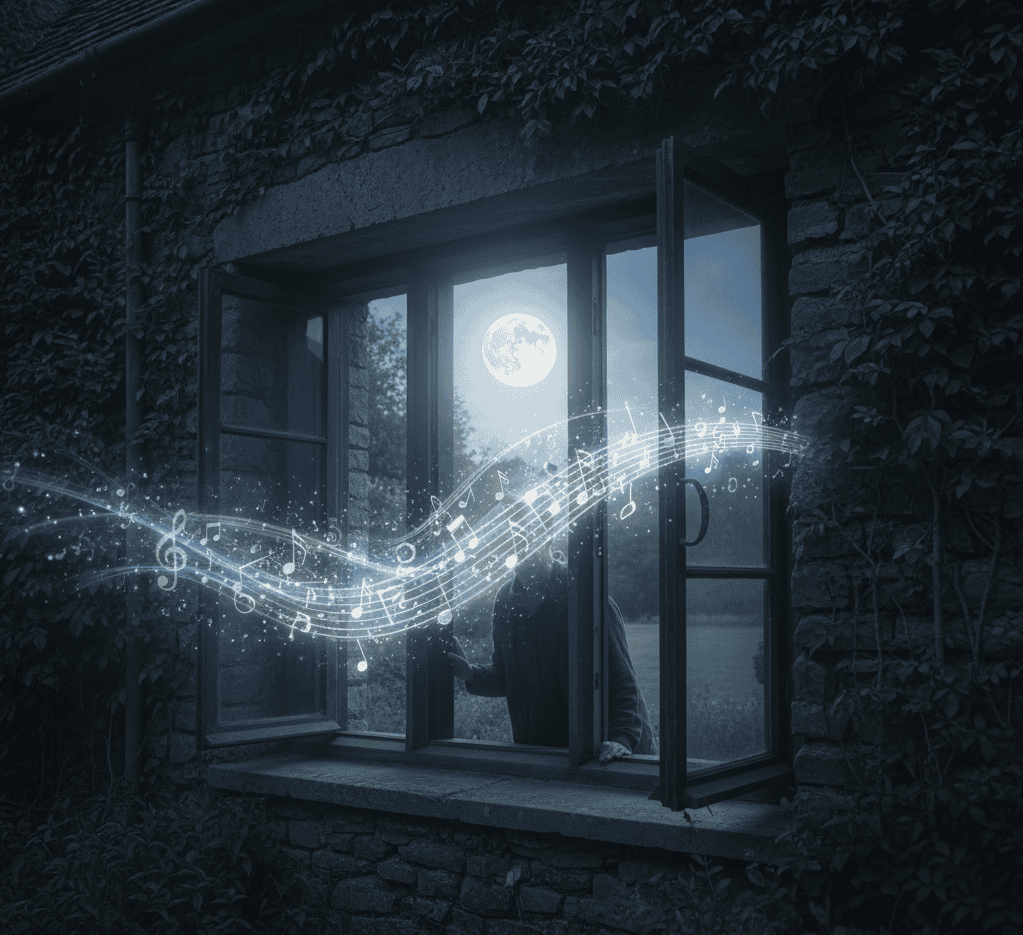
In many traditions, Sandalphon is closely associated with music and heavenly songs.
Some writings describe him as leading celestial choirs or helping transform prayers into music before they rise to heaven.
This connection feels natural when we consider how closely music and spirituality have always been linked.
Songs appear in nearly every religion and culture. People sing during celebrations, ceremonies, funerals, and moments of gratitude.
Music often expresses emotions that ordinary conversation struggles to capture. Joy, grief, hope, and wonder sometimes feel easier to sing than to explain.
Sandalphon’s connection with sacred music reflects this universal human experience. For many people, music itself becomes a kind of prayer.
A hymn, a chant, or even a deeply meaningful piece of instrumental music can create feelings of peace, reflection, and connection.
5. Gratitude Is One of the Themes Most Closely Linked With Him
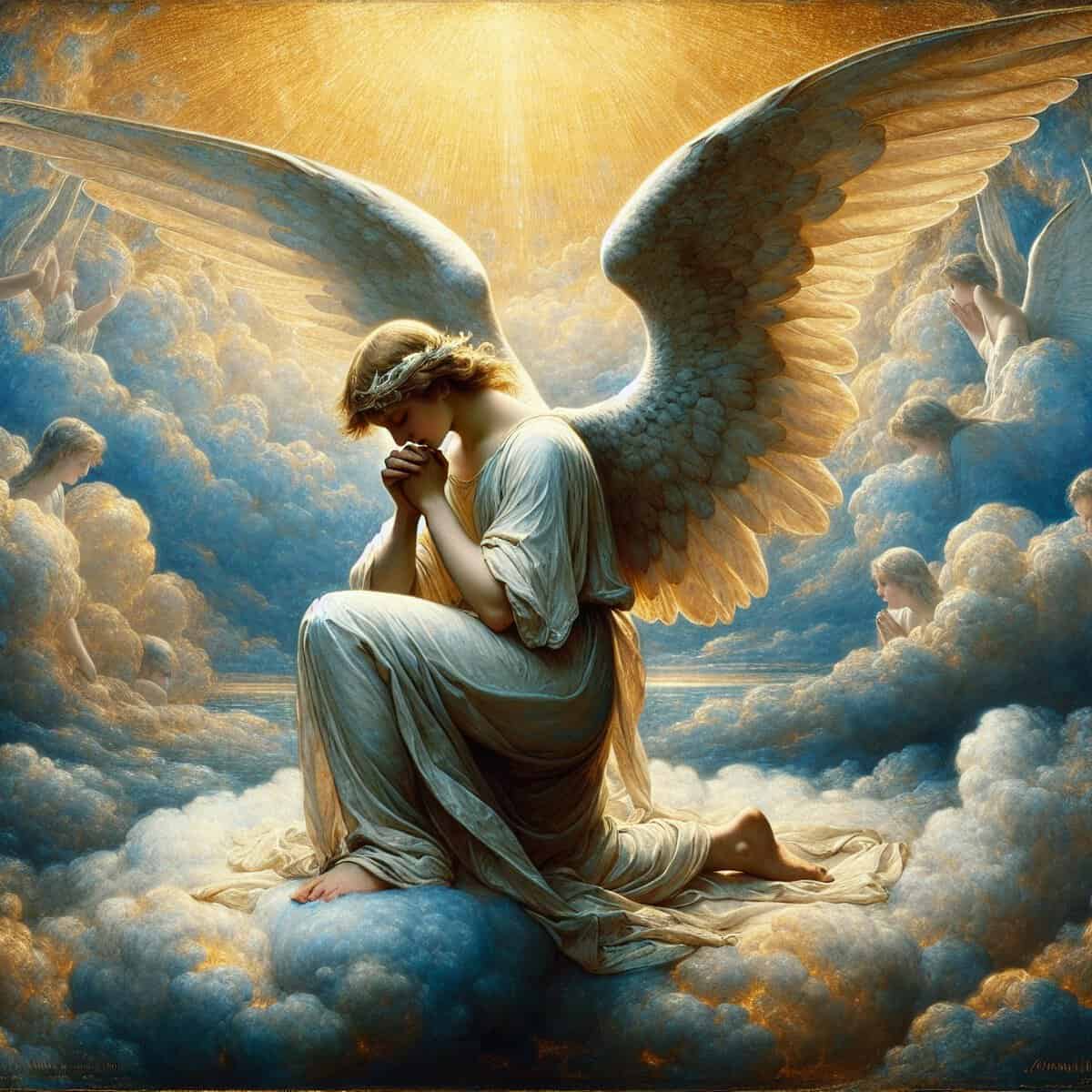
Although Sandalphon is primarily known as the Angel of Prayer, many modern spiritual traditions also associate him with gratitude.
Prayer often focuses on requests, worries, or hopes for the future. Gratitude introduces another important dimension.
Taking time to appreciate blessings, opportunities, relationships, and simple moments of joy can change how people experience daily life.
Many spiritual practices encourage balancing requests with thankfulness. Sandalphon’s symbolism fits naturally within this idea.
He represents not only prayers for help but also prayers of appreciation. Expressions of gratitude can sometimes strengthen resilience during difficult periods.
For many believers, gratitude itself becomes a form of prayer. Sandalphon’s symbolism encourages people not only to ask but also to notice and appreciate.
6. He Represents Reflection and Intentional Prayer

Many people pray automatically, repeating familiar words without much attention. Sandalphon’s symbolism encourages a slower and more thoughtful approach.
Intentional prayer involves honesty, reflection, and awareness. Rather than speaking quickly out of habit, it invites people to consider what truly matters to them.
What are they grateful for? What guidance are they seeking? What kind of person are they trying to become?
These questions often lead to deeper conversations, whether directed toward God, explored through journaling, or considered quietly in moments of solitude.
Reflection has always played an important role in spiritual life. Many traditions encourage regular self-examination and contemplation.
Sandalphon’s connection with prayer naturally extends to these practices. Meaningful prayer often begins with meaningful reflection.
The process can reveal fears, hopes, priorities, and values that busy routines sometimes hide.
7. His Story Highlights the Importance of Being Heard
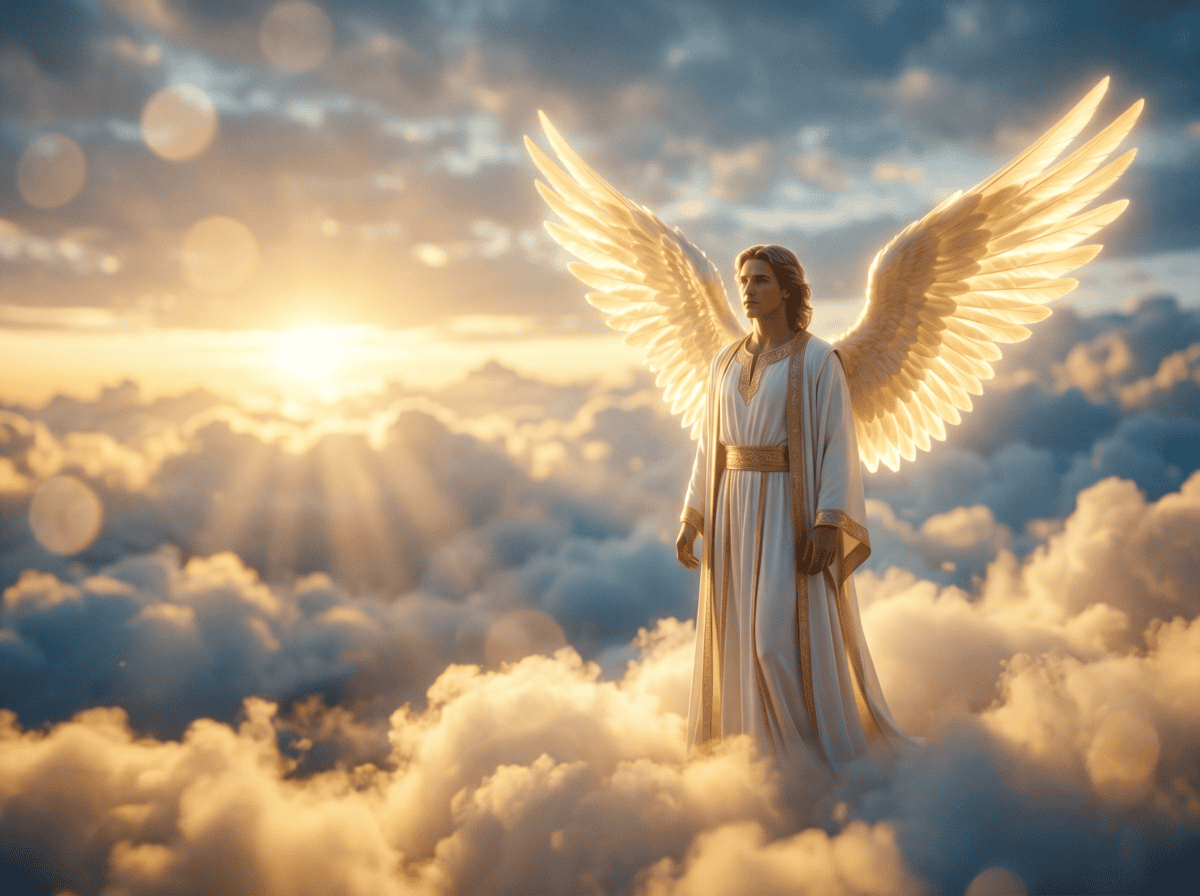
One reason Sandalphon continues to resonate with people is because he represents something deeply human.
The desire to be heard. Every person wants to believe that their fears matter, their hopes matter, and their struggles matter.
Prayer often reflects this need for connection and understanding. The image of an angel carrying prayers upward addresses this longing directly.
It reassures believers that their words do not disappear into silence. Even people who approach the idea symbolically rather than literally often appreciate the message behind it.
Speaking hopes and worries aloud can itself be healing. Putting feelings into words creates clarity.
Sharing concerns can reduce isolation. Expressing gratitude can improve perspective.
The act of prayer changes the person praying as much as it changes anything else. Sandalphon symbolizes this process beautifully.
8. His Greatest Symbol May Be the Connection Between Heaven and Earth

Perhaps the most powerful aspect of Sandalphon’s symbolism is his role as a bridge. Many traditions describe him standing between earthly life and heavenly reality.
He connects ordinary experiences with spiritual meaning. This idea extends far beyond formal prayer.
Acts of kindness, moments of gratitude, music, reflection, and compassion can all become forms of connection with something greater than ourselves.
Sandalphon reminds people that spiritual life does not exist only in temples, churches, or sacred texts. It can appear in everyday moments as well.
A quiet expression of thanks. A sincere apology. A hopeful prayer spoken before sleep. A song sung during difficult times.
These ordinary moments often carry extraordinary meaning.
The image of Sandalphon carrying prayers upward encourages people to believe that small acts of faith and sincerity matter.
No prayer is too small. No gratitude goes unnoticed. No sincere hope is ever wasted.

I always felt a strong connection to the Divine since my birth. As an author and mentor, my mission is to help others find love, happiness, and inner strength in the darkest of times.