
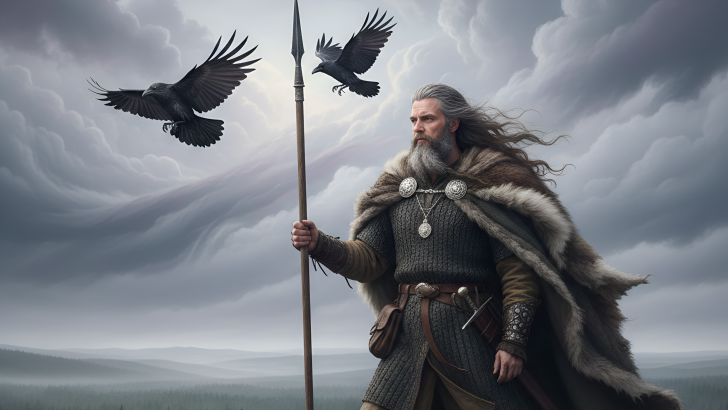
Before the name Odin became widely known in Norse mythology, earlier Germanic tribes worshipped a powerful god called Woden.
He was a mysterious and complex figure connected to wisdom, war, magic, and the spirit world.
Over time, the image of Woden developed and evolved into the Odin found in later Viking stories.
Understanding Woden helps reveal how ancient beliefs changed as cultures moved and traditions blended.
He was not just a warrior god but a spiritual leader, a seeker of knowledge, and a guide of souls.
These ten facts explain who Woden was and how he became one of the most important gods in early northern European belief.
1. Woden Was the Early Germanic Form of Odin
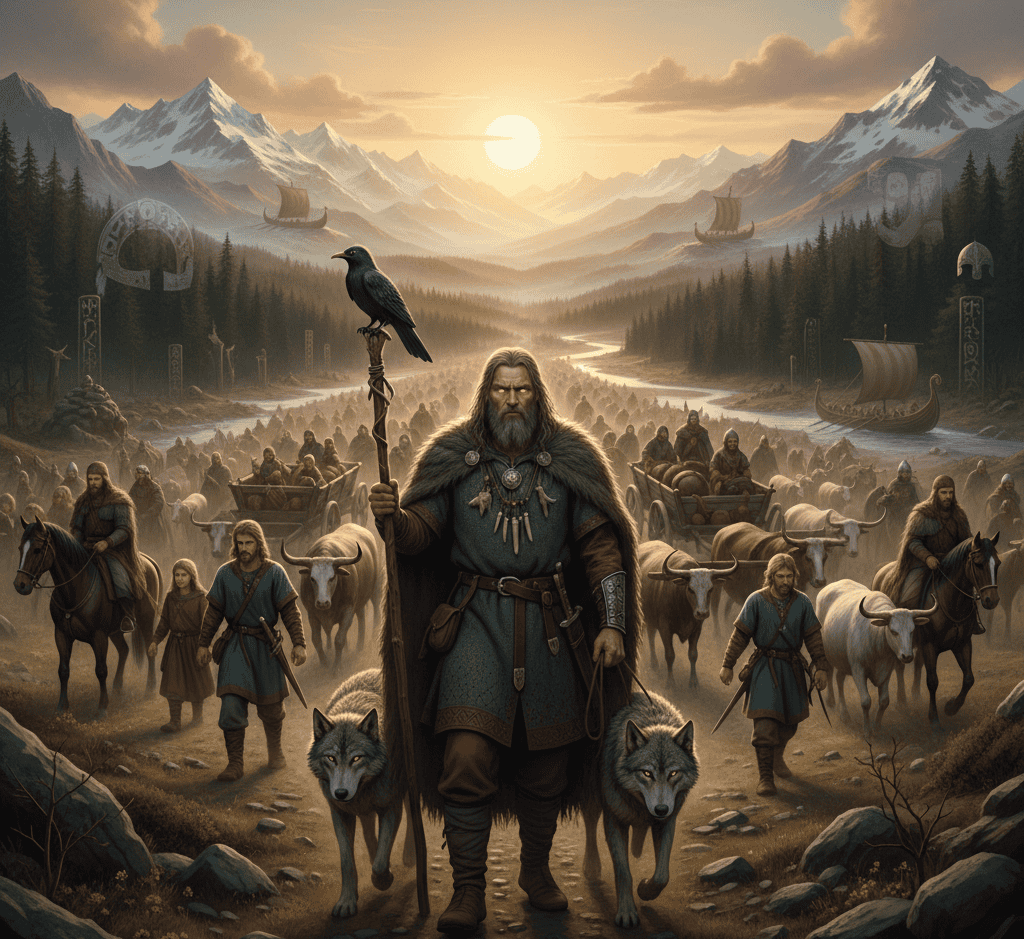
Woden was worshipped by early Germanic tribes long before the Viking Age began.
As these tribes migrated and their cultures developed, the name and stories gradually changed.
In Scandinavia, Woden became known as Odin, but many of his main traits remained the same.
He was still connected to wisdom, magic, poetry, and war. Linguistic differences between regions explain the name change, but the core identity of the god stayed strong.
Studying Woden shows that Odin did not suddenly appear in mythology but grew from older traditions that were shared across northern Europe.
2. His Name Means Fury or Inspiration
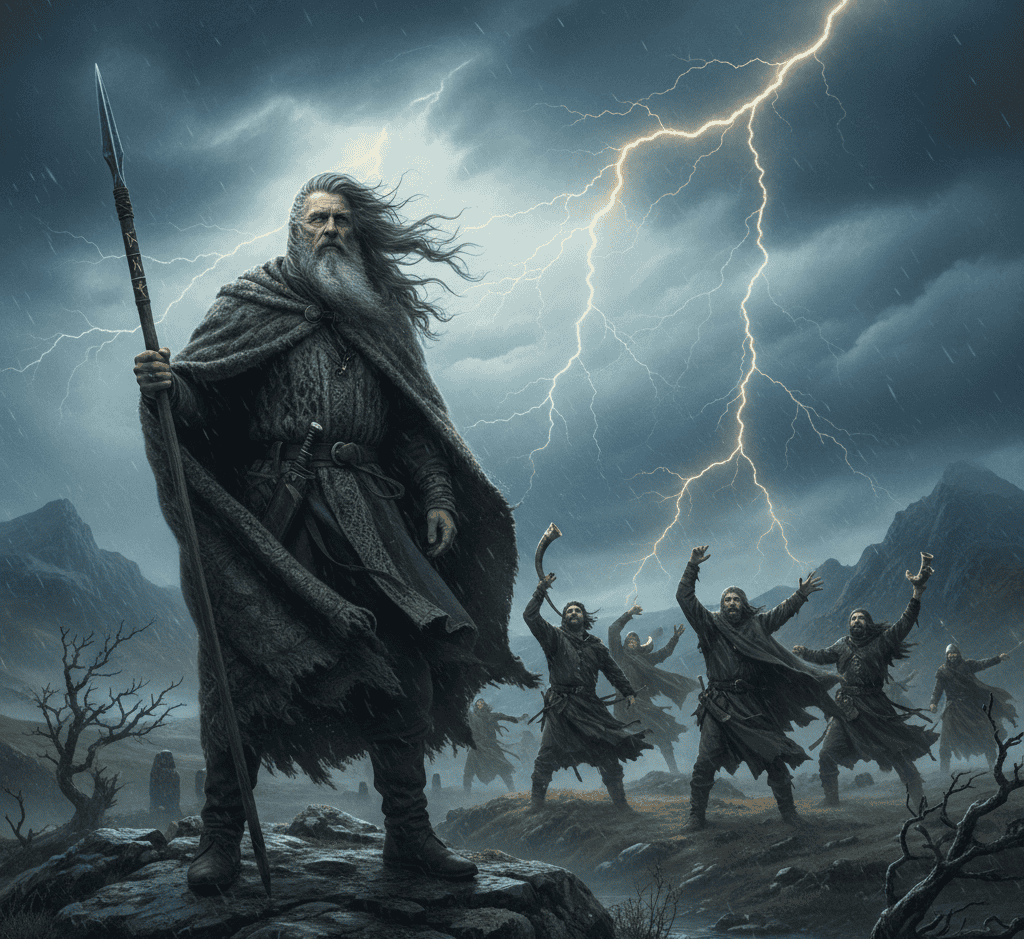
The name Woden comes from a word that refers to intense energy, inspiration, or sacred fury. This meaning reflects his powerful and unpredictable nature.
He was seen as a god who could inspire warriors in battle but also poets, shamans, and leaders.
This connection between divine madness and creativity was important in Germanic belief. People thought true wisdom or artistic talent sometimes came from a higher, overwhelming force.
Woden represented this mysterious energy that could bring both greatness and danger, making him one of the most complex and respected figures in early mythology.
3. He Was a God of Both War and Wisdom
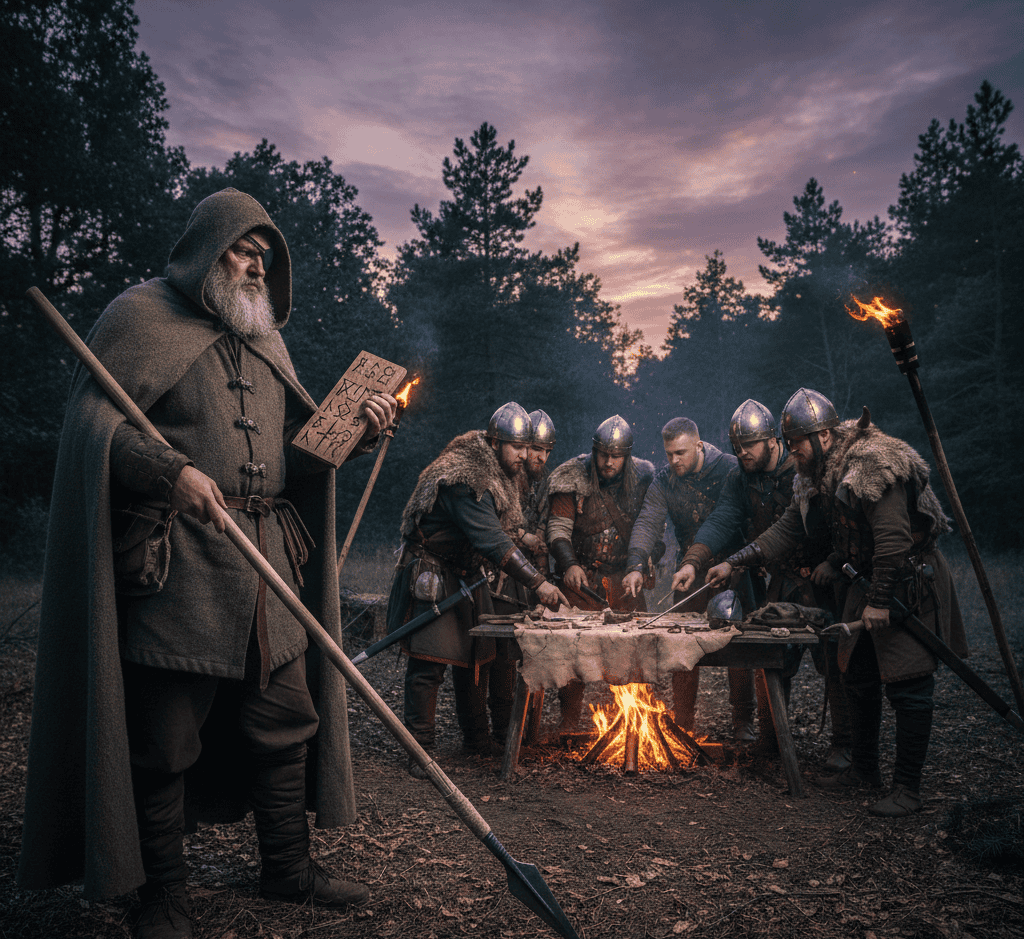
Unlike simple war gods who focused only on strength, Woden was associated with strategy, knowledge, and spiritual power.
Warriors prayed to him not just for victory but for clever planning and courage. He was believed to guide the outcome of battles and choose which warriors would fall.
At the same time, he was deeply connected to learning, secrets, and hidden knowledge.
This combination made him both feared and respected. His followers understood that true power came not only from force but also from intelligence and insight in difficult situations.
4. Woden Was Linked to Magic and Shamanism
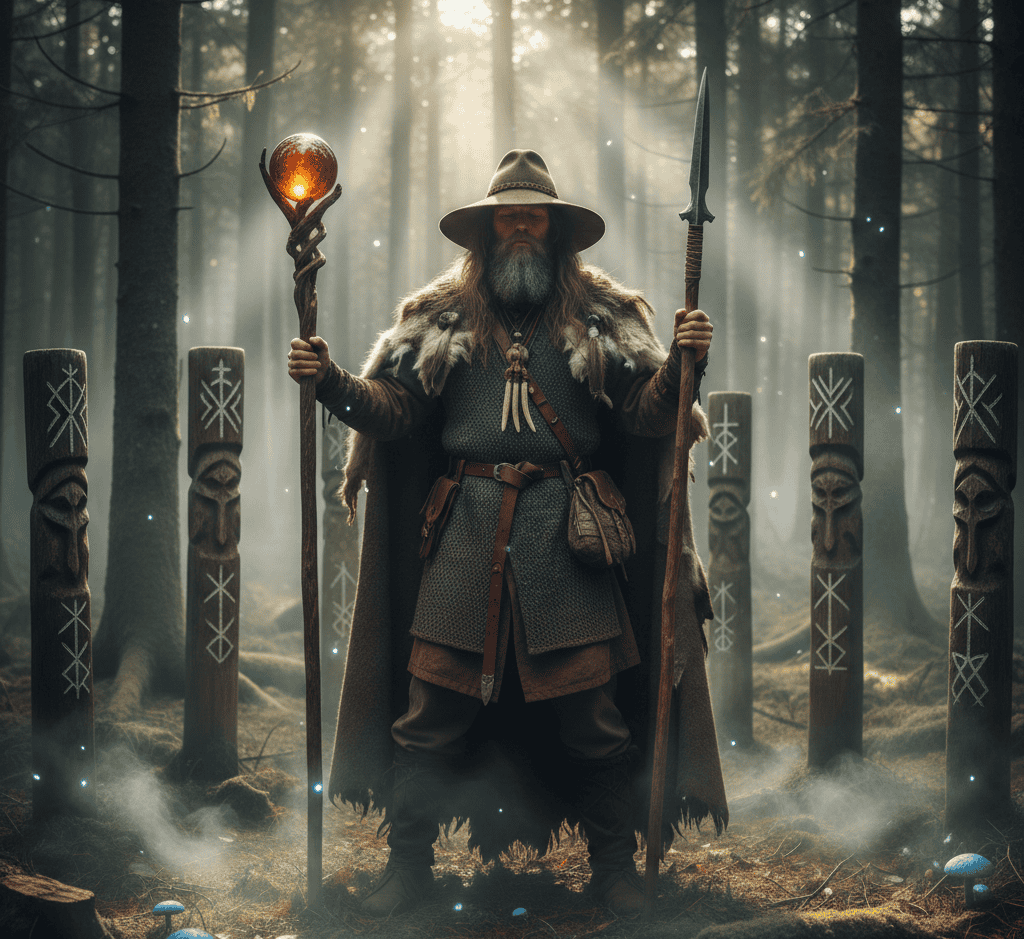
Early traditions describe Woden as a master of magical practices and spiritual journeys.
He was believed to travel between worlds, speak with spirits, and gain knowledge from supernatural sources.
These abilities connect him to ancient shamanic traditions found across northern cultures.
He practiced forms of magic that involved chanting, symbols, and altered states of awareness.
This spiritual role made him more than a war god. He was seen as a guide who understood the hidden forces of the universe and could move between the physical world and the unseen realms.
5. Wednesday Is Named After Him
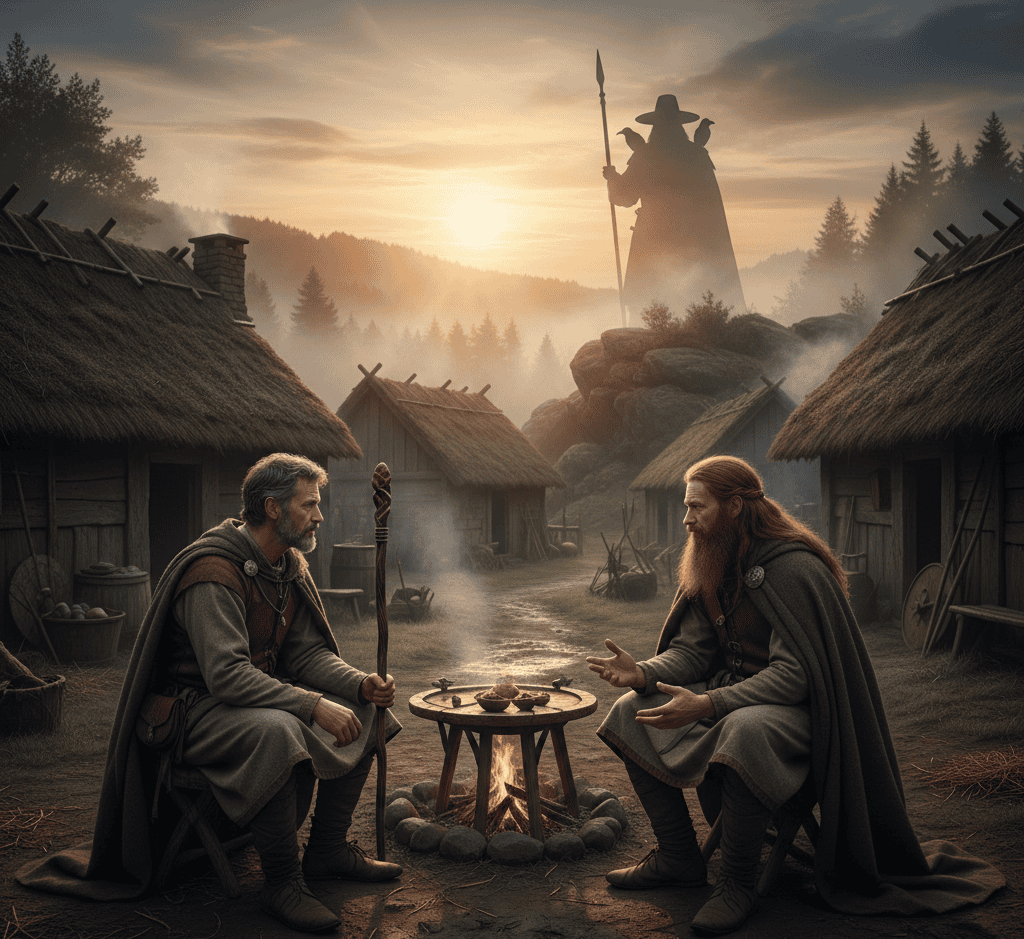
One of the clearest signs of Woden’s importance is found in the modern week.
The English name Wednesday comes from Old English Wodnesdaeg, which means Woden’s day.
This naming shows how deeply his worship was rooted in early Germanic culture.
When Germanic tribes settled in Britain, they brought their gods and traditions with them.
Even after Christianity spread and old religions faded, the name remained. Today, people still use his name every week without realizing it, a small reminder of how long his influence has lasted.
6. He Was a Leader of the Dead
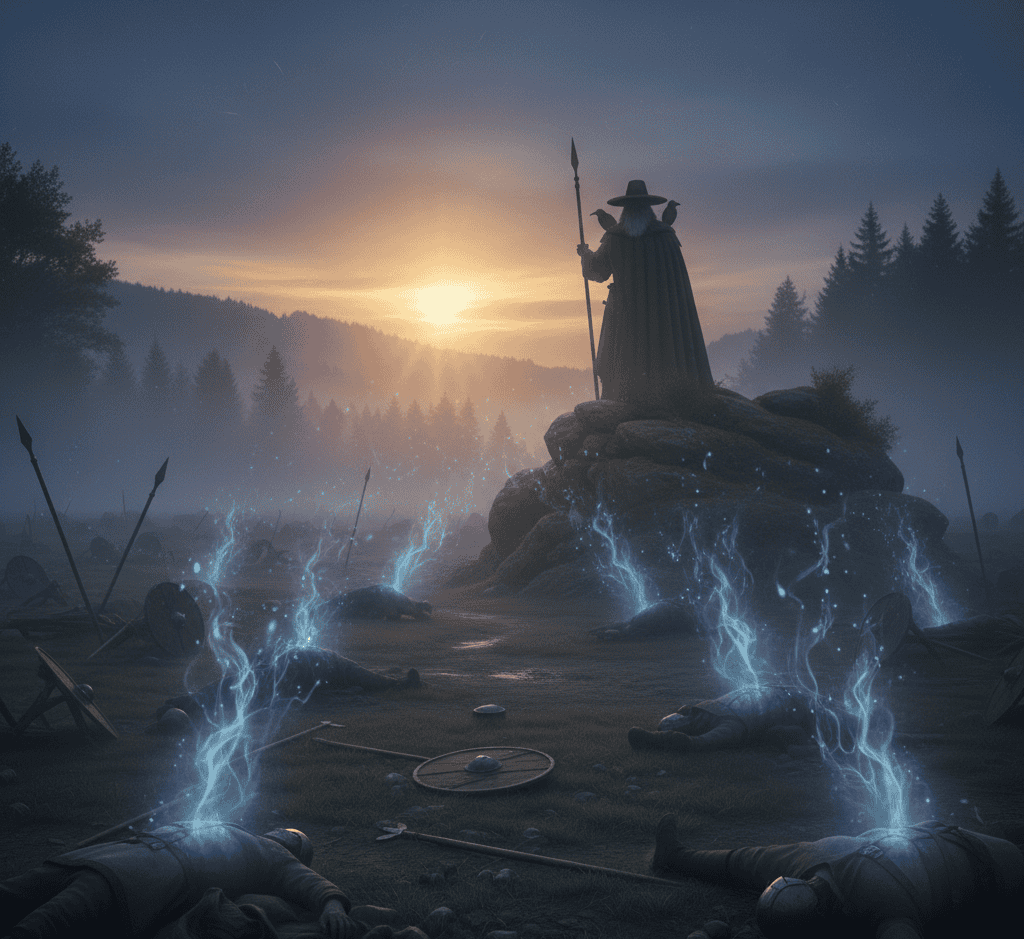
Woden was believed to guide the souls of fallen warriors to the afterlife. This role later became associated with Odin and the hall of Valhalla, but the idea began in earlier traditions.
He was seen as a god who moved between life and death and who chose those worthy of honor after battle.
This connection to the dead gave him a mysterious and powerful reputation.
People believed he walked among spirits and could lead ghostly armies through the night, a belief that later developed into stories of the Wild Hunt.
7. He Was Worshipped by Kings and Warriors
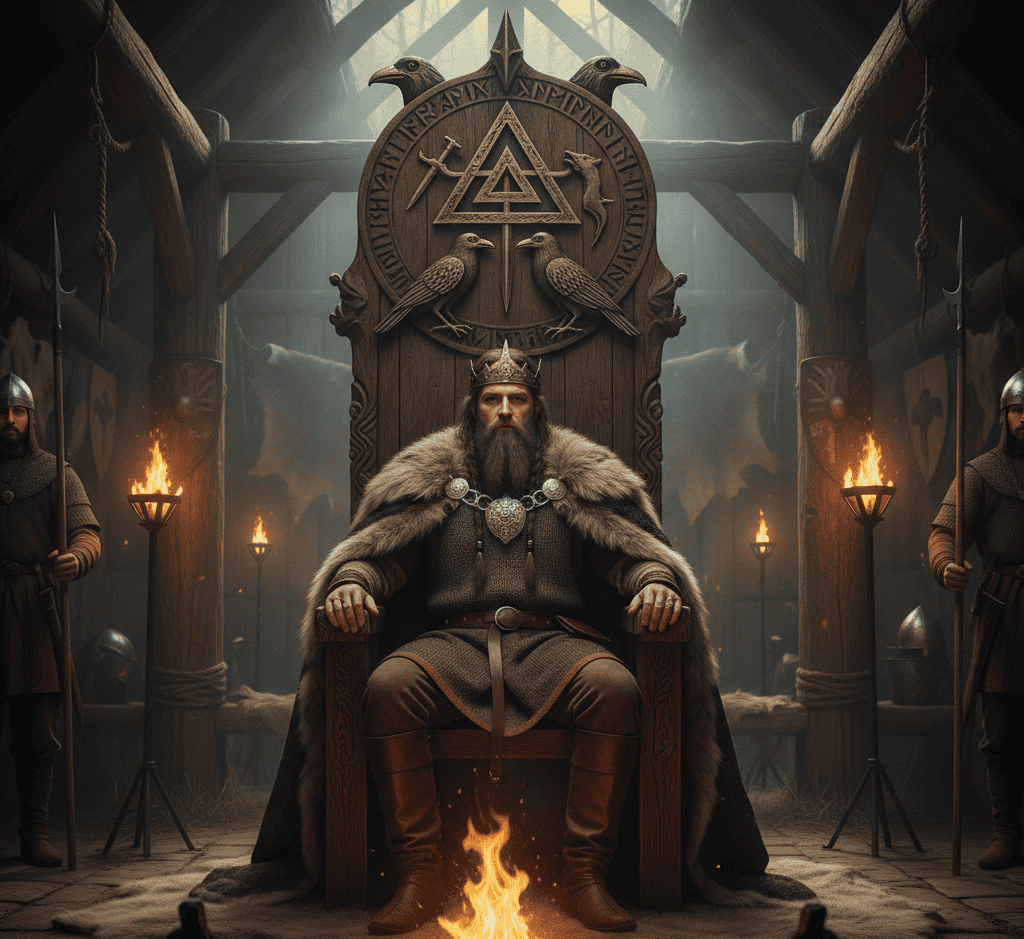
Woden was especially important to rulers and military leaders. Many royal families claimed descent from him to strengthen their authority and divine right to rule.
By linking themselves to Woden, kings presented themselves as chosen by a powerful and wise god.
The Warriors also saw him as a protector and guide in battle. His support was believed to bring victory, courage, and honor.
This strong connection to leadership and warfare made him one of the most politically important gods in early Germanic society.
8. Animals Like Ravens and Wolves Were Connected to Him
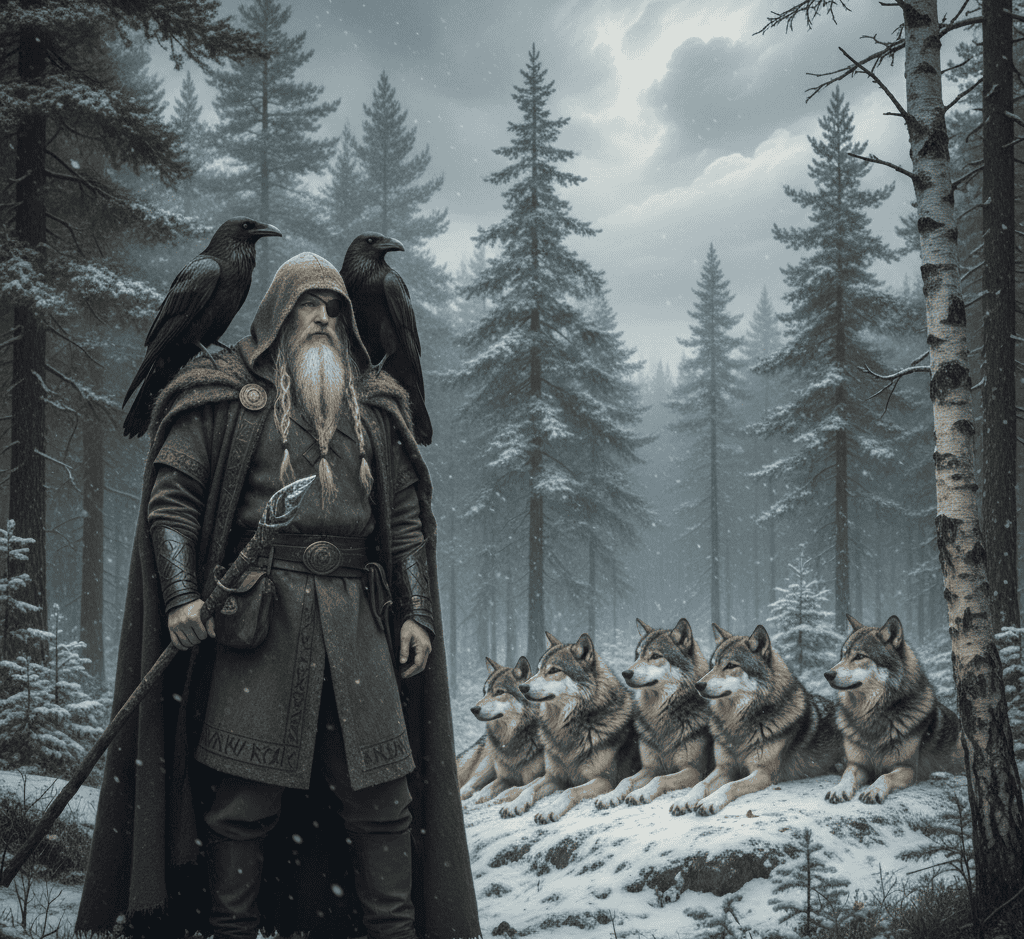
Woden was often associated with animals that symbolized intelligence, survival, and the battlefield.
Ravens were especially important because they were seen as watchers who gathered information.
This idea later became the famous ravens of Odin in Norse myth. Wolves were also linked to him because of their strength and connection to war.
These animals reflected his nature as a god who understood both wisdom and conflict. Their presence in early art and stories shows how symbols helped people imagine his power and personality.
9. His Stories Were Passed Down Orally
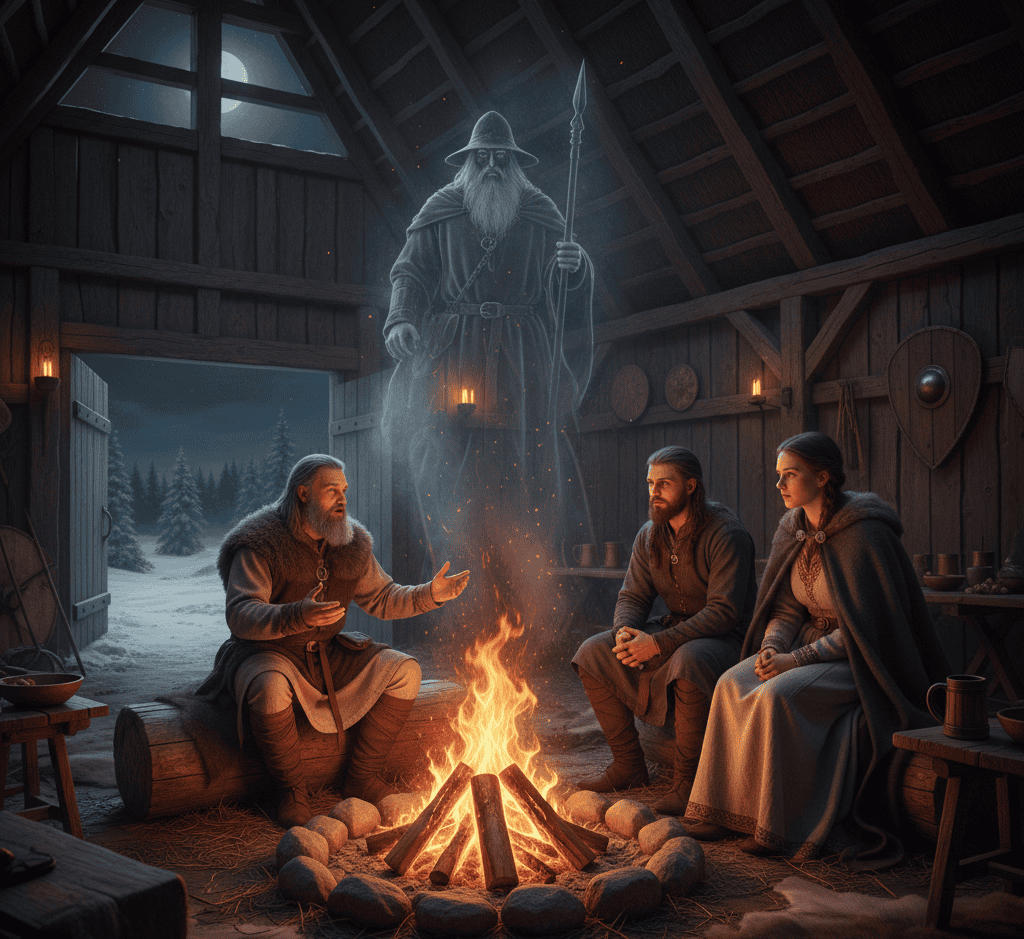
Most early information about Woden comes from later writings because the original Germanic tribes relied on oral tradition.
Stories, songs, and poems were shared by memory rather than written down. This means his myths likely changed over time as different groups added their own details.
By the time they were recorded, many elements had already blended into the later figure of Odin.
This oral history explains why Woden sometimes appears less clearly in early sources but still plays a major role in the development of northern mythology.
10. He Shows How Mythology Evolves Over Time
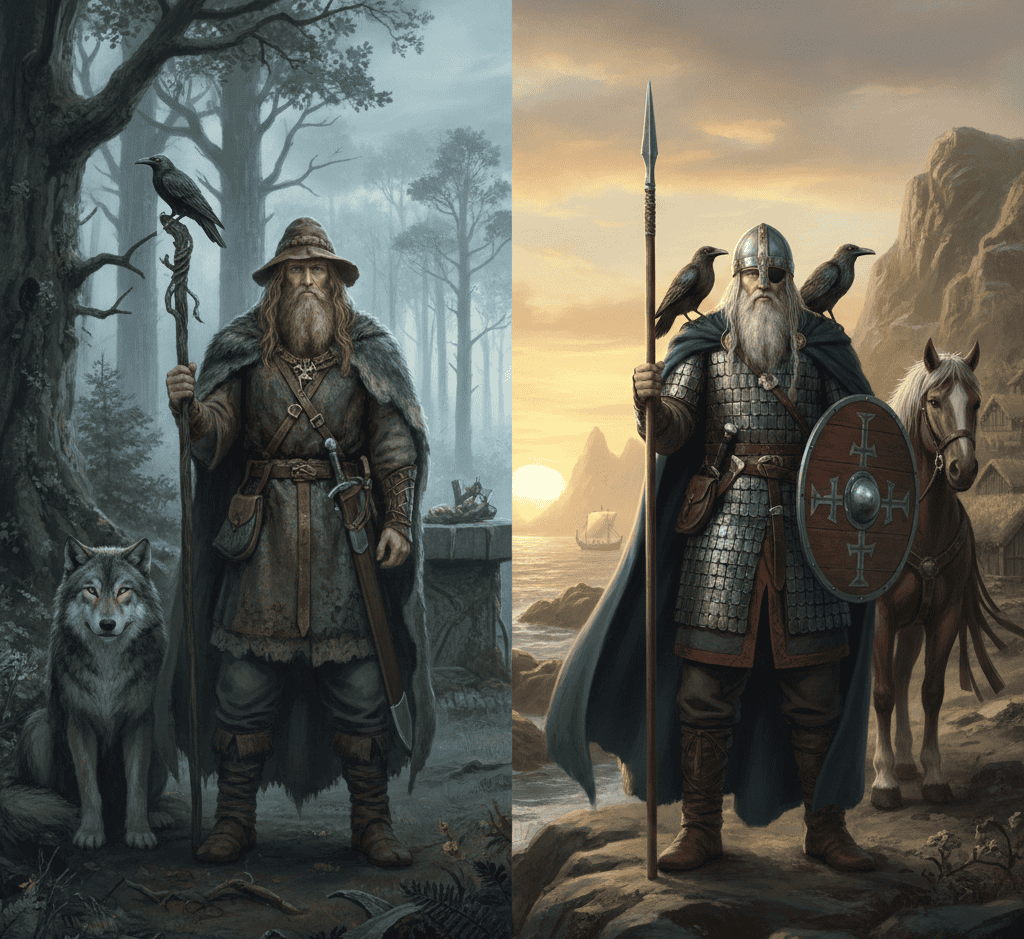
Woden’s transformation into Odin is a powerful example of how religious ideas change as cultures move and interact.
As Germanic tribes settled in new regions and formed new societies, their gods adapted to new languages and traditions.
Some traits became stronger, while others changed or disappeared. Instead of being replaced, Woden evolved into a new form that fit the Viking world.
His story shows that mythology is not fixed but grows with the people who believe in it, preserving ancient roots while creating new meanings for each generation.

Ho sempre sentito una forte connessione con il Divino fin dalla mia nascita. Come autrice e mentore, la mia missione è aiutare gli altri a trovare l'amore, la felicità e la forza interiore nei momenti più bui.