

A narcissist behaves strangely around their children in this subtle way that many people don’t immediately catch.
It’s a tone that doesn’t match the situation and a look in their eyes.
They don’t just see a child; they see competition.
Here are 5 weird narcissistic behaviors that can make children anxious and impact their behavior.
1. Jealousy
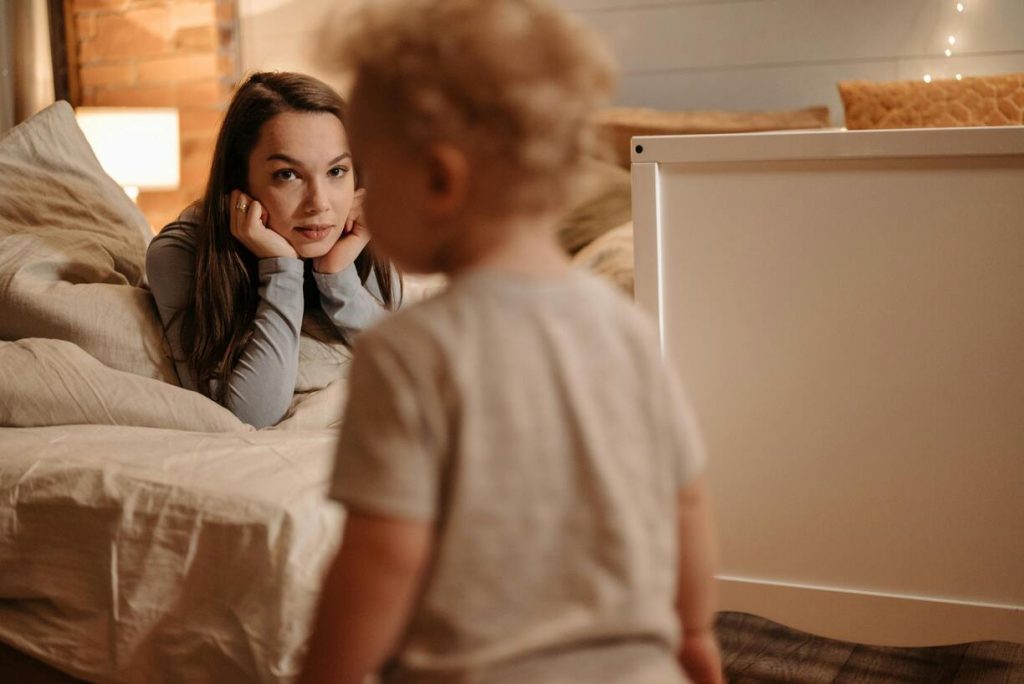
You’d think every parent would want their child to enjoy all the attention and success they can, but not a narcissist.
Many of them compulsively compete with their children.
Any attention that the child might get is the attention that they were robbed of.
In this environment, a child quickly learns that standing out troppo isn’t good. They understand that being better than their parent in any way isn’t emotionally safe.
Milestones, grades, awards… All of it has to revolve around the narcissistic parent.
Sadly, the child is then forced to be the grown-up. They shrink themselves and stop trying too much in order to keep the peace.
This ruins their self-esteem from the very beginning.
2. Kids = Trophies

If a child is allowed to excel and stand out, a narcissistic parent always finds a way to make it all look like their personal success.
Good grades and talents become proof of the parent’s greatness, not the child’s hard work.
These are the parents who enroll their child in a bunch of fancy activities, never letting them actually have a childhood.
They just want the bragging rights.
At the same time, their affection, anything beyond basic nurture, comes with a price: make me proud, or you’re worthless.
The kid is a way for a narcissist to improve their image.
This is the textbook definition of conditional love, and it messes people up for life.
3. Parentification
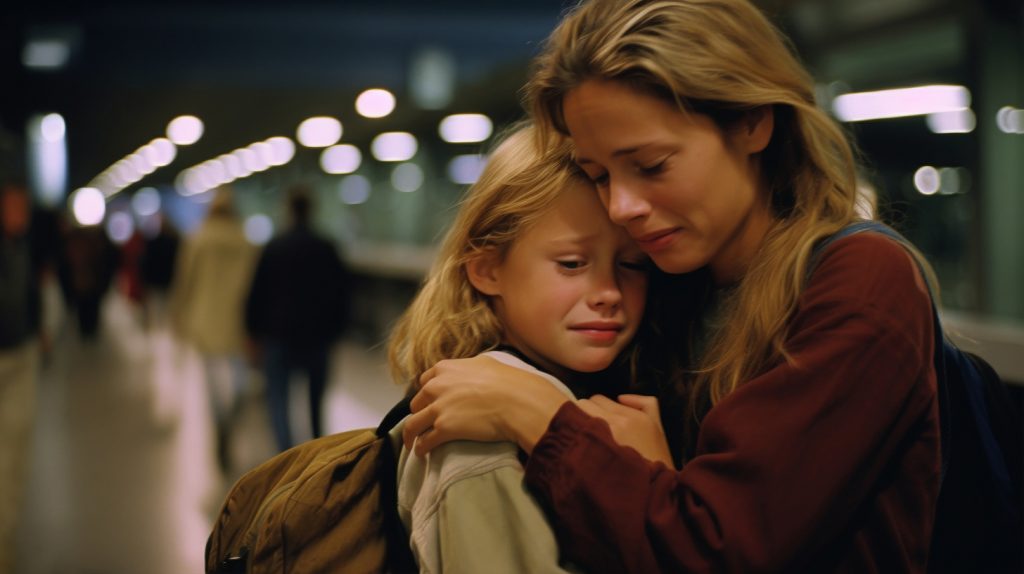
Narcissists can’t stand boundaries in any relationship, and this goes for the one they have with their own children, too.
The children are robbed of the carelessness they deserve to experience at that age.
Instead, they have to play the role of a therapist, a best friend, or even a stand-in partner.
Long before they’re equipped with the maturità emotiva to handle these issues, they’re forced to worry about money and their parents’ marital issues.
If the child doesn’t deliver enough comfort and care, they’re made to feel responsible for the parent’s feelings.
This way, many kids learn that their needs should come in secondo, and sadly, that’s how they approach all of their future relationships.
Parentification is a sign of complete failure on the parent’s part.
4. Discouraging Independence

Most parents can’t wait to see how their children are going to grow up and develop a unique personality. Not narcissists.
They introduce a sense of ownership into the relationship since, to them, the child is merely an extension of themselves.
They punish independence.
If a child tries to have their own style or have personal boundaries, the parent loses it.
Any sign of individuality can trigger rage, silent treatment, guilt, etc. Whatever works.
This way, the child learns that being themselves at home is dangerous.
They give in to the parent’s wishes until they’re old enough to leave.
Either way, not having the right to their own identity affects them well into adulthood.
5. Emotional Abuse

In a healthy home, the parent protects the child. With narcissists, the whole thing gets flipped on its head.
They expect their children to anticipate their needs and soothe their temper.
The child has to do the caring and the comforting, which is completely unnatural.
This is how people grow up to believe that love needs to be earned through service and submission.
They lose their childhood in this attempt to manage an adult’s emotions.

A little Aquarius, devoted to writing and embroidery. Through my writing, I hope to empower readers to align with their true selves and navigate life’s mysteries with confidence.