
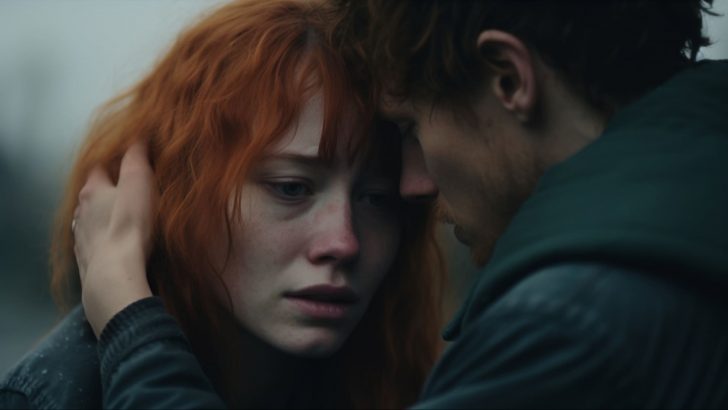
First loves rarely work out, but they leave behind memories that you can cherish for the rest of your life. At least they used to.
The love stories our parents and grandparents describe sound nothing like what young people experience today.
They fall in love, and they’re changed through it, too, but the dynamics e il psychological impact are completely different.
In 2026, your first time doesn’t just break your heart; it breaks your ability to believe in love.
1. The First Love We Still Dream Of

The first love of the older generation had something going for it, even when it ended in heartbreak: it was real on both ends.
Two people fell for each other, but it was typically family, society, distance, or life circumstances that kept them apart.
The problems came from the outside, but what the two of them had was genuine and real.
That’s what makes these stories worth telling decades later.
You could put your grandchildren to sleep with the story of how your first love had to move away with his family, and you never saw him again.
These stories are sad, but they also carry dignità and beauty.
2. What It Looks Like Today

I say 2026, but first loves have been developing this way for decades now.
One person falls hard and fast, while the other is just going through the motions, out of boredom or surface-level attraction.
The first person is rearranging their entire life around this new connection, while the other can’t be bothered to text back every time.
If you were ever the first person, then you know how things go from here. You start to obsess over every little thing they say, looking for any hint that they might care.
Meanwhile, the person you love keeps their options open, never in a rush to offer reassurance.
Frankly, it’s embarrassing, but you can’t see it because you’re busy trying to be the kind of person they could love.
3. What Are We?

This dreaded topic ended so many situationships, which isn’t a bad thing, but it usually takes people months to bring it up.
In the past, going on a couple of dates and sharing a kiss made a relationship official.
Now? You can spend months dating and sharing someone’s bed, maybe even living together, and you still might not be sure if you’re committed to each other!
So, you feel a burning need to set things straight and finally ask them, “What are we?” but deep inside, you already know you won’t like the answer.
Il squilibrio is obvious simply by the fact that you feel the need to define your relationship, while the other person prefers the ambiguity.
Persone waste years on a first love that was only real for them.
4. The Jaded Generation

When your first significant experience with love is one-sided and undefined, you come out of it not just sad, but suspicious.
You come out of the first love with a set of conclusions about love and vulnerability that will continue to impact your future relationships for years to come.
You become someone who doesn’t want to catch feelings before they know the other person’s intentions, and this can limit your options.
Sadly, it can also push away some great people.
You become someone who performs indifference as self-protection. Ironically, you might even become the person who insists on keeping things casual!
But none of this is irrational. These are all natural responses to being emotionally humiliated.
5. The Ambiguity of Modern Dating

Deliberate ambiguity didn’t exist in the first love of the past.
Never in history was it acceptable for a couple to talk every day, sleep together, confide in each other, but still act like none of it means anything.
Questo è our new normal.
Modern dating culture created this dynamic where you maintain constant low-level contact without ever having to define what that contact means.
You can’t go forward and define it, and you can’t leave either, because you’re emotionally invested.
In this kind of dynamic, the one who cares di più suffers di più.
Ambiguity protects the person who’s less invested and exposes the one who cares, every single time.
6. The Confusion That Breaks You
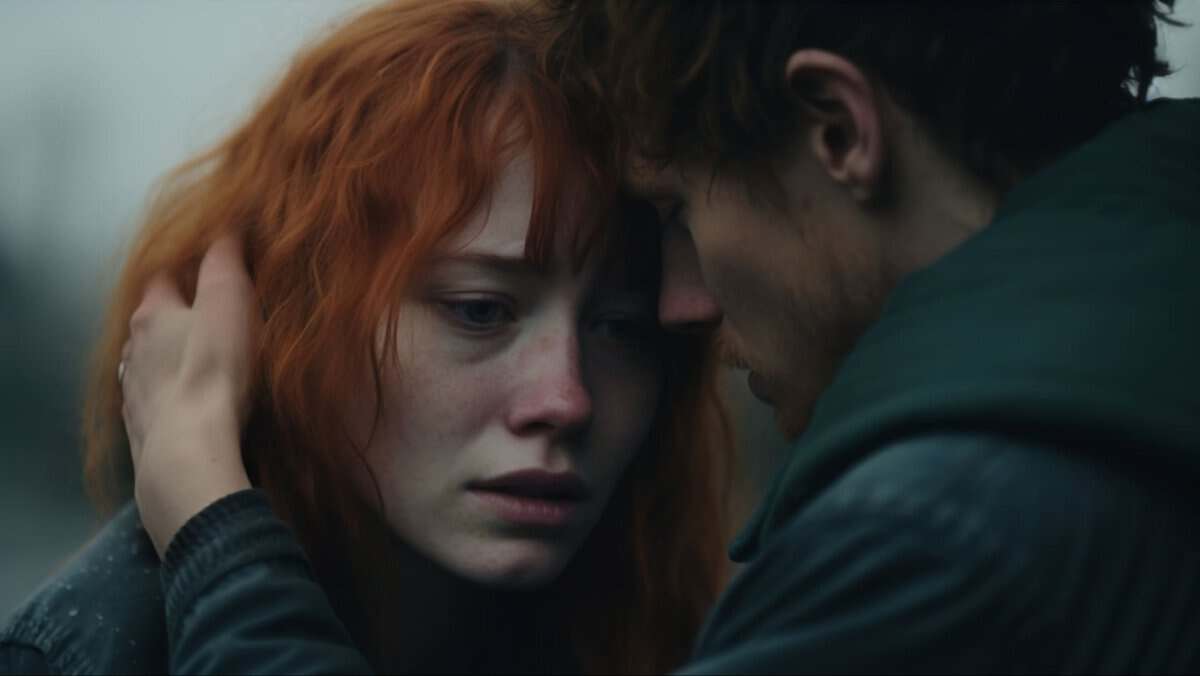
The worst part of the modern first love isn’t even the ending. It’s the period before the ending.
During that time, you genuinely don’t know what’s real. You’re deeply invested in something that has no definition, giving it your all to stay hopeful.
At the same time, your self-esteem endures a massive hit because you can see that you’re the only one suffering.
And just when you think you’ve had enough and want to end things right then and there, they say something that sounds meaningful. Or they look at you a certain way.
This confusion exhausts you and makes you feel helpless.
It takes some time for the reality to hit you, but when it does, you find out that the whole thing wasn’t only heartbreaking, but humiliating.
7. What You Tell People

While our elders could comfortably speak of their first loves in front of the whole family, our modern experience forces us to keep secrets.
Only a couple of your most trusted friends know how it all went down, and even that is because they’ve been with you through it all, reading the confusing messages and watching you fall apart.
You can’t open up about your first love because the story isn’t that you just lost something. It’s that you were wrong about everything you thought was happening!
Retrospectively, you see how obvious it was that the other person didn’t care, yet you were willing to give them everything.
Il truth is ugly and uninspiring, so we often keep it short by saying, “It just didn’t work out.”

A little Aquarius, devoted to writing and embroidery. Through my writing, I hope to empower readers to align with their true selves and navigate life’s mysteries with confidence.