
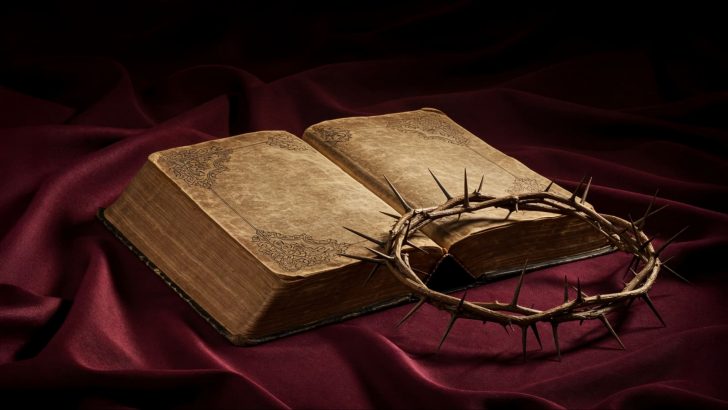
Most debates about religion eventually approach this problem.
Believers and apologists say we wouldn’t have the morals we have today without the Bible.
They claim that even people who reject Jesus still live by His moral law, because Western society rests on biblical values.
Atheists answer that morality and law existed long before any holy book was written, and that civilizations with no biblical foundation were never lawless or cruel by default.
So who’s right?
1. What Believers Actually Claim

Apologists say the Bible gave the West its core ideas: every human being has dignità because we’re made in God’s image.
The weak deserve protection, and rulers answer to a higher law.
Historian Tom Holland makes a version of this case in his book Dominion, arguing that even secular Westerners carry Christian assumptions without noticing.
Many Christians add that someone doesn’t have to believe in Jesus to live inside the moral world He shaped.
However, the phrase Judeo-Christian values only became popular in the 1930s and 40s, which tells you how recent the label is.
The real question isn’t whether the Bible influenced the West. Of course it did.
The question is whether those moral ideas started there, or whether the Bible inherited them from older systems.
2. Mesopotamia Wrote the Rules First
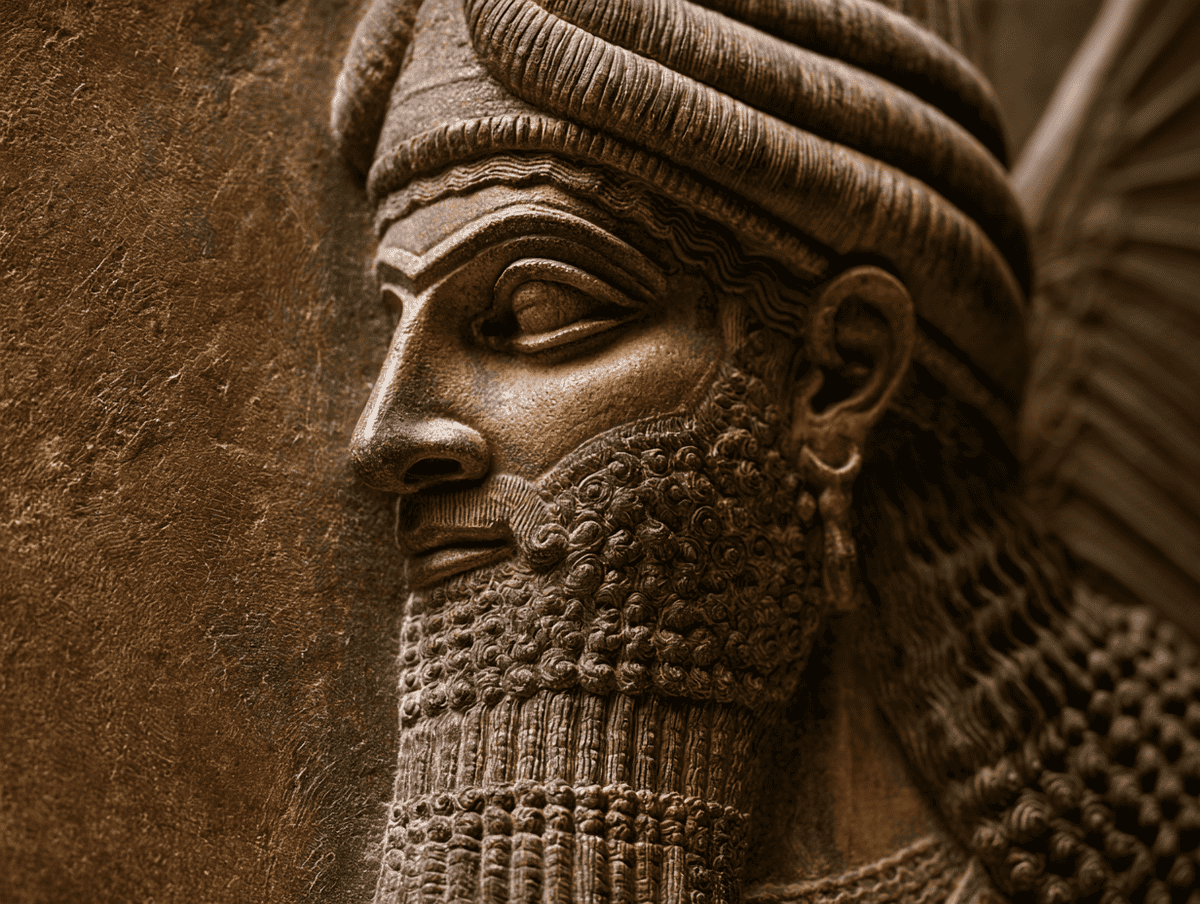
4,000 years ago, long before Moses, written law already existed in Mesopotamia.
Il Code of Ur-Nammu, from roughly 2100 BC, is the oldest known law code. It punishes murder, adultery, and false testimony, and it sets fines instead of brutal punishments for many wrongdoings.
Its prologue brags that the king shielded orphans and the poor from the powerful.
Allora, Hammurabi of Babylon carved 282 laws into a stone pillar around 1754 BC.
His prologue says the goal was to keep the powerful from oppressing the weak.
These kings also claimed divine backing.
So, the pattern of moral law and gods who approve was already centuries old when the first verses of the Bible were written.
3. Egypt Judged the Soul
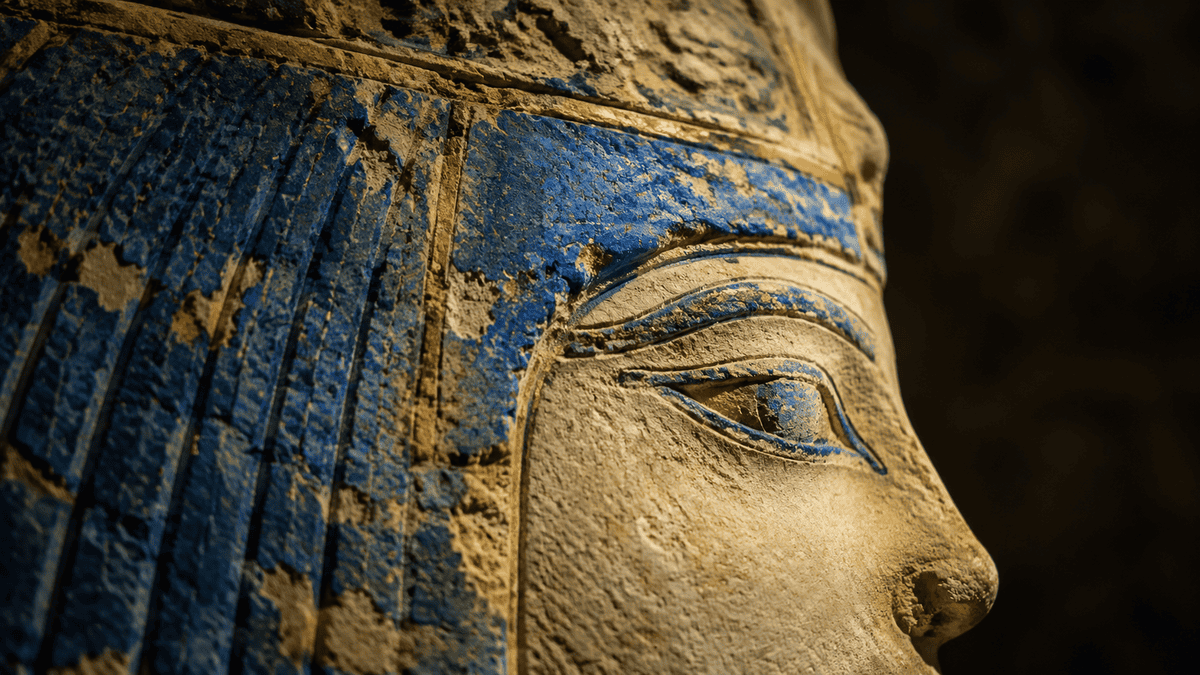
In ancient Egypt, morality was tied to the afterlife.
Egyptians lived by Ma’at, the principle of balance and justice, which was already central to royal ideology in the Old Kingdom, over 4,000 years ago.
By about 1550 BC, the Book of the Dead described a judgment after death.
Your heart was weighed against the feather of Ma’at, and Spell 125 had the dead person declare before 42 divine judges that they have not killed, stolen, or lied.
If the heart was heavy with wrongdoing, Ammit devoured it.
Egypt also gave us wisdom literature. Scholars widely note that the Egyptian Instruction of Amenemope closely parallels a section of Proverbs.
4. Before the Ten Commandments

The Ten Commandments ban murder, theft, adultery, and false witness, and they demand respect for parents.
Many of those rules already appear in Mesopotamian and Egyptian moral law.
The Covenant Code in Exodus has a law about an ox that gores a person, and it closely matches Hammurabi’s.
And Exodus 21:24 gives us an eye for an eye, a rule already written in Hammurabi’s code about 500 years before Moses.
Many historians think the Torah grew over centuries and reached its final form around the 6th to 5th century BC.
Its penalties could be harsh too, like stoning for breaking the Sabbath.
It’s clear that the biblical law rests on pre-existing set of morals.
5. Other Civilizations Didn’t Need the Bible

Here’s the part apologists tend to ignore: what about other ancient cultures?
Confucio taught his own version of the Golden Rule, telling his students not to do to others what they wouldn’t want done to themselves.
In India, early Buddhist teaching stressed compassion and nonviolence, and in the 3rd century BC, the emperor Ashoka carved edicts into stone urging honesty and tolerance.
In Greece, Socrate argued that doing wrong harms your own soul.
Rome wrote its Twelve Tables of law around 450 BC, centuries before Christianity existed.
Persian Zoroastrians summed up ethics as good thoughts, good words, and good deeds.
Even primates show a sense of fairness, as primatologist Frans de Waal showed in his experiment.
None of these cultures relayed on the Bible, yet each shows moral instincts.
6. Rome Prepared the Ground for the New Testament

The New Testament and its morals were born inside the Roman Empire.
It was written in Greek, the common language at the time, and early Christian letters traveled along Roman roads.
Paul was a Roman citizen from Tarsus.
The household rules in Colossians and Ephesians closely resemble Greco-Roman advice on running a household.
Roman philosophers like Seneca were already teaching that slaves are human beings.
Constantine backed tolerance for Christians with the Edict of Milan.
Emperor Theodosius made Christianity the empire’s official religion, and Justinian’s Roman law code carried legal ideas into medieval Europe.
Bishop Athanasius of Alexandria listed the 27 New Testament books we know today.
Rome shaped how the New Testament sounded and spread.
7. What the Bible Truly Added
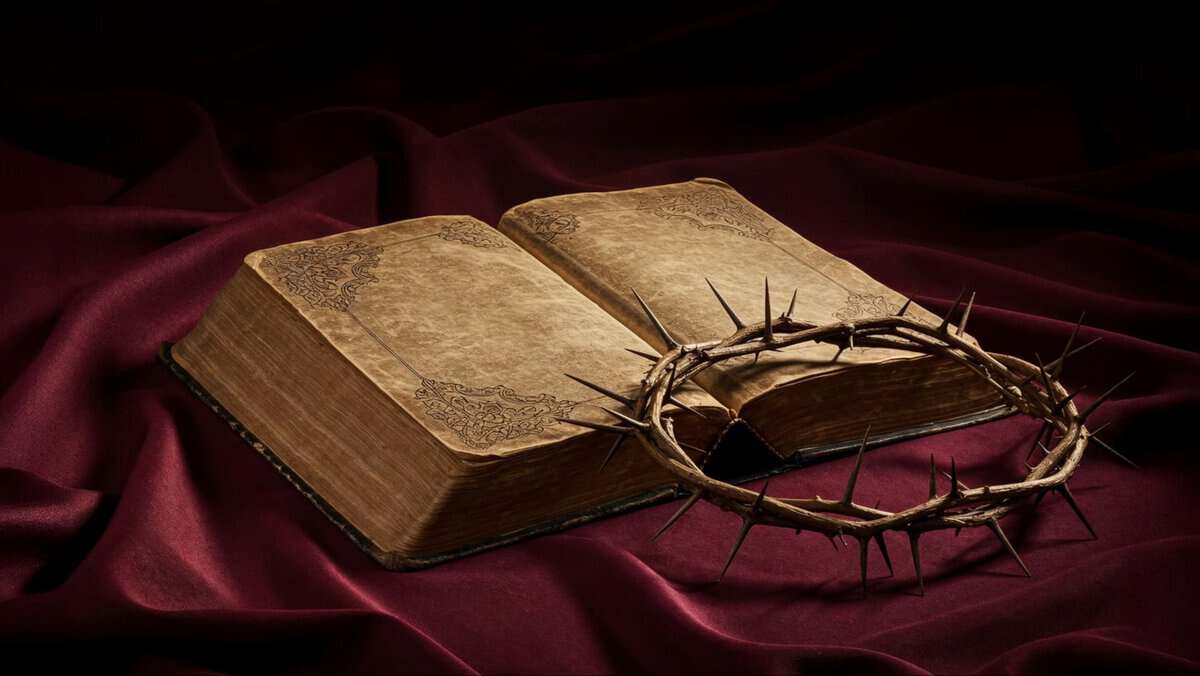
To be fair, the Bible is extremely significant, and often, believers point to real innovations found in its pages.
Genesis says every human, male and female, is made in God’s image, an idea that suggests equality.
Leviticus 19 tells farmers to leave the edges of their fields for the poor and commands love for the neighbor and the foreigner.
The prophets, like Nathan and Amos, scolded kings and elites in God’s name.
The Sabbath gave even slaves a day of rest, and Jesus pushed further with Matthew 5:44, where He tells us to love our enemies.
Historians also note that early Christians cared for the sick during plagues, including the one that hit Carthage around 250 CE.
Still, the same book regulates slavery, as in Leviticus 25 and Ephesians 6.
Abolitionists and slaveholders both quoted scripture to defend their cause.
So, while the Bible sharpened some moral ideas, it also carried the issues of its time.
8. The Real Achievement

The biggest achievement of the Bible wasn’t inventing morality. It was gathering it.
The Bible is a library of books written over roughly a thousand years, and contains ethics, law, poetry, and history.
Then it added divine authority.
Mesopotamian kings claimed divine approval, but the prophets announced “thus says the Lord!”
This turned rules into commands from the creator of the universe.
Daniel speaks of resurrection and judgment, and the New Testament paints heaven and hell vividly in Matthew 25 and Revelation.
Egypt had judgment too, but the shape of it is new. There’s one all-seeing God who watches even secret thoughts.
A crime became a sin, and sin carried eternal consequences.
The Bible gave moral law a weight that no king or senate could match.
9. Who Gets the Credit?
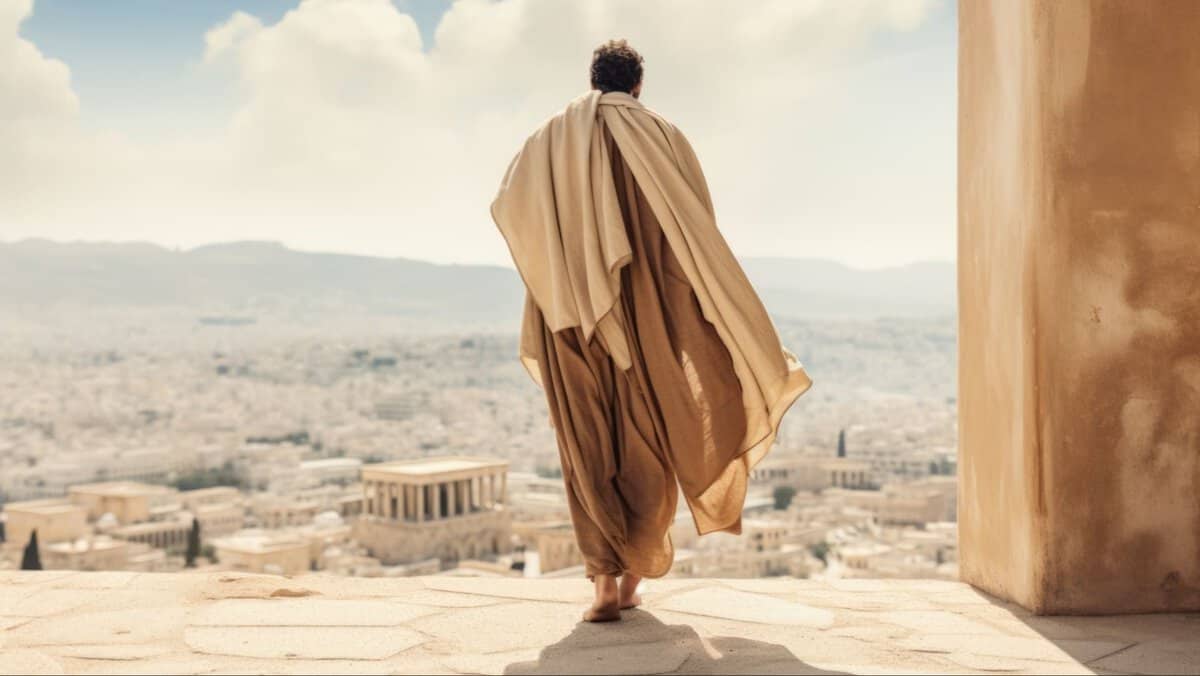
The evidence says moralità è older than the Bible.
Sumerians, Egyptians, Chinese teachers, and Greek philosophers all built moral worlds without it.
Though, the Bible collected these old rules, gave them a divine author, and attached eternal consequences.
Western culture was shaped by it alongside Greek philosophy, Roman law, and the Enlightenment.
Believers still argue that without God, morality has no objective foundation.
Skeptics answer with an old question adapted from Plato: is something good because God commands it, or does God command it because it’s good?
People discovered morality together because its innate to us, and the Bible made it feel eternal.

A little Aquarius, devoted to writing and embroidery. Through my writing, I hope to empower readers to align with their true selves and navigate life’s mysteries with confidence.