
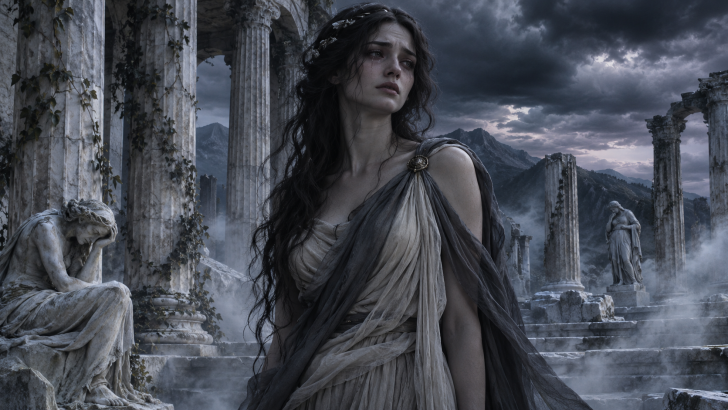
Greek mythology is filled with beautiful goddesses, powerful queens, and mysterious spirits.
But some divine figures ruled over the darkest parts of human existence. Achlys was one of them.
Her name was connected with misery, sorrow, and the darkness that surrounds death.
Unlike Aphrodite, who represented love, or Athena, who embodied wisdom, Achlys belonged to a world of suffering and despair.
She was not a goddess people would eagerly invite into their homes.
Instead, she represented the suffering that even the greatest heroes could not always escape.
Ancient Greek poetry describes her in disturbing detail, with a pale appearance, tearful eyes, and a body marked by misery.
Some traditions also connect her with the earliest darkness of the universe, placing her among the mysterious powers that existed before the familiar Olympian gods.
Although Achlys rarely appears in famous mythological adventures, her symbolism is unforgettable.
Here are ten fascinating things you probably didn’t know about Achlys, the Greek goddess of misery.
1. Her Name Was Connected With the Darkness of Death
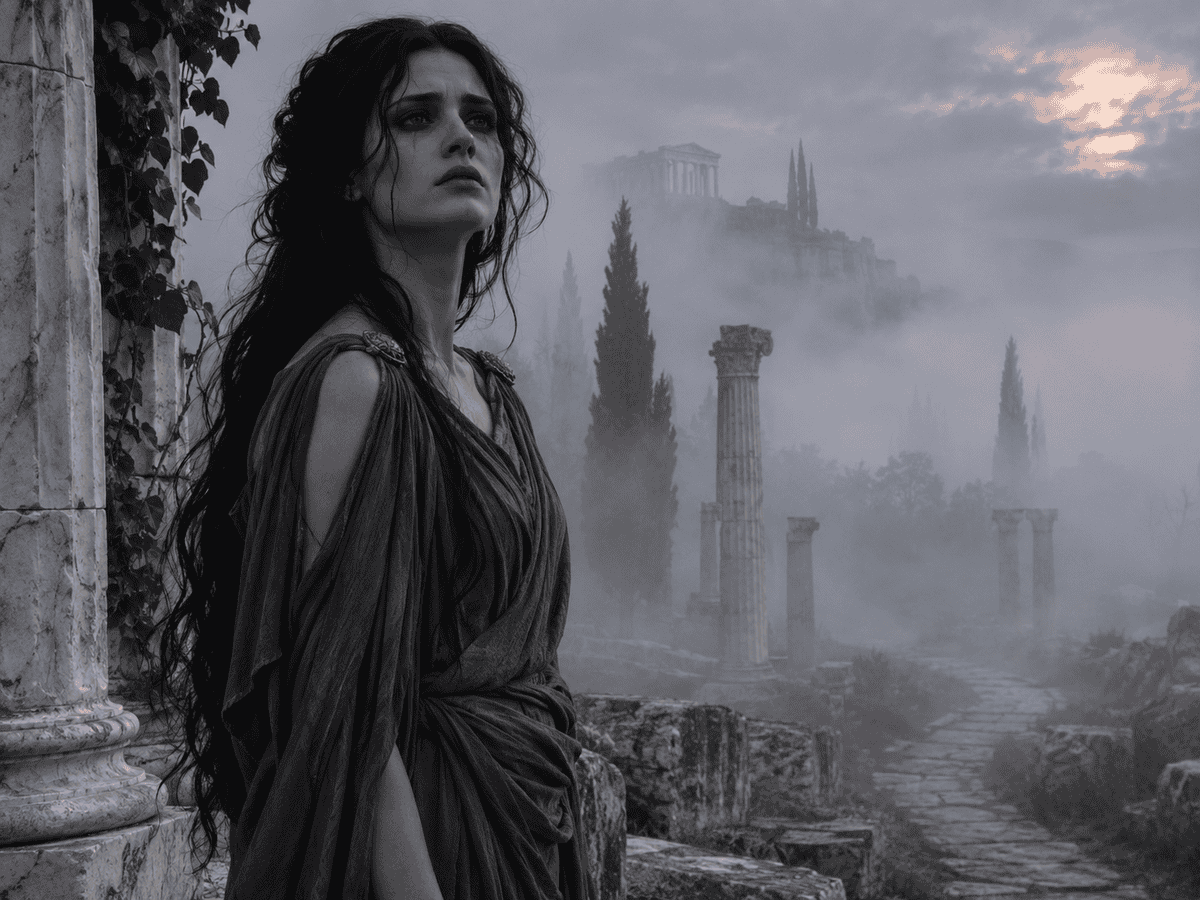
The name Achlys comes from the ancient Greek word akhlýs, which refers to mist, dimness, or darkness.
But this was not simply the darkness of an ordinary night.
The word could describe the mist that clouds a person’s vision, particularly in moments of suffering or approaching death.
In Greek poetry, darkness often represented the boundary between life and the Underworld.
A hero might lose his strength as a shadow descended over his eyes.
That final darkness was closely connected with the meaning of Achlys.
Her name therefore carried more than one frightening association.
She represented the obscurity of death, the heaviness of grief, and the suffering that makes the world seem dark.
This makes Achlys different from goddesses associated with night itself.
Nyx represented the cosmic power of Night. Achlys was connected with a more personal kind of darkness.
The darkness experienced through pain, sorrow, and the loss of hope.
Her name captured something the ancient Greeks understood very well.
Misery could feel like a mist that made everything around a person difficult to see.
2. She Was Described as Older Than the Familiar Gods

One of the most mysterious aspects of Achlys is her possible connection with the earliest stages of creation.
Some interpretations describe her as a primordial being, associated with the darkness that existed before the ordered world.
This places her far beyond the familiar generation of Zeus, Hera, and Poseidon.
The ancient Greeks imagined the universe beginning with powerful primordial forces.
Chaos, Gaia, Tartarus, and Eros appear in Hesiod’s account of the earliest divine beings.
Night and Darkness also held important places in these ancient genealogies.
Achlys is sometimes placed within this shadowy world of primordial powers.
However, her exact ancestry is not firmly established in the surviving early Greek sources.
Unlike Zeus, whose family relationships are described in countless stories, Achlys has no widely agreed-upon divine genealogy.
She seems to belong to a darker and less clearly defined part of Greek mythology.
Her power comes from something older than royal authority or divine conflict.
She embodies suffering itself, a force that exists wherever life is vulnerable.
3. Hesiod Connected Her Name With the Moment of Death
Achlys has an important connection with one of the oldest surviving works of Greek literature.
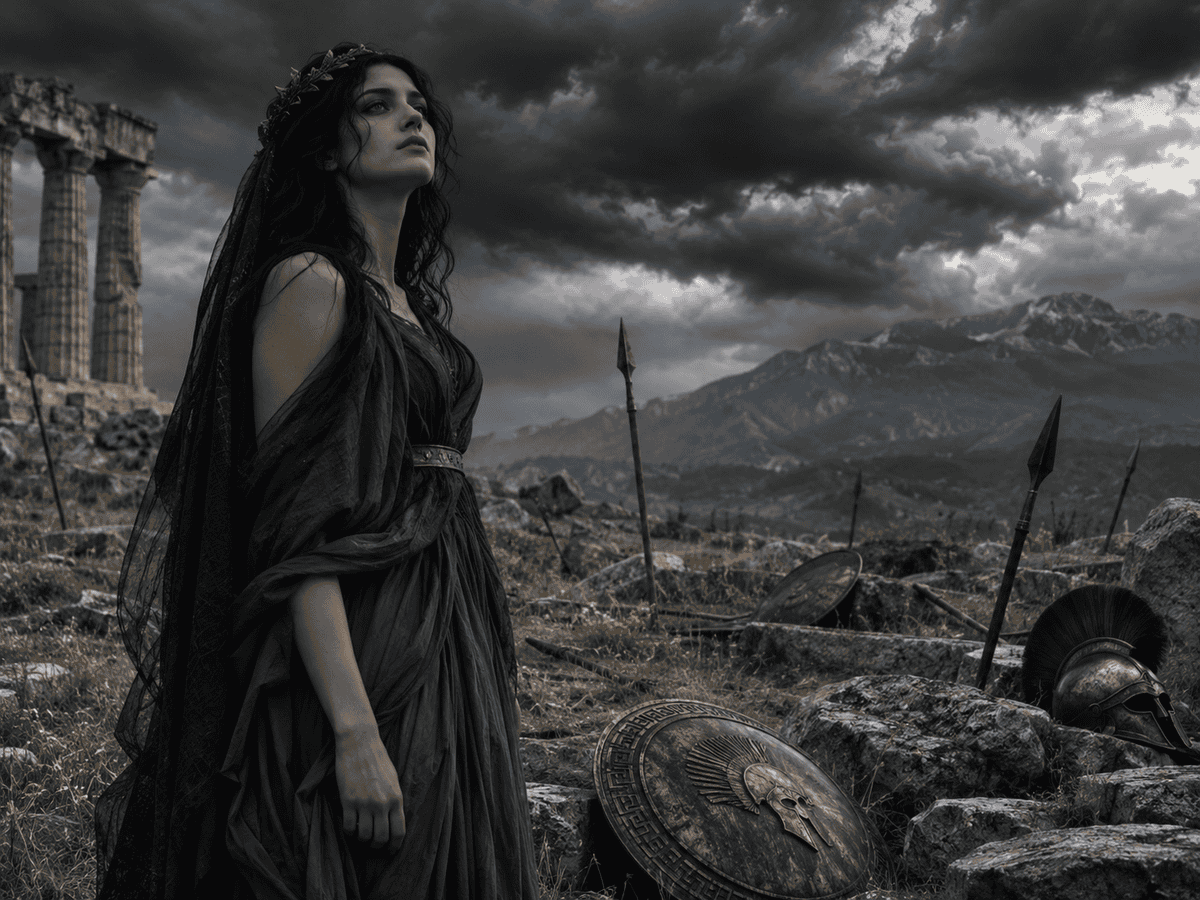
In Hesiod’s Shield of Heracles, a terrifying figure named Achlys appears among images associated with battle and death.
The poem describes her as a miserable and frightening presence.
She stands near other figures connected with violence, suffering, and destruction.
Her appearance captures the physical and emotional horror of death.
This is one of the most important ancient descriptions associated with Achlys.
It reveals that she was not simply an abstract word for sadness.
Greek poetic imagination could give misery a recognizable form.
Achlys became a figure that could stand among the powers haunting a battlefield.
Her presence was especially appropriate in a scene involving war.
Battle brought more than heroic glory. It also brought grief, fear, and suffering.
Achlys represented the side of war that heroic celebrations often ignored.
She reminded audiences that every victory could leave misery behind.
And even the strongest warriors lived under the shadow of mortality.
4. Her Appearance Was One of the Most Disturbing in Greek Poetry

Greek goddesses are often described as beautiful, radiant, and eternally youthful.
Achlys was portrayed very differently. In the Shield of Heracles, she appears pale, thin, and deeply miserable.
Her body is described as weakened by suffering. Her knees are swollen, her nails are long, and tears run down her cheeks.
The description also includes blood and dust, creating an image of overwhelming distress.
Everything about her appearance reflects the misery she represents.
A divine figure’s appearance could reveal the nature of their power.
Aphrodite’s beauty expressed love and attraction. Nike’s wings represented victory.
Achlys carried suffering in her entire appearance. She did not merely cause misery. She looked like misery itself.
The image is powerful because it transforms an invisible emotion into something audiences can recognize.
Pain, exhaustion, grief, and despair become visible through a single supernatural figure.
Few minor Greek deities received such an unforgettable physical description.
5. She Was Associated With Poison in Later Mythological Writing
Achlys has another dark connection that many people overlook.
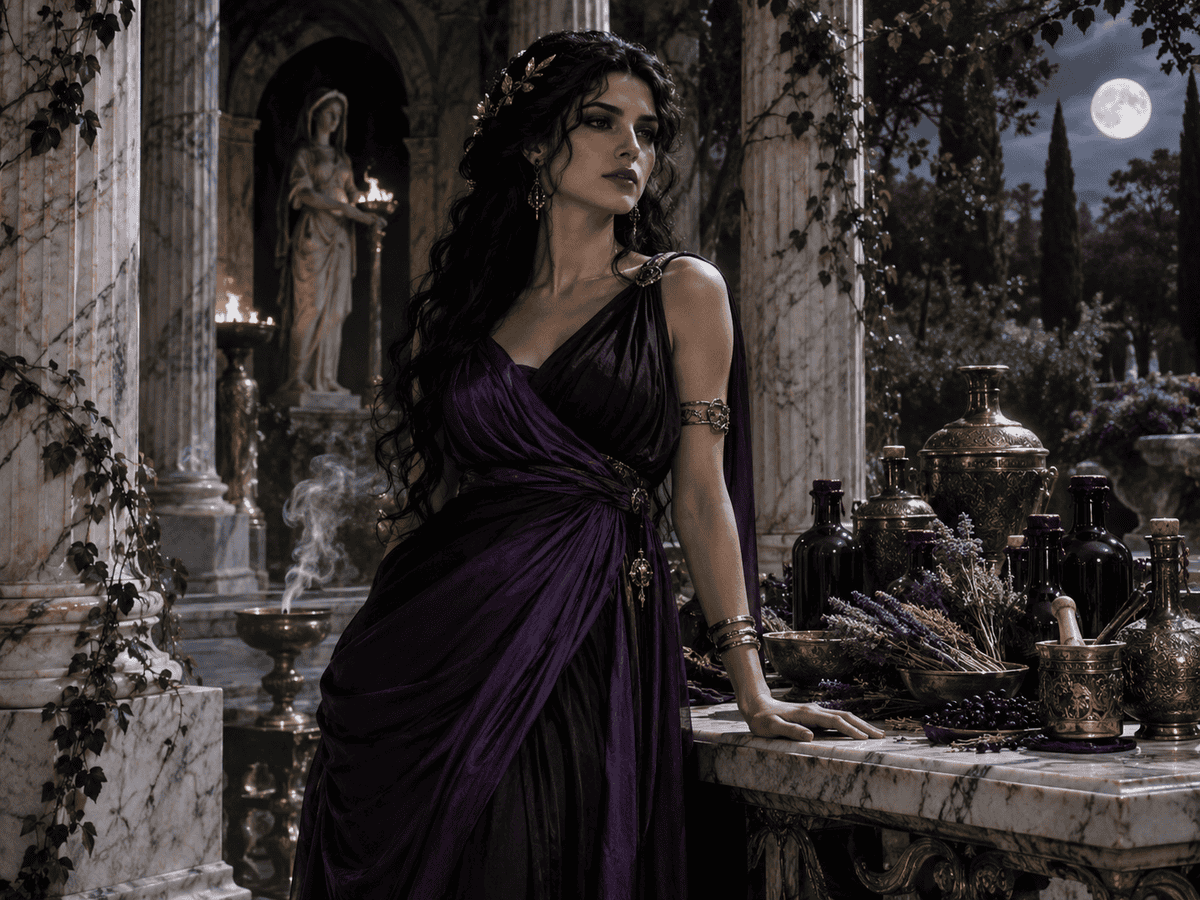
In Nonnus’s Dionysiaca, a late antique Greek epic, Achlys appears in connection with poisonous substances.
The poem describes Hera seeking a dangerous means of harming the infant Dionysus.
Achlys is associated with the preparation or possession of deadly poisons.
This gives her a more active role than the suffering figure described in earlier poetry.
Instead of merely representing misery, she becomes connected with substances capable of bringing destruction.
The association fits her darker identity. Poison often appears in Greek mythology as a hidden danger.
Unlike a sword or spear, it can remain concealed until its effects become apparent.
That makes it a fitting symbol for suffering that arrives unexpectedly.
Achlys’s connection with poison also places her within the dangerous world of divine rivalries.
The Olympian gods frequently struggled against one another, and mortals sometimes suffered because of those conflicts.
In this later tradition, Achlys belongs to the shadowy forces that can be called upon when divine jealousy turns destructive.
6. She Was Different From the Goddess of Night
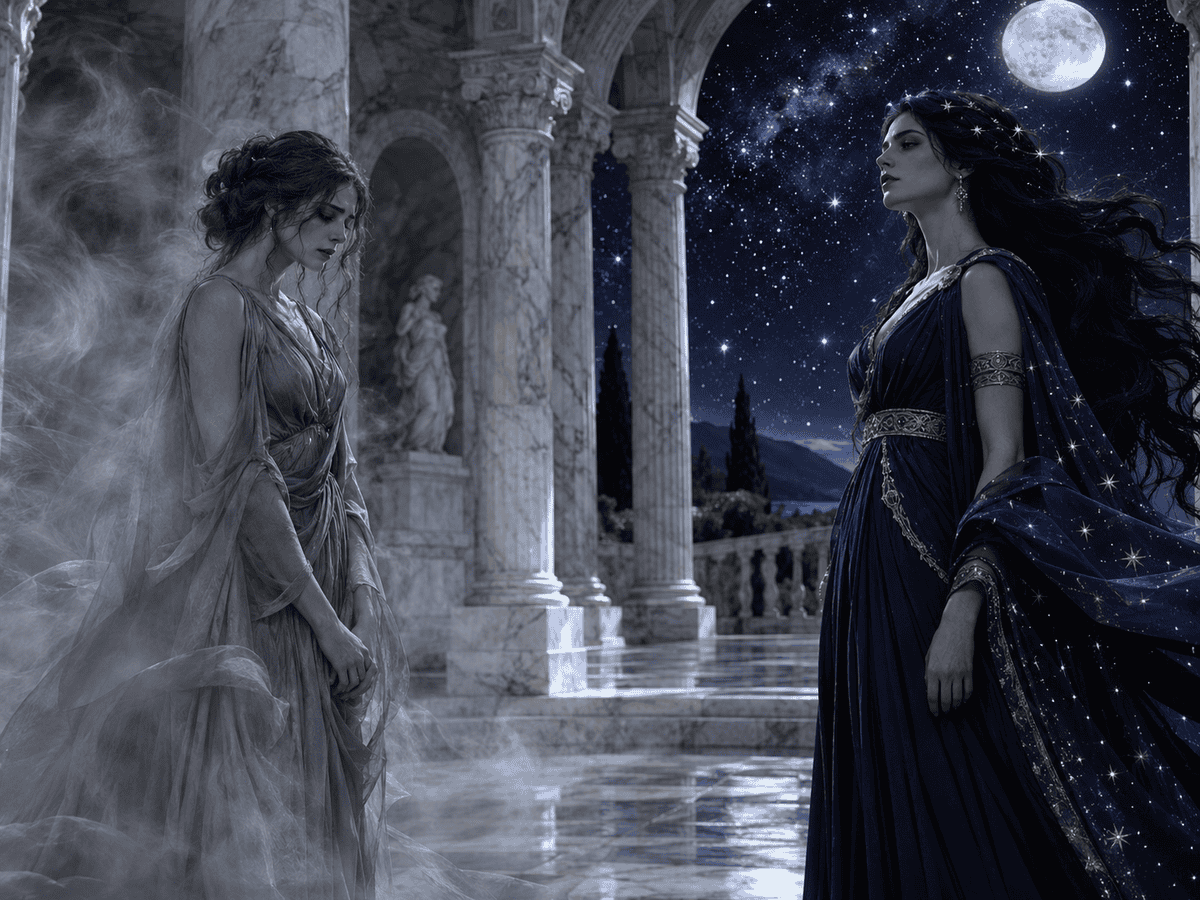
Achlys is sometimes confused with Nyx, the Greek goddess of Night.
Both are connected with darkness. Both belong to the more mysterious side of Greek mythology.
But their meanings are different. Nyx represents night as a cosmic force.
In Hesiod’s Theogony, she is one of the ancient beings associated with the earliest generations of existence.
She gives birth to numerous divine personifications, including figures connected with death, sleep, and suffering.
Achlys, meanwhile, represents misery and the darkness associated with suffering.
Her name is closely tied to the mist that obscures vision. That makes her symbolism more intimate.
Achlys brings to mind the darkness that settles over someone experiencing great sorrow.
The difference is important because Greek mythology recognized many forms of darkness.
There was the darkness of night. The darkness of the Underworld. The darkness of death.
And the darkness of emotional suffering. Achlys belonged to that final, deeply human experience.
She reminds us that not every shadow comes from the absence of sunlight.
7. Achlys Had No Famous Temples Like the Olympian Goddesses
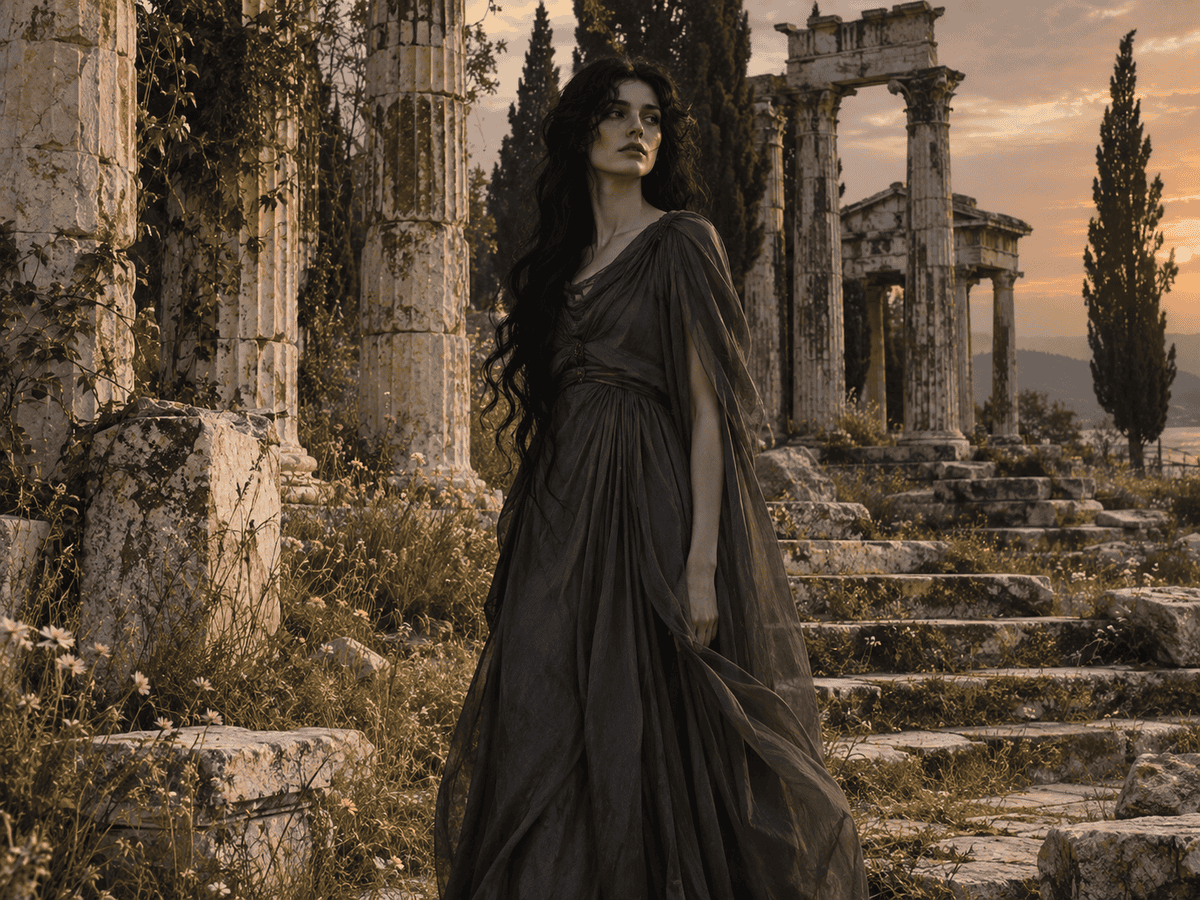
Some Greek goddesses received magnificent temples, elaborate festivals, and public ceremonies.
Athena had the Parthenon. Artemis was honored at major sanctuaries, including Ephesus.
Demeter received important religious celebrations connected with agriculture and the changing seasons.
Achlys had a very different place in Greek religion.
There is no well-established evidence of a major ancient temple or public festival dedicated specifically to her.
She appears as a personification of suffering rather than as the central figure of a widespread religious cult.
This distinction makes her especially interesting.
The ancient Greeks did not need to worship every supernatural figure in the same way.
Some divine beings were important because they represented forces people feared or recognized.
Achlys belonged to that category. Her presence in poetry gave misery a supernatural identity.
People could understand her meaning without knowing an elaborate collection of rituals.
She was a reminder of the suffering that existed alongside the beauty and glory of the divine world.
And sometimes that symbolic role was powerful enough.
8. She Represented the Suffering That Followed War
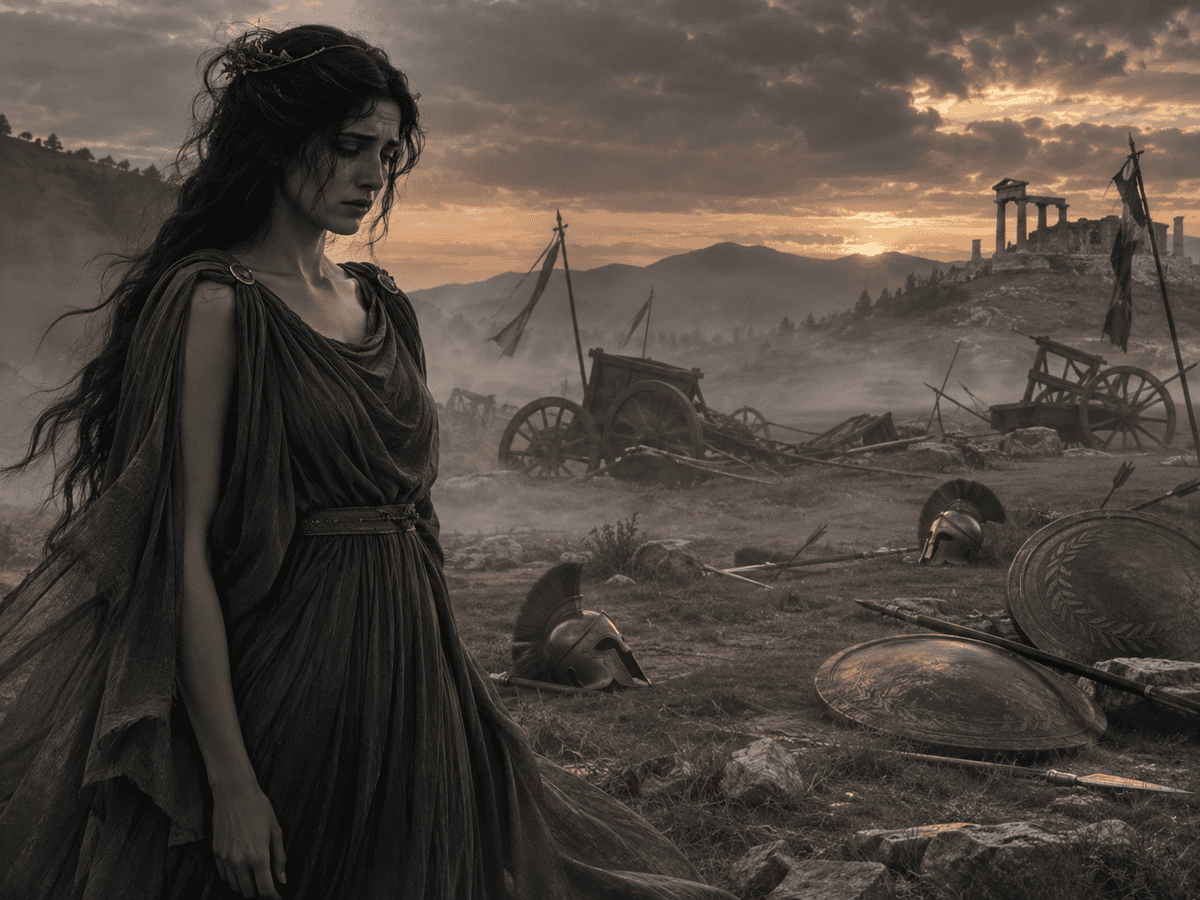
Greek mythology is famous for heroic battles. Achilles fought at Troy.
Heracles defeated terrifying monsters. Perseus faced Medusa.
But ancient Greek literature also understood the terrible consequences of violence.
War brought mourning, exhaustion, fear, and the loss of loved ones. Achlys belonged to this darker reality.
Her appearance in the Shield of Heracles places her among frightening figures associated with battle.
She represents the misery that follows destruction.
This makes her an important contrast to Nike, the goddess of victory.
Nike celebrates triumph. Achlys embodies the suffering that can remain after the fighting ends.
The two figures reveal different sides of the same event.
A battle might bring glory to one warrior while leaving another family overwhelmed by grief.
Ancient Greek poets often explored this painful contradiction.
Even celebrated heroes experienced loss. Achilles mourned Patroclus.
Odysseus endured years of hardship. And countless characters struggled with the consequences of conflict.
Achlys represents the sorrow that exists beneath the heroic stories.
Her presence reminds us that glory and suffering were never completely separate in Greek mythology.
9. Her Connection With Misery Made Her a Powerful Personification
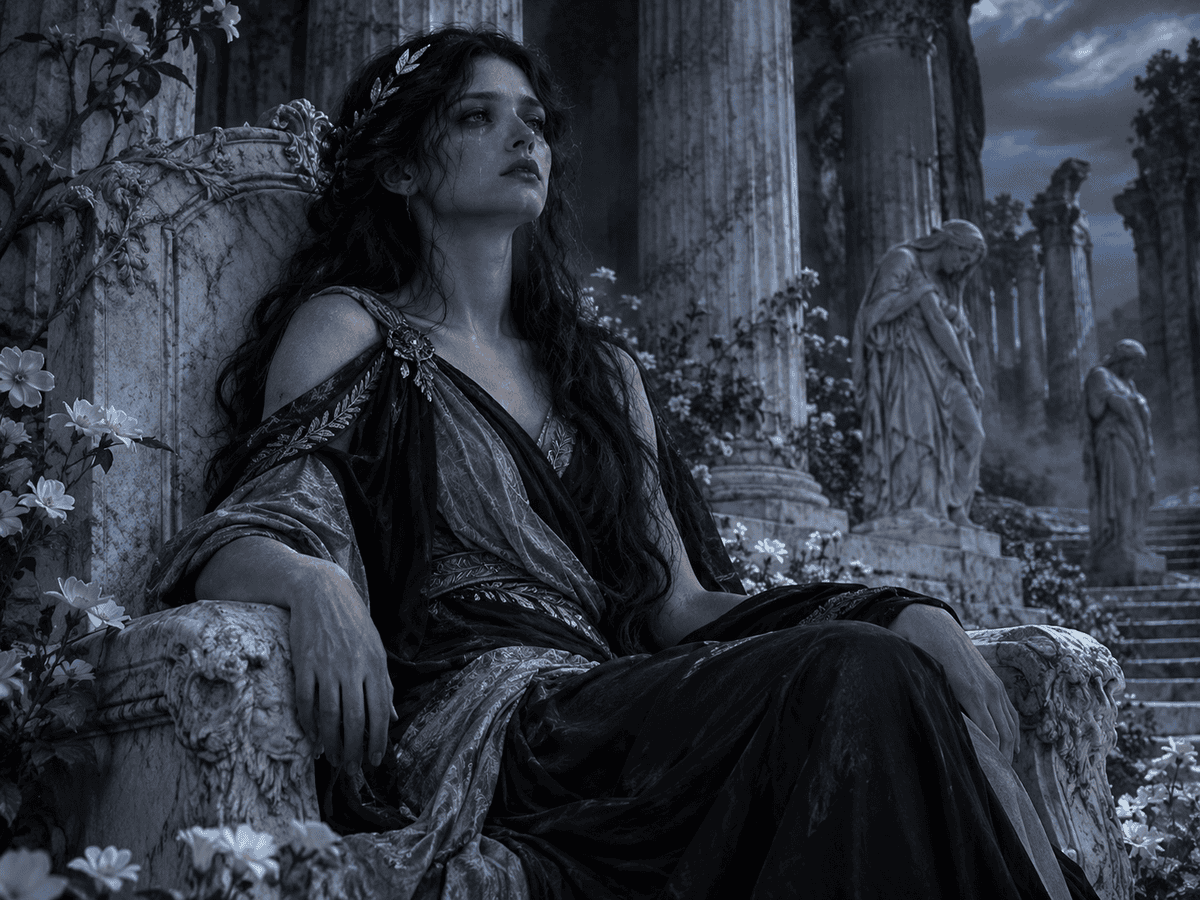
One of the most fascinating features of Greek mythology is its ability to turn emotions into divine beings.
Love could appear as Eros. Fear could take the form of Phobos.
Strife was represented by Eris. And misery could become Achlys.
These personifications helped give shape to experiences that were difficult to explain.
They transformed invisible forces into recognizable figures.
Achlys was especially powerful because misery affects both the body and the mind.
Sorrow can make someone feel exhausted. Fear can make the world seem uncertain.
And grief can change the way a person experiences ordinary life.
The ancient description of Achlys captures these feelings through her weakened appearance.
Her tears represent sorrow. Her pale face suggests suffering.
Her connection with darkness reflects the loss of clarity that can accompany distress.
Unlike many Olympian gods, Achlys did not need a complicated personality.
Her identity was inseparable from the condition she represented.
She existed wherever misery became overwhelming. That made her a haunting symbol of human vulnerability.
10. She Remains One of the Most Mysterious Female Figures in Greek Mythology

Achlys is not among the most famous Greek goddesses. She has no widely known love story.
No great temple bears her name. And few surviving myths describe her personal adventures.
Yet her presence is unforgettable. She represents a force that even the Olympian gods could not remove from human existence.
Suffering. Her connection with death, darkness, and poison places her among the most unsettling figures of Greek mythology.
But she also reveals something important about the ancient Greek understanding of life.
The Greeks did not imagine a world filled only with beauty, happiness, and divine blessings.
Their mythology made room for sorrow, fear, hardship, and loss.
These experiences were powerful enough to receive names and supernatural identities.
Achlys belonged to that shadowy side of existence. She was not a goddess of comfort or easy answers.
She represented the moments when life became difficult, and the future seemed uncertain.
And that is what makes her so different from the familiar Olympian goddesses.
Her power did not come from a throne, a weapon, or a magnificent palace. It came from the darkness of misery itself.
Among the many strange and forgotten beings of Greek mythology, Achlys remains one of the clearest reminders that the ancient gods represented every part of existence, including the parts people feared most.

Ho sempre sentito una forte connessione con il Divino fin dalla mia nascita. Come autrice e mentore, la mia missione è aiutare gli altri a trovare l'amore, la felicità e la forza interiore nei momenti più bui.