

Intelligence is not defined solely by how hard an individual studies and/or how much information they gather. Many hobbies enable the natural development of thinking through their repetition, focus, and curiosity.
Best of all, these activities often feel more like a rilassamento than a stressor. Over time, these activities build on fundamentals such as memory, patience, observation, problem-solving, etc.
Your consistent practice of small hobbies will have a much more significant impact on the way your brain functions than you may ever realize. Here are some fun hobbies that can actually make you ‘smarter.’
1. Birdwatching

Birdwatching allows your brain to function in a naturalistic, non-intrusive way.
It allows people to observe and remember their birds while connecting their bird-watching experience with finding patterns, observing motion, and observing changes in their environment (seasons).
You also develop your ability to pay attention because there are many small distractions that may cause you to easily miss important observations made while bird watching.
Unlike many forms of fast entertainment (television, movies, video games, etc.), birdwatching allows for the development of slow-paced, high-quality, and productive thought.
2. Cooking Without Using Cookbooks

When you prepare food without the use of a recipe, you will quickly come to understand your ingredients, how they work, and why you use them.
This helps your brain process your steps and helps create more depth to them than simply being able to recite the steps needed for the preparation of food.
You will become much better at making decisions, as during the cooking process, you will continuously adjust the food based on various factors (time, taste, organization, etc.).
3. Card Games

Card games will rapidly develop a person’s memory and ability to think critically about strategies to employ. Most games require players to track patterns, anticipate reactions, and manage attention while under pressure.
Unlike passive entertainment, playing card games requires players to continually think actively about their decisions while playing.
Players develop patience through playing card games as well, because their decision-making typically has more importance than their speed of play.
Additionally, due to the fact that players are interacting with other players during the process, they also develop skills that transfer into other aspects of life.
4. Gardening

Gardening develops patience and long-term thinking because plants grow slowly and require observing their progress over a long time, rather than expecting immediate results.
In addition, gardening develops problem-solving skills, because the environment is constantly changing.
Soil, light, water, and timing all affect the growth of plants in different ways at all times, which teaches people to observe and be more aware of small changes, as well as develop problem-solving skills through gradual adaptations.
Additionally, the physical aspect of gardening allows for less mental overload through the focus required to complete physical tasks.
5. Building Puzzles
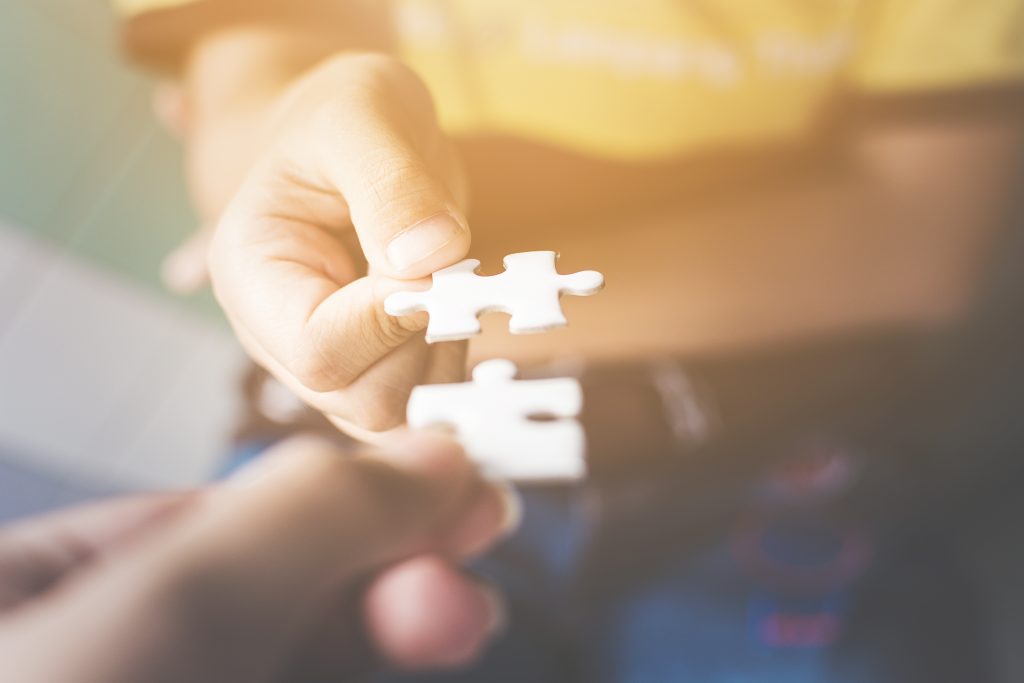
Building puzzles helps improve spatial awareness and visual memory abilities. By learning to organize and store information through shape, color, and the pattern of puzzle pieces, the brain creates connections between signals of recognition and develops persistence.
The process of completing the puzzle may take time, and as a result, puzzle building fosters the ability to concentrate over long time frames naturally.
It also leads to improved attention to detail, as well as the ability to manage more difficult information over time without becoming overwhelmed.
6. Playing an Instrument for Fun

Playing an instrument for fun can help develop coordination, memory, and concentration. Playing music helps your brain learn how to coordinate timing, sound, and movement at the same time.
Even just the act of practicing something will improve your ability to concentrate, as there are multiple skills that you are working on at the same time, unlike listening to music passively.
It takes time to develop memory through practice, and early on, you will learn songs and develop patience since progress is slow. A hobby like this keeps you mentally stimulated without feeling like work and makes it easier to practice consistently.
7. Thrifting and Collecting Vintage Items

Thrifting (shopping at secondhand stores) teaches you how to develop your observational competenze and sense of pattern recognition.
You will learn how to recognize things like quality, style, age, price, etc., and become very good at making these observations quickly.
Over time, this will improve your attention to detail and improve your ability to make good decisions. Thrifting also develops independent thinking, because value is not always obvious when you first see it.
This type of hobby relies on patience and curiosity rather than quick action. You will learn how to spot useful and valuable items and develop the ability to spot something that may be very unique or niche.
8. Journaling

Writing by hand forces you to slow down your thoughts and to get your thoughts organized clearly. Journaling develops memory and also develops your emotional awareness, as well as critical thinking skills.
With time, people will recognize patterns in their behaviors and opinions much more easily. Having this hobby also helps give you mental clarity since your ability to examine your thoughts clearly will improve over time.
Writing improves your concentration level; it requires you to pay attention to what you are doing much more than talking or typing a text message. Therefore, journaling can be both a way to relax and be beneficial to your mind.
9. Chess/Strategy Games
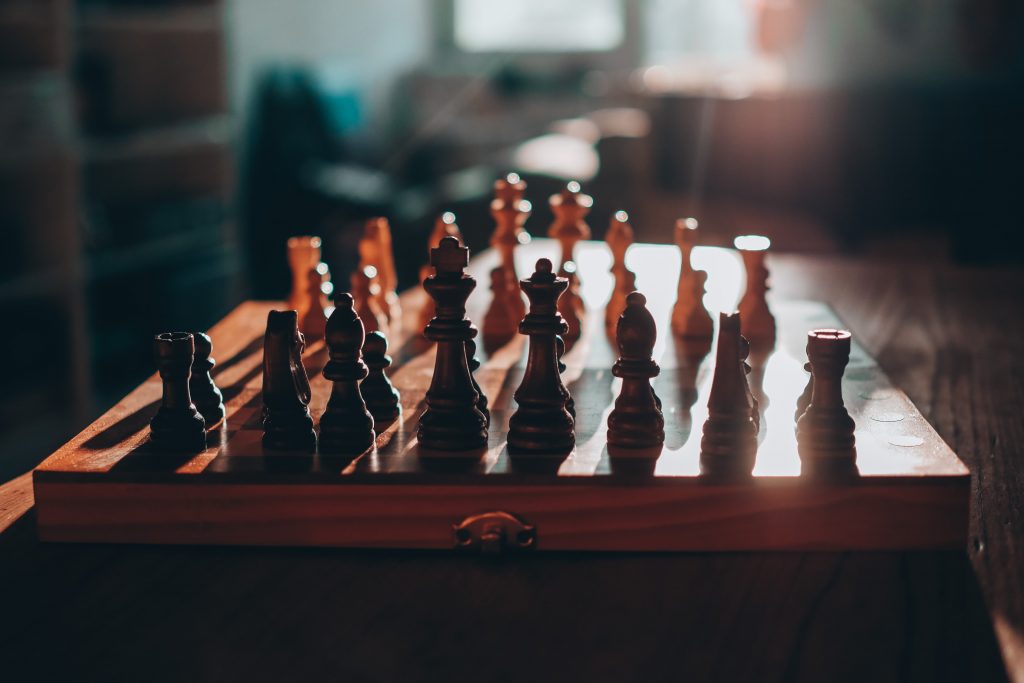
Strategy games develop your ability to plan and your long-term thinking skills. Strategy games also teach you how to think ahead and plan for multiple scenarios based on your current situation.
Playing chess, for example, will improve your ability to recognize patterns, because the same chess position can occur across the chessboard, just in different locations.
Strategy games also reward you for being patient and observing very carefully, rather than just reacting quickly to the game.
10. Deeply Exploring Random Facts

When you take random facts and learn them deeply instead of just quickly scrolling through them, you will become more curious and have a better understanding/memory of things.
No matter what you are studying (e.g., ancient history, weather systems, or ways to build bridges), learning them deeply creates stronger connections in your brain.
You remember things a lot better when you enjoy them. Learning about random topics will also make you a better conversationalist because you will have a much larger base of knowledge. Through time, your curiosity will continue to grow.

Born and raised in Bosnia and Herzegovina. Ever since I was a little girl, my imagination knew no bounds. I remember vividly how I’d scribble down short stories, each page bursting with adventures and characters conjured up from the whimsy of my mind. These stories weren’t just for me; they were my way of connecting with my friends, offering them a slice of my fantasy world during our playtimes. The joy and excitement on their faces as we dived into my fictional realms motivated me to keep writing. This early passion for storytelling naturally evolved into my pursuit of writing, turning a childhood hobby into a fulfilling career.