There’s something oddly fascinating about last words. Maybe it’s the idea that, in a final moment, people reveal something profound, poetic… or unintentionally hilarious. You’d think everyone would go out with a deep, meaningful quote worthy of being engraved on marble—but history proves otherwise.
Some people delivered iconic lines that still echo through time. Others said things that, in hindsight, feel like the universe setting up a punchline. And then there are those whose final words are so casual, you almost want to say, “That’s it? That’s what you went with?”
Whether dramatic, ironic, wise, or downright confusing, these famous last words give us a glimpse into the human experience at its most final—and sometimes most relatable.
1. Julius Caesar – “Et tu, Brute?”
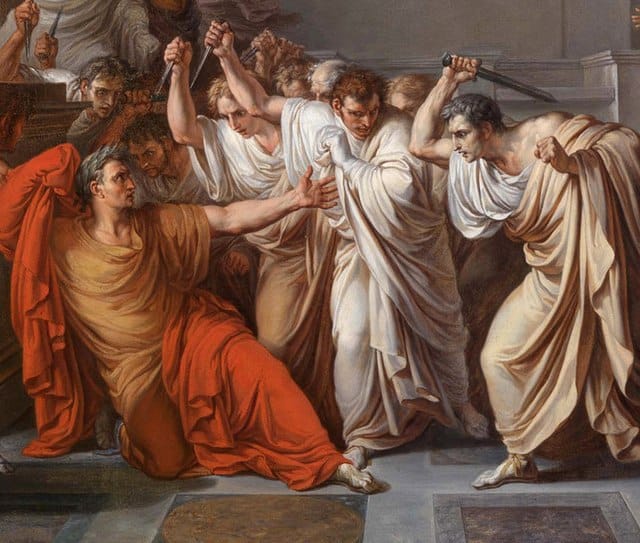
Arguably the most famous last words in history, “Et tu, Brute?” translates to “You too, Brutus?”—a line that has come to symbolize ultimate betrayal. According to tradition (and heavily popularized by William Shakespeare), Caesar uttered this as he realized even his trusted friend Brutus was among his attackers.
Now, historians debate whether he actually said this, said something in Greek, or said nothing at all. But let’s be honest—the dramatic version is just too good to let go.
What makes this line so iconic isn’t just the situation—it’s the emotion. It captures shock, heartbreak, and disbelief in just a few words. It’s also the historical equivalent of realizing your closest ally just “liked” a tweet dragging you.
Whether fact or fiction, the phrase has outlived empires, friendships, and probably several group chats.
2. Marie Antoinette – “Pardon me, sir, I did not mean to do it.”
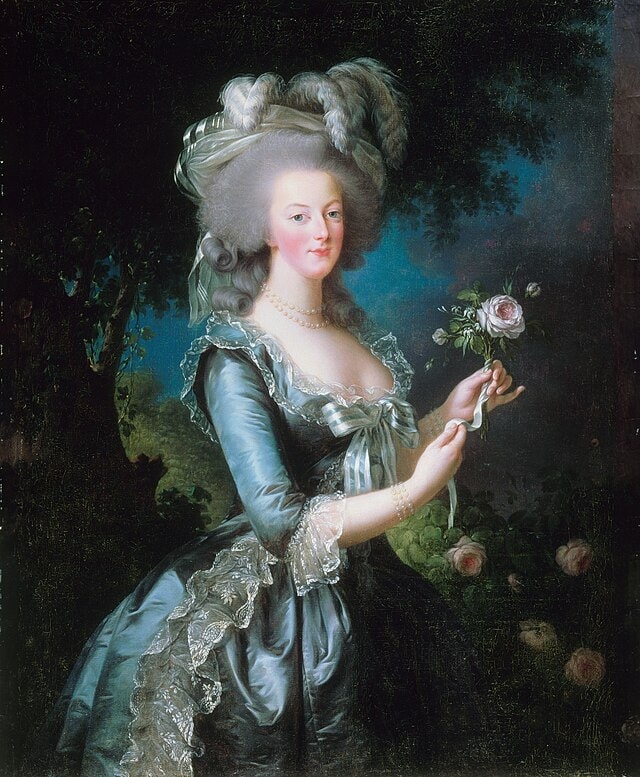
Marie Antoinette’s final words were surprisingly polite—especially given the circumstances. As she approached the guillotine, she accidentally stepped on the executioner’s foot and apologized: “Pardon me, sir, I did not mean to do it.”
And honestly? That’s peak accidental relatability.
In a moment where most people would be understandably focused on, well… everything else, she still had the instinct to be courteous. It’s the ultimate “sorry for the inconvenience” energy, taken to an extreme.
Her final words highlight a strange but very human tendency: even in the most dramatic situations, social habits stick. It’s like saying “thank you” when someone hands you something you didn’t ask for—except the stakes are significantly higher.
Polite to the very end, Marie Antoinette somehow managed to turn a historical tragedy into a moment of oddly charming etiquette.
3. Oscar Wilde – “Either that wallpaper goes, or I do.”
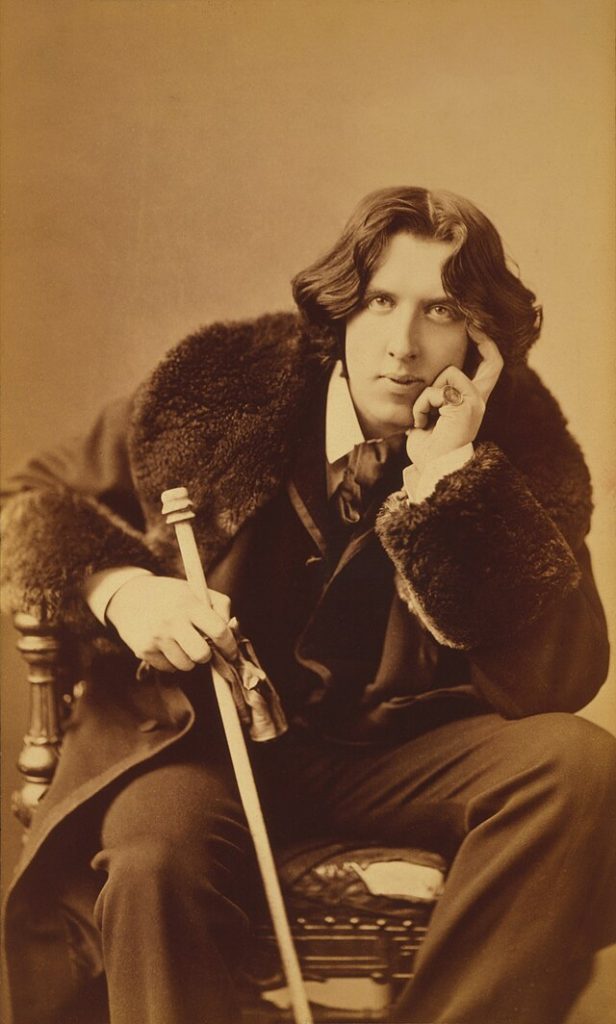
Oscar Wilde, known for his wit, did not disappoint—even at the end. Reportedly, his last words were, “Either that wallpaper goes, or I do.”
It’s the kind of dramatic flair you can’t teach.
Dying in a Paris hotel room, Wilde apparently found the décor so offensive that it became his final complaint. And honestly, if you’re going to go out, why not make it stylishly petty?
What makes this line unforgettable is how perfectly it matches his personality. Wilde built his reputation on clever, sharp observations about life—and apparently, interior design was no exception.
It’s also a reminder that humor doesn’t have to disappear in serious moments. Sometimes, it becomes even more powerful. Wilde didn’t just leave behind literary brilliance—he left behind one last perfectly timed joke.
4. Steve Jobs – “Oh wow. Oh wow. Oh wow.”
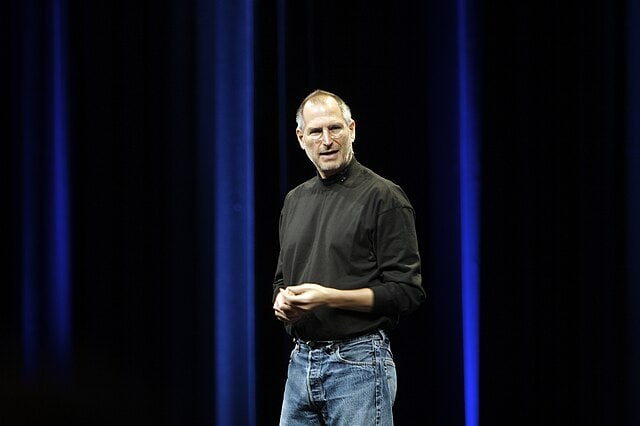
Steve Jobs’ reported last words were simple: “Oh wow. Oh wow. Oh wow.”
No long speech. No dramatic monologue. Just three repeated words.
And somehow, that makes it even more intriguing.
People have speculated endlessly about what he might have been seeing or experiencing in those final moments. Was it awe? Realization? Something beyond explanation? The ambiguity is what makes it so powerful.
In a world where Jobs was known for innovation, vision, and changing how we interact with technology, his last words feel almost poetic. They suggest a moment of wonder—something unexpected, maybe even beautiful.
Or, if we’re being slightly less dramatic, it could just be the ultimate “well, this is new” reaction.
Either way, it leaves an impression.
5. Karl Marx – “Last words are for fools who haven’t said enough.”
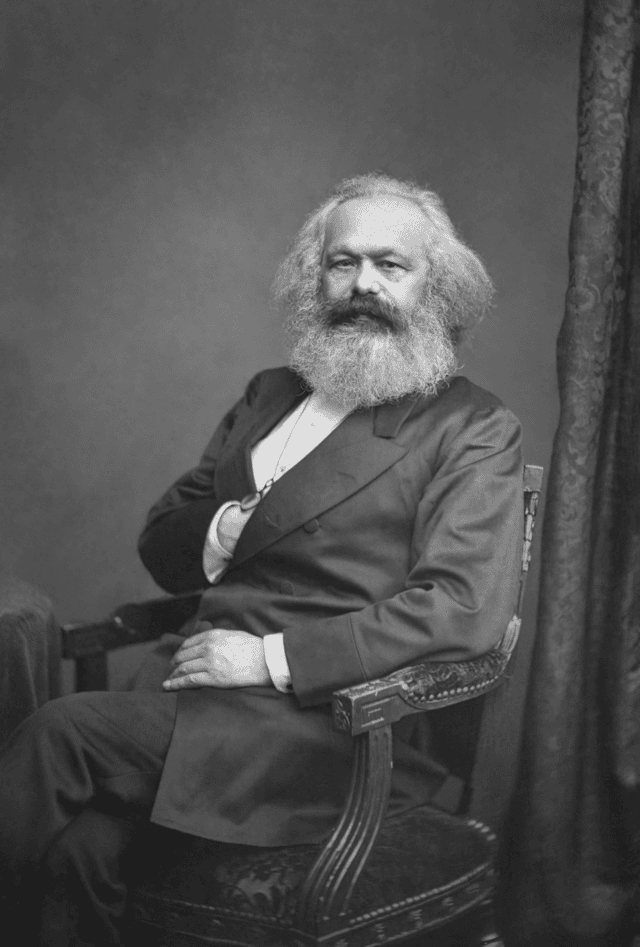
Karl Marx, known for his revolutionary ideas and extensive writings, reportedly dismissed the concept of last words altogether. When asked for his final statement, he said, “Last words are for fools who haven’t said enough.”
Which is both bold and very on brand.
After spending a lifetime expressing his thoughts in detail, Marx essentially said, “I’ve already covered everything.” It’s the intellectual version of dropping the mic without actually dropping anything.
There’s something refreshingly honest about this response. Not everyone feels the need to summarize their life in one final quote—and Marx made that very clear.
It’s also a subtle reminder that meaning isn’t always found in one dramatic moment. Sometimes, it’s built over a lifetime of ideas, actions, and impact.
Still, it’s a bit ironic that his rejection of last words… became his most famous last words.
6. Frank Sinatra – “I’m losing it.”
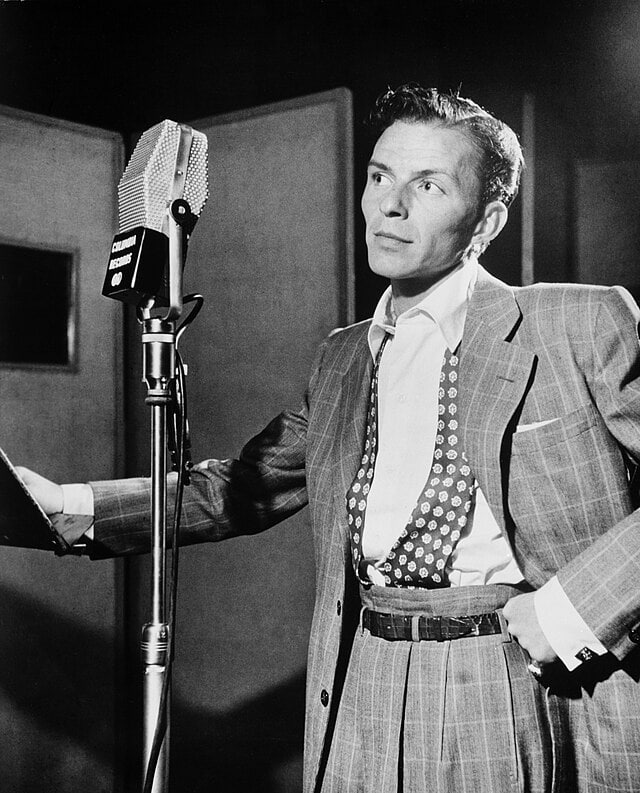
Frank Sinatra, one of the most iconic voices in music history, reportedly ended with a simple and haunting phrase: “I’m losing it.”
Unlike witty or dramatic last words, this one feels raw and real. There’s no performance here—just an honest acknowledgment of what was happening.
It’s a reminder that not every ending is poetic. Sometimes it’s just human.
And in a way, that makes it more powerful. Sinatra spent his life commanding stages and captivating audiences, but in the end, he was just like anyone else—facing a moment we all eventually do.
It’s not glamorous, but it’s deeply authentic. And sometimes, that’s more meaningful than any perfectly crafted quote.
7. Ludwig van Beethoven – “Applaud, my friends, the comedy is over.”
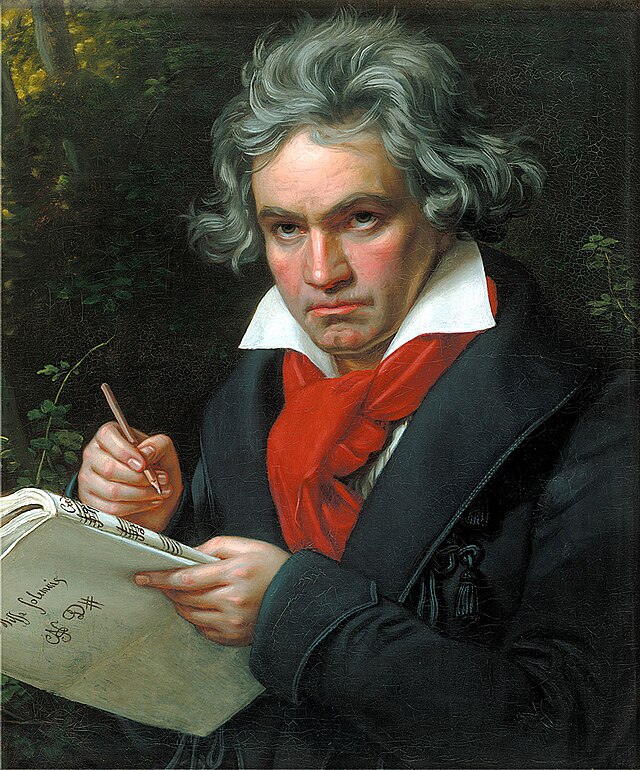
Beethoven’s reported last words sound like something straight out of a theatrical script: “Applaud, my friends, the comedy is over.”
It’s dramatic. It’s poetic. It’s exactly what you’d expect from a legendary composer.
Whether he actually said it or not (history is a bit fuzzy here), the line perfectly captures the idea of life as a performance—one that eventually reaches its final curtain call.
There’s something oddly comforting about it. Instead of fear or confusion, it suggests closure. A sense that the story has been told, the music has been played, and it’s time to take a bow.
Also, let’s be honest—it’s a much cooler exit line than most of us will manage.

Lover of good music, reading, astrology and making memories with friends and spreading positive vibes! 🎶✨I aim to inspire others to find meaning and purpose through a deeper understanding of the universe’s energies.