
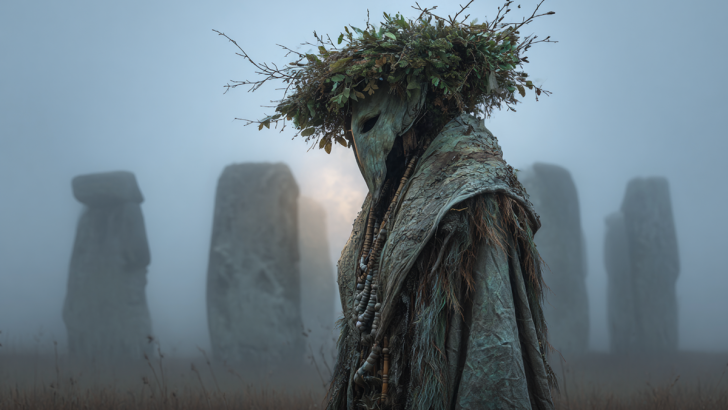
If “paganism” sounds like one specific religion with a clear founder and a tidy instruction manual… surprise! It’s actually more like a giant, ancient umbrella covering countless belief systems, traditions, rituals, and spiritual vibes that existed long before organized religions came along with branding and official holidays.
The word itself has been used (and misused) for centuries—sometimes as a neutral descriptor, sometimes as an insult, and now often as a reclaimed identity. From nature worship to elaborate pantheons of gods, pagan traditions have shaped cultures, inspired myths, and quietly influenced modern spirituality in ways you probably don’t even realize.
Let’s take a slightly chaotic, very human journey through the history of paganism—one era at a time.
1. Prehistoric Paganism: When Nature Was the Original Influencer
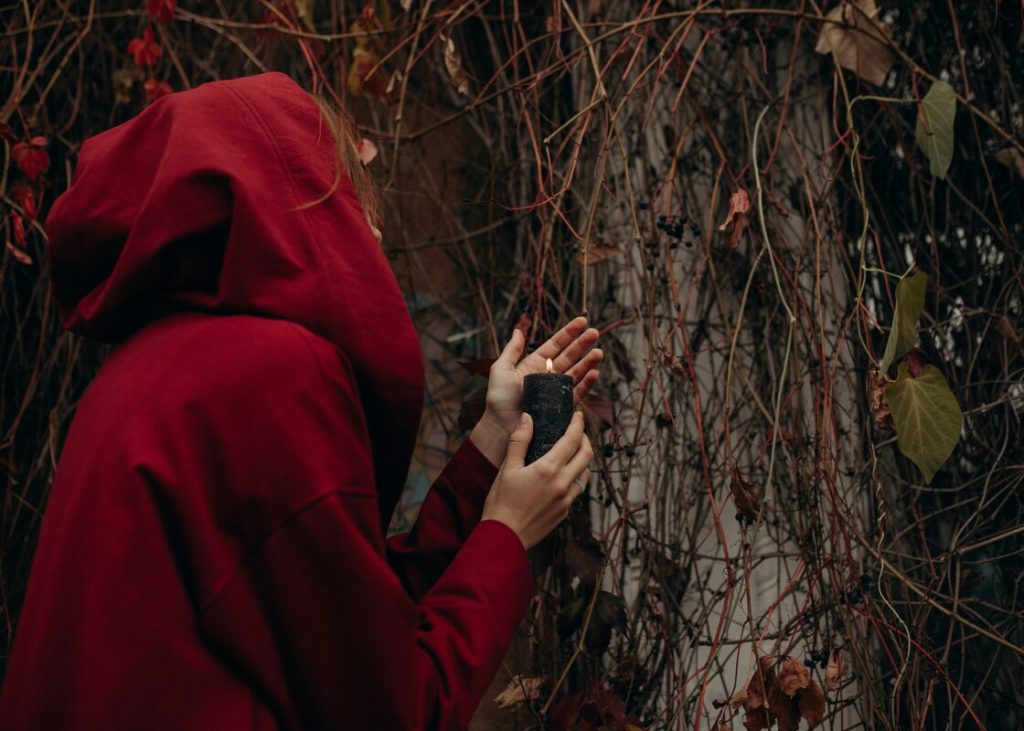
Long before temples, scriptures, or religious debates, humans were out here looking at thunderstorms and going, “Okay… something powerful is definitely happening.”
Prehistoric paganism wasn’t a formal religion—it was instinctive. Early humans developed spiritual beliefs based on what they could see and experience: the sun, the moon, animals, seasons, and the mysterious fact that sometimes crops grew and sometimes they absolutely did not. Nature wasn’t just important—it was the divine.
This era likely included animismo (the belief that everything has a spirit) and early forms of sciamanesimo, where certain individuals acted as intermediaries between humans and the spiritual world. Rituals might involve dances, offerings, or symbolic objects (hello, Venus figurines) meant to encourage fertility, protection, or good hunting luck.
There were no official rules, no central authority—just vibes, survival, and a deep respect for forces humans didn’t yet understand. Honestly, it was less “religion” and more “we are trying our best not to anger the sky.”
2. Ancient Civilizations: Gods, Drama, and Divine Politics
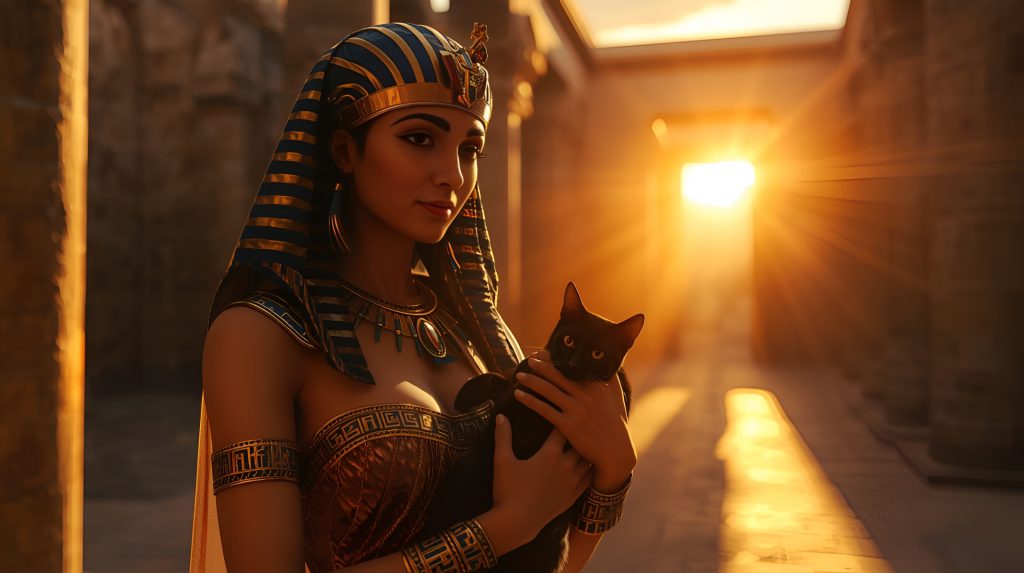
As societies became more organized, so did their beliefs. Enter the golden age of polytheism, where gods weren’t just powerful—they were busy.
Ancient civilizations like Egypt, Greece, Rome, and Mesopotamia developed complex pantheons of deities, each responsible for specific aspects of life. There was a god for the sun, the sea, love, war, wisdom… honestly, if it existed, there was probably a god managing it.
These religions were deeply woven into daily life. People prayed for good harvests, safe travels, and victory in battle. Temples were built, sacrifices were made, and myths were told to explain everything from natural disasters to why your love life was cursed (looking at you, Greek mythology).
What makes this era fascinating is how umano the gods were. They had flaws, emotions, rivalries, and questionable decision-making skills. Divine, yes—but also messy. Very messy.
3. “Pagan” Becomes a Label: The Rise of Monotheism
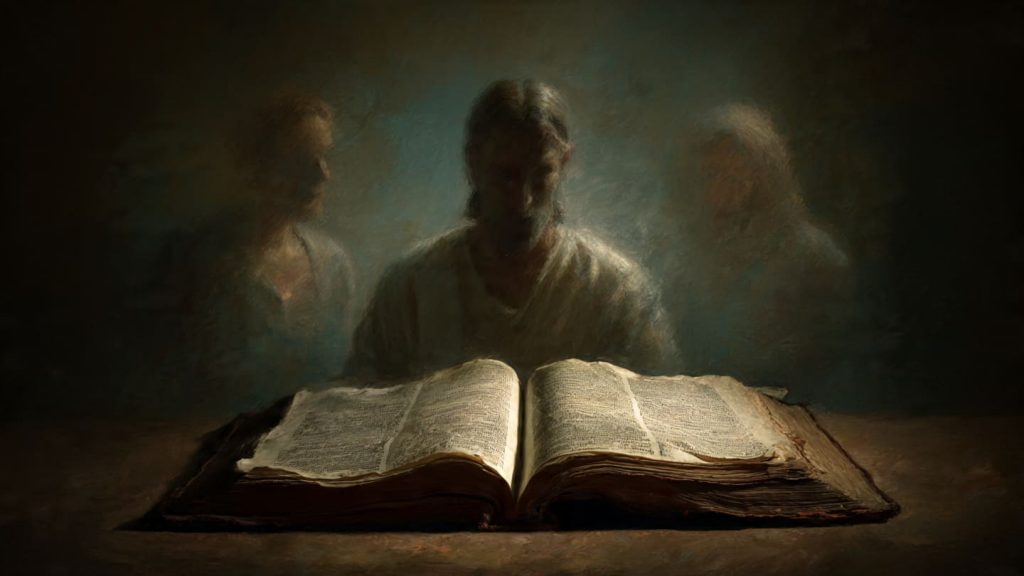
Here’s where things get a little… rebranded.
Come Christianity (and later other monotheistic religions) began to spread, especially during the Roman Empire, the term “pagan” started being used to describe anyone who wasn’t part of the new religious movement. It comes from a Latin word meaning something like “rural” or “country dweller,” because these older beliefs often stuck around longer outside cities.
Suddenly, paganism wasn’t just a collection of traditions—it became “the other.” And unfortunately, “the other” didn’t always get great PR.
Many ancient practices were discouraged, outlawed, or absorbed into newer religious frameworks. Temples were abandoned or repurposed, and old gods were gradually replaced. But—and this is important—pagan beliefs didn’t just disappear overnight. They adapted, blended, and sometimes went underground.
This era marks a major shift: paganism goes from being the default belief system to something labeled, challenged, and often misunderstood.
4. Survival Through Folklore: When Old Beliefs Refused to Die
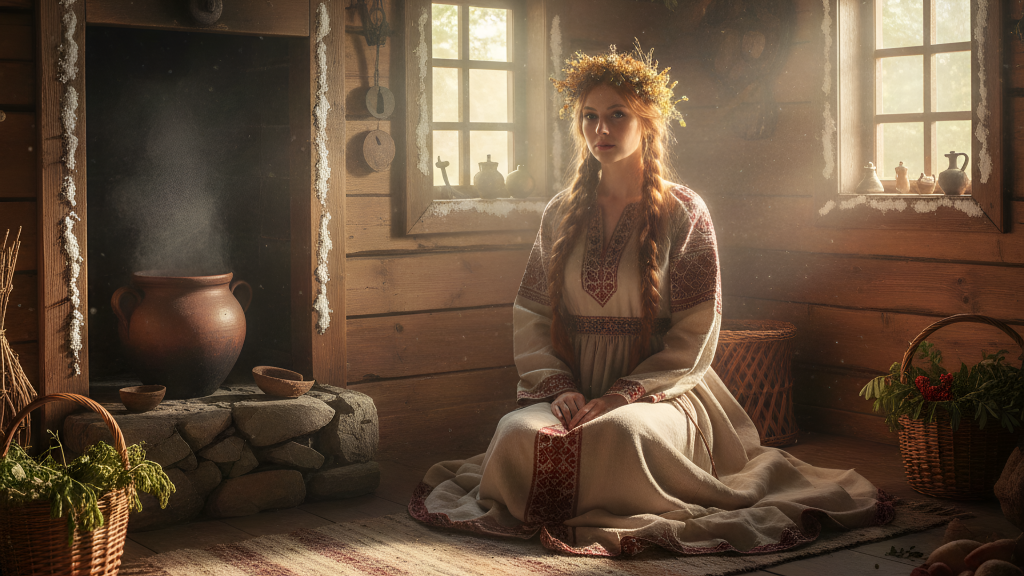
You can change official religion, but you cannot stop people from telling stories—or celebrating a really good seasonal festival.
Even as monotheistic religions became dominant, many pagan traditions quietly survived through folklore, customs, and local rituals. Think harvest festivals, solstice celebrations, and all those charming (and slightly suspicious) traditions that feel older than your great-grandmother’s recipes.
Ever heard of the Yule log? Decorating trees in winter? Celebrating the arrival of spring with eggs and fertility symbols? Congratulations—you’ve brushed up against ancient pagan influences.
In rural areas especially, belief in nature spirits, fairies, and protective rituals continued. It wasn’t always officially “religious,” but it carried the same spirit: respect for nature, cycles of life, and unseen forces.
Paganism didn’t vanish—it changed outfits and kept attending the party.
5. Modern Paganism: The Comeback Era

Plot twist: paganism is not just ancient history—it’s alive and thriving.
In the 19th and 20th centuries, there was a renewed interest in pre-Christian traditions, leading to the rise of modern pagan movements like Wicca, Druidry, and various forms of Neopaganism. These aren’t exact replicas of ancient practices, but they’re inspired by them, often with a modern twist.
Today’s pagans might celebrate seasonal festivals, honor nature, work with symbolic rituals, or follow specific deities from ancient pantheons. There’s often an emphasis on personal spirituality, environmental connection, and freedom of belief—no one-size-fits-all rulebook required.
And perhaps most importantly, the word “pagan” has been reclaimed by many as a positive identity rather than a negative label.
So if you thought paganism was just something from history books… surprise again. It’s still here, still evolving, and still very much doing its own thing.
6. Final Thoughts
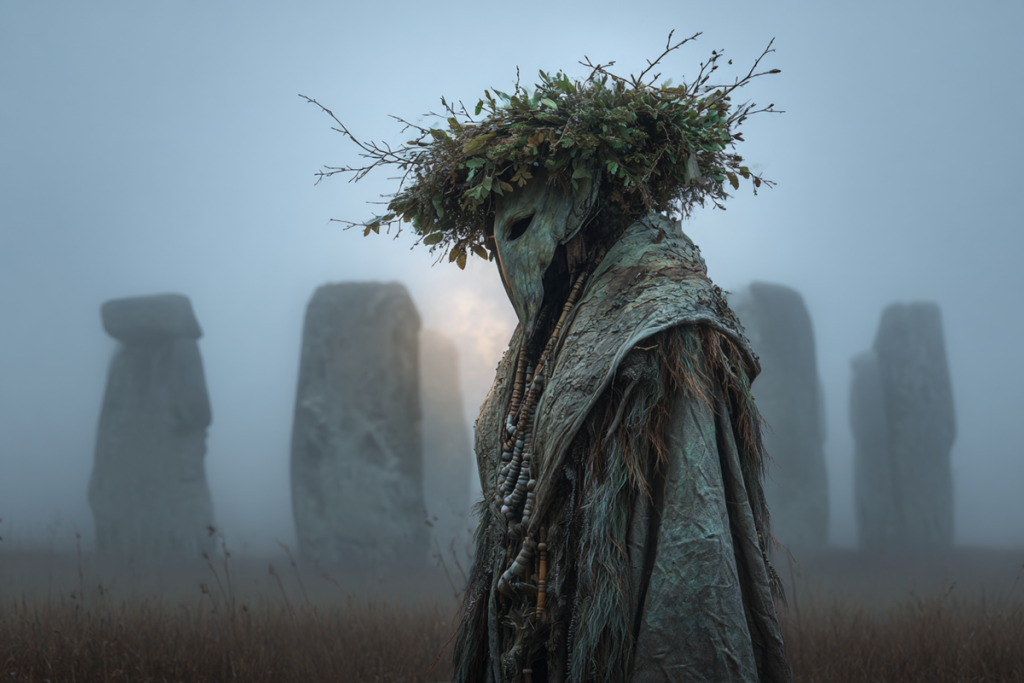
The history of paganism isn’t a straight line—it’s more like a winding path through forests, temples, villages, and modern cities. It’s ancient and new at the same time, shaped by countless cultures and constantly reinvented.
At its core, paganism reflects something deeply human: the desire to understand the world, connect with nature, and find meaning in the mysteries around us.
And honestly? That part hasn’t changed at all.

Lover of good music, reading, astrology and making memories with friends and spreading positive vibes! 🎶✨I aim to inspire others to find meaning and purpose through a deeper understanding of the universe’s energies.