

Serpents appear in myths around the world, but few are as mysterious and dangerous as Uktena.
In Cherokee tradition, Uktena is a great horned serpent connected with supernatural power, danger, water, and a brilliant object often described as a crystal or jewel.
Stories about this being vary, as Cherokee traditions were preserved through different communities and storytellers rather than one single written mythology.
Here are ten fascinating things about Uktena, one of the most powerful serpentine beings in Cherokee tradition.
1. Uktena Was a Giant Horned Serpent
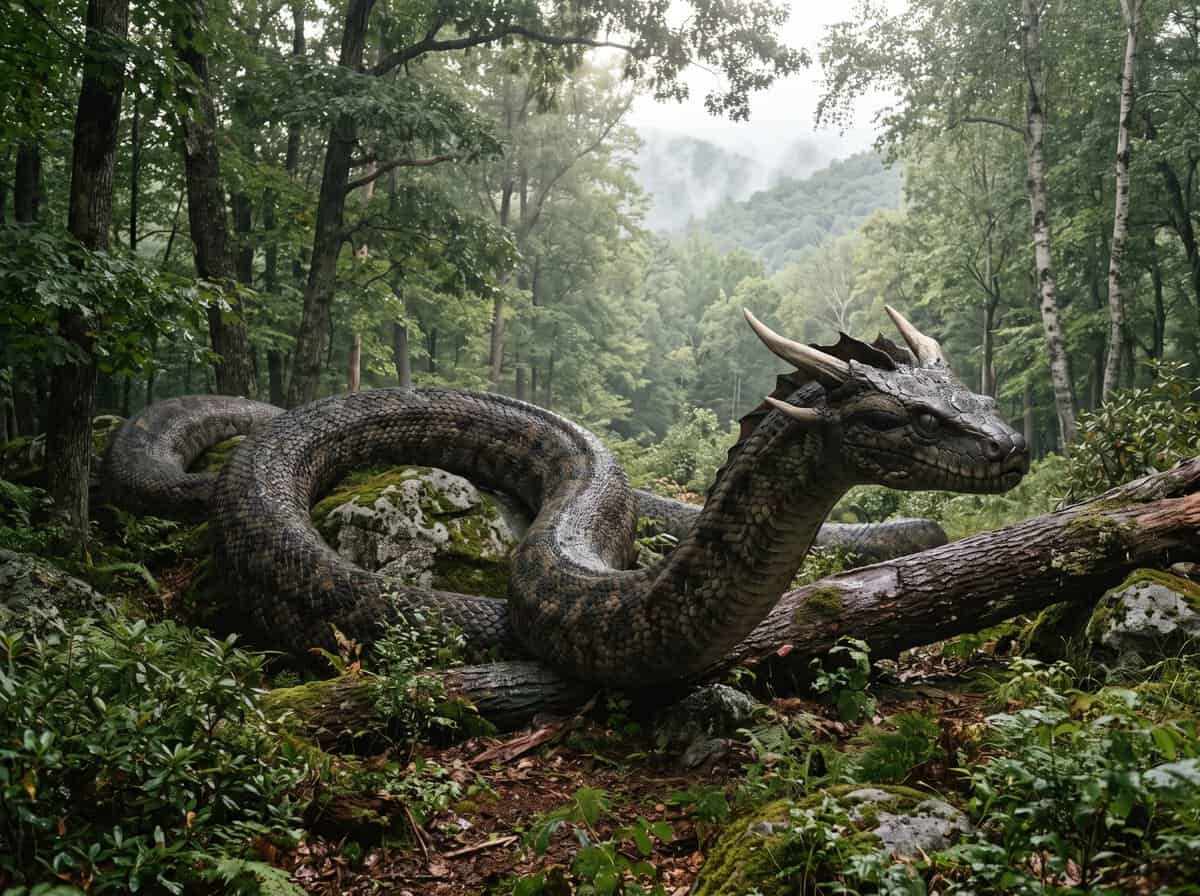
Uktena is usually described as an enormous supernatural serpent rather than an ordinary snake.
Recorded Cherokee accounts describe it with unusual features, including horns upon its head. Some descriptions also give it a bright or fiery appearance.
The horned serpent motif appears in traditions among several Indigenous peoples of North America, although each nation has its own stories.
For the Cherokee, Uktena was a distinctive and dangerous being. Its combination of familiar and impossible features made it especially frightening.
People knew what snakes looked like, but Uktena belonged to a realm far beyond ordinary wildlife.
The horns immediately revealed that anyone encountering it was dealing with something supernatural.
2. A Brilliant Crystal Was Said to Rest on Its Head
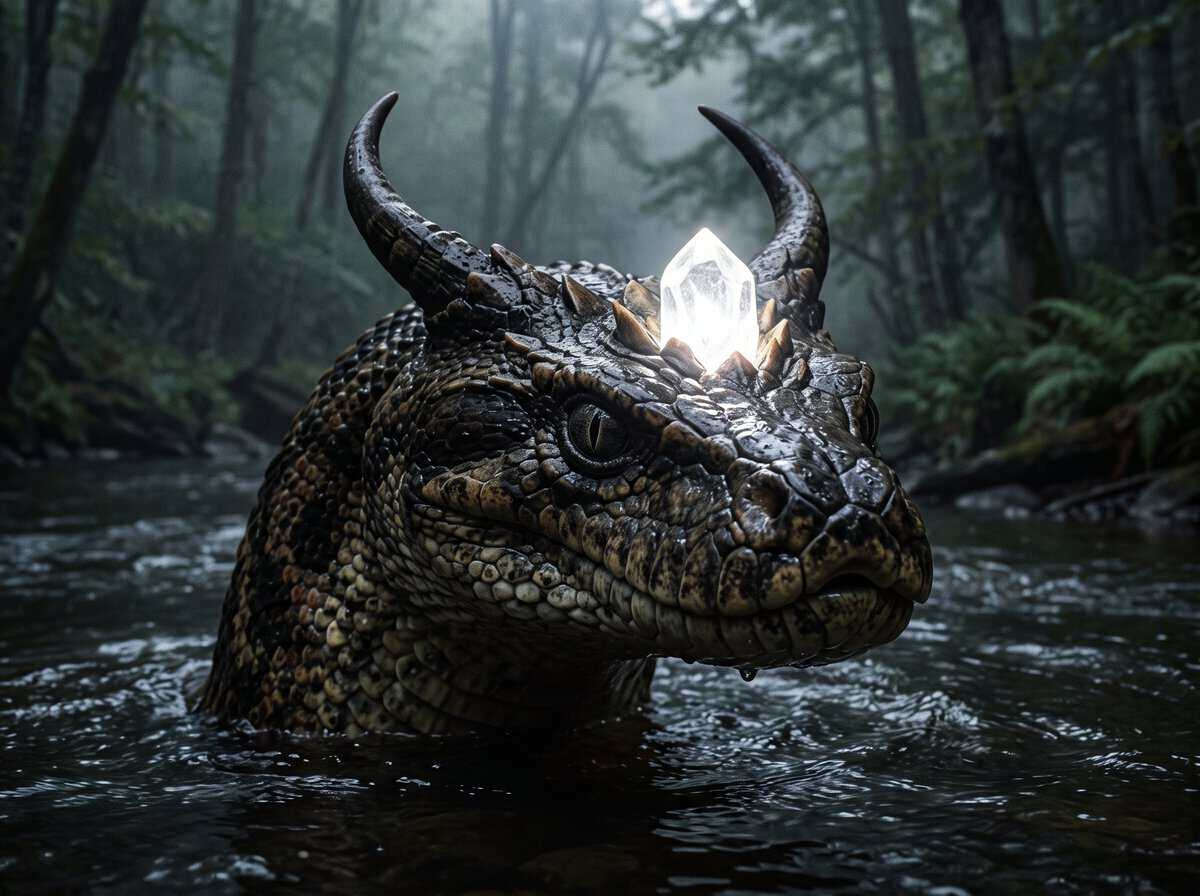
One of the most fascinating parts of the Uktena tradition concerns a powerful object associated with the serpent’s head.
In recorded accounts, this object is known as Ulûñsû’tĭ. It is often described as a brilliant crystal or jewel possessing extraordinary supernatural qualities.
The object was considered incredibly valuable, but obtaining it was extremely dangerous because someone would first have to overcome Uktena.
The crystal was not simply a beautiful decoration. Stories gave it spiritual significance and described special knowledge surrounding its possession and use.
This transformed Uktena into both a terrifying monster and the guardian of something immensely powerful.
3. Simply Seeing Uktena Could Be Dangerous
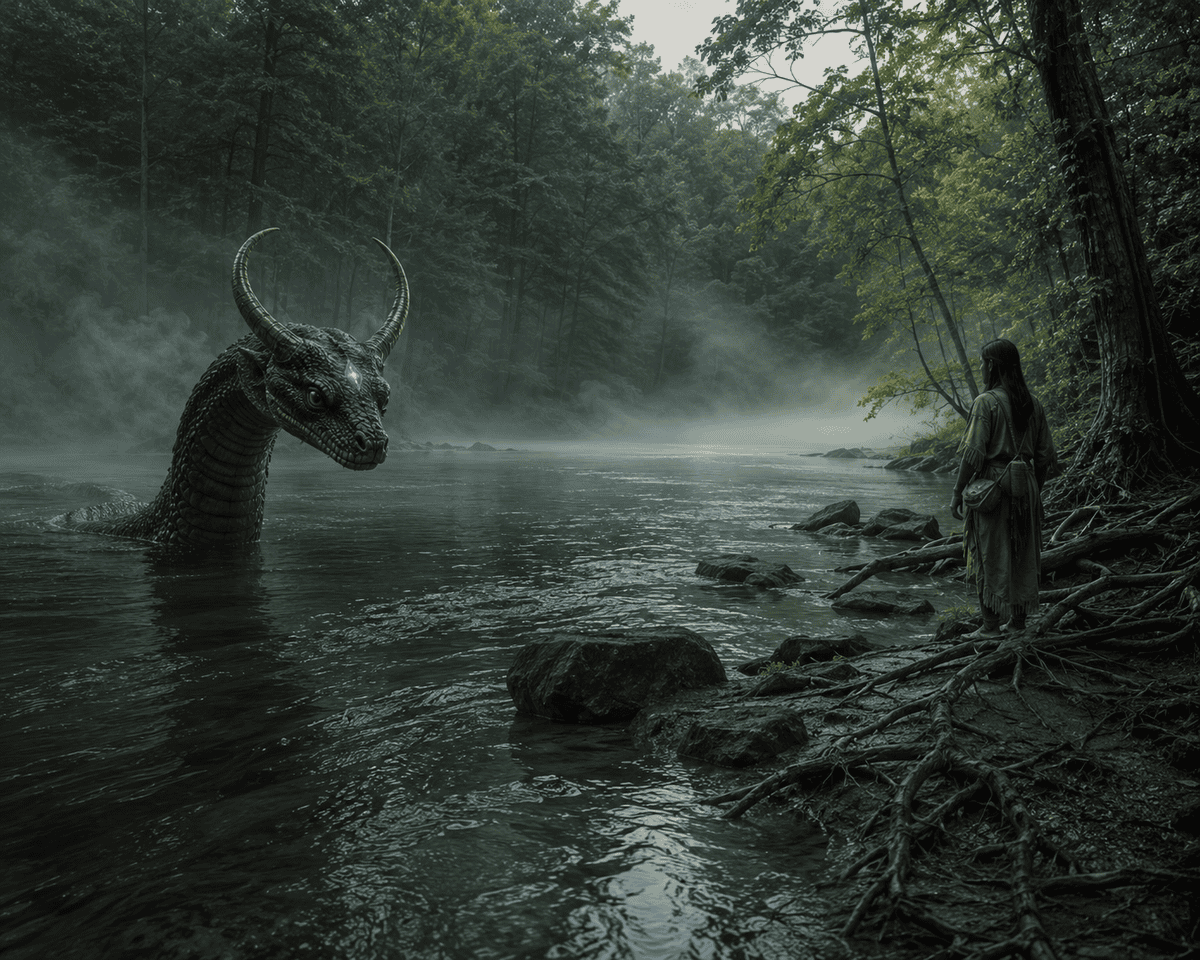
Fighting Uktena was not the only danger. Some traditions describe the serpent as possessing such supernatural power that merely encountering it could have consequences.
Descriptions collected by ethnographer James Mooney from Cherokee storytellers emphasize the danger of approaching the creature and even looking toward certain parts of it.
This makes Uktena very different from an ordinary legendary animal that can simply be hunted with enough strength.
Knowledge mattered. A person confronting supernatural danger needed to understand the rules surrounding it.
The serpent’s deadly reputation created an important lesson found throughout many traditional stories: some powers should never be approached carelessly.
4. Uktena Was Connected With Water
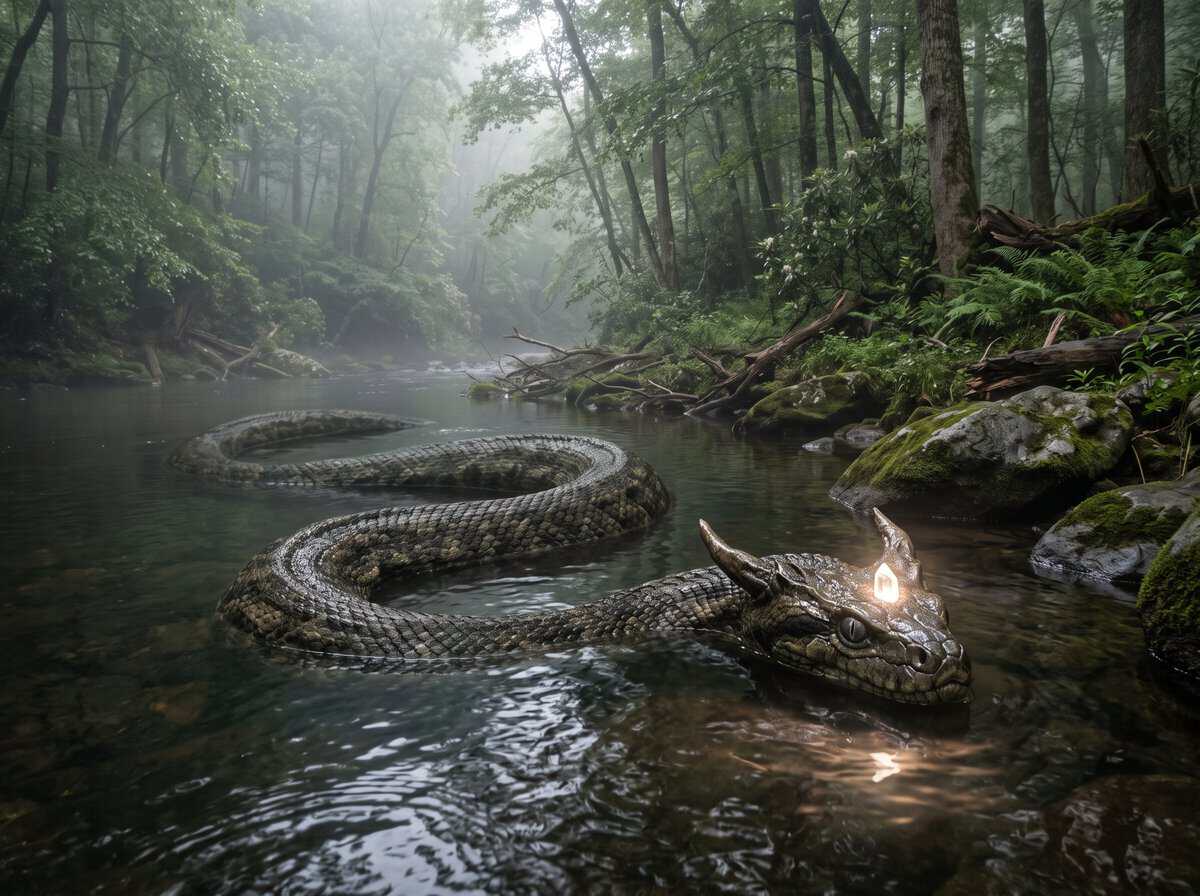
Like many horned serpents found in Indigenous North American traditions, Uktena is strongly associated with watery and remote places.
Water itself has powerful symbolic qualities. Rivers and springs provide life, yet deep or unfamiliar waters can also hide dangers beneath their surfaces.
A supernatural serpent fits naturally into this mysterious environment.
Uktena represents the hidden side of nature. A peaceful-looking body of water might conceal something completely unseen.
The serpent’s connection with such places makes its mythology especially atmospheric.
5. One Story Connects Uktena With an Attempt to Destroy the Sun
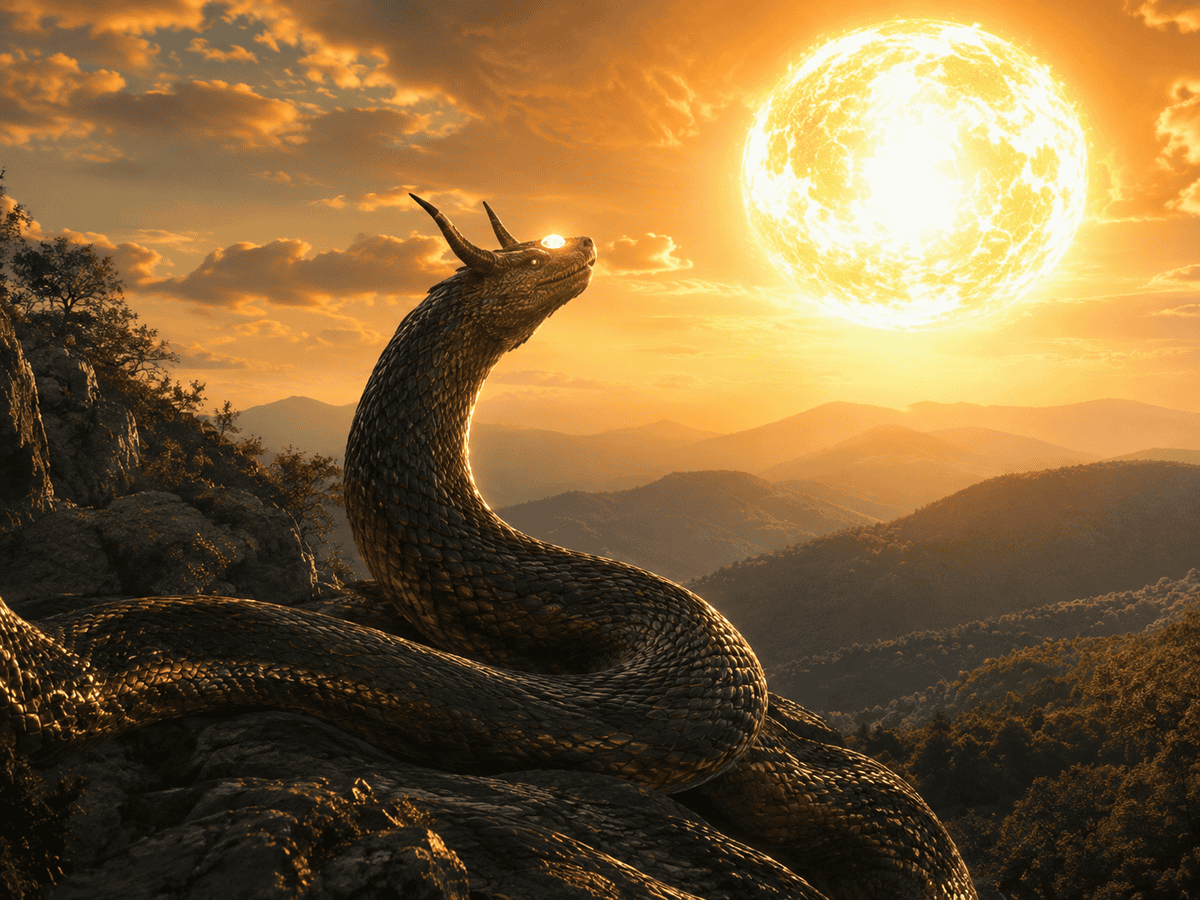
A remarkable Cherokee story explains how Uktena became connected with a conflict involving the Sun.
In one recorded version, people become angry because the Sun’s heat is causing suffering. They decide that the Sun must be killed.
Different beings attempt the task, and a powerful figure is transformed into Uktena so that it can carry out the dangerous mission.
However, the plan does not succeed as intended. This story places Uktena within a much larger cosmic drama.
Its origins become connected with human actions, supernatural transformation, and forces far greater than ordinary life.
6. Killing Uktena Required More Than Ordinary Courage
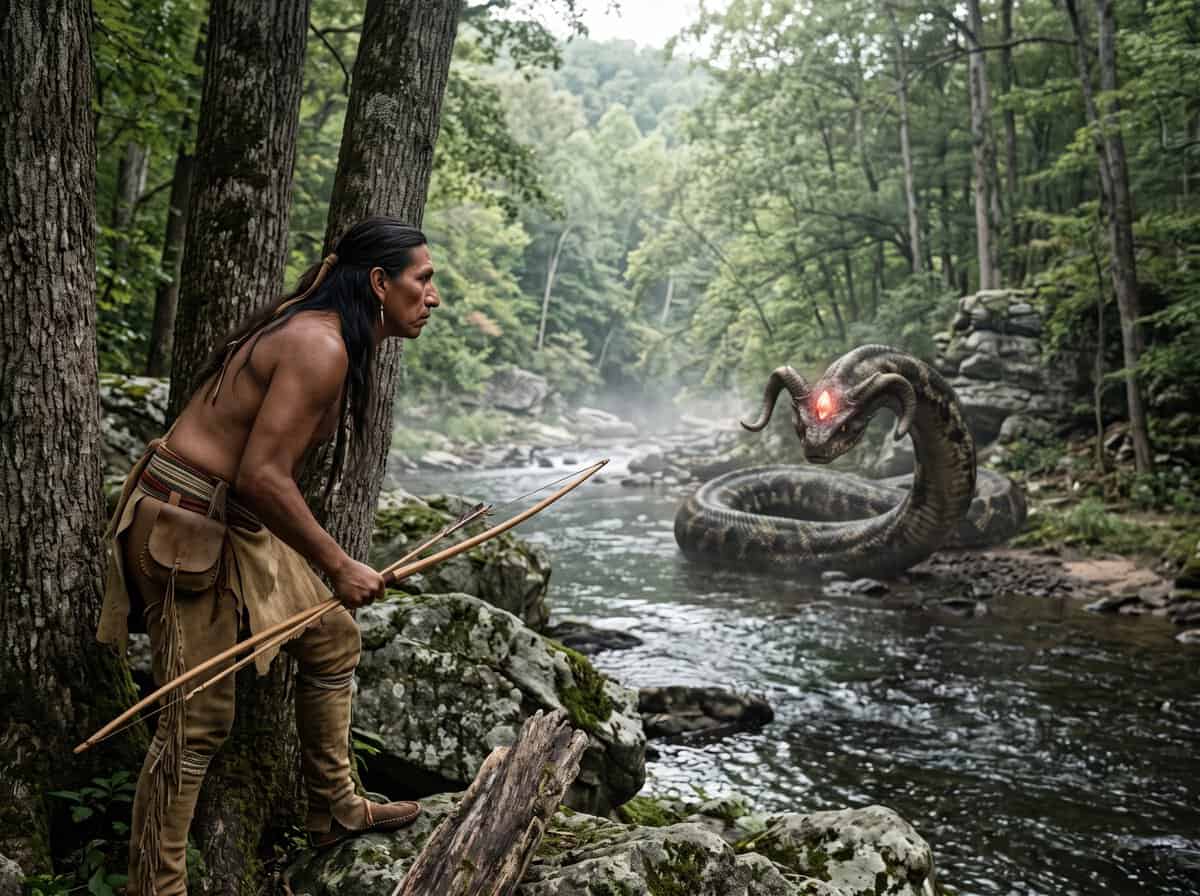
A warrior confronting Uktena faced an enemy surrounded by supernatural dangers.
Physical strength alone was not enough. Traditional stories emphasize the importance of knowing how to approach powerful beings correctly.
This reflects a broader theme found in many myths around the world. The hero who succeeds is often not simply the strongest person.
Success requires knowledge, patience, preparation, and respect for powers that cannot be treated casually.
Uktena represents the perfect supernatural challenge because the serpent combines physical danger with mysterious abilities.
Someone seeking its crystal could not simply rush forward. The stories therefore transform encounters with Uktena into tests of judgment as much as bravery.
7. Uktena Was Not Simply a Symbol of Evil
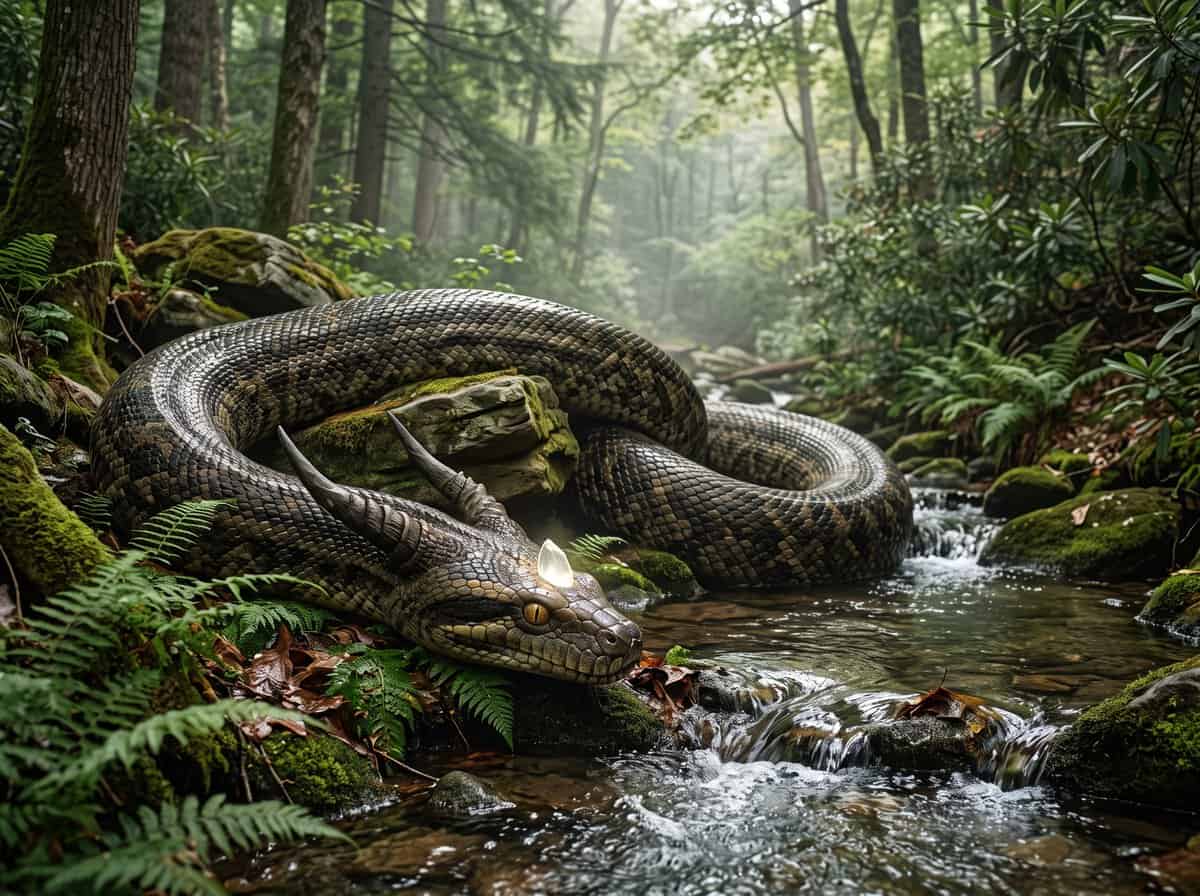
It can be tempting to divide mythological beings into simple categories of good and evil.
Uktena does not fit comfortably into that approach. The serpent was certainly dangerous, and stories surrounding it contain serious warnings.
However, supernatural danger is not necessarily the same thing as absolute evil. Uktena possesses power that humans must understand and respect.
Its famous crystal could itself become an object of great importance when properly obtained and handled.
This creates a more complicated picture. The serpent represents forces that can be dangerous precisely because they are powerful.
Nature works similarly. Fire can warm a home or destroy it. Water sustains life but can also become deadly.
Uktena belongs to this world of power that demands knowledge and caution rather than simple moral labels.
8. The Uktena Crystal Was Treated With Great Caution
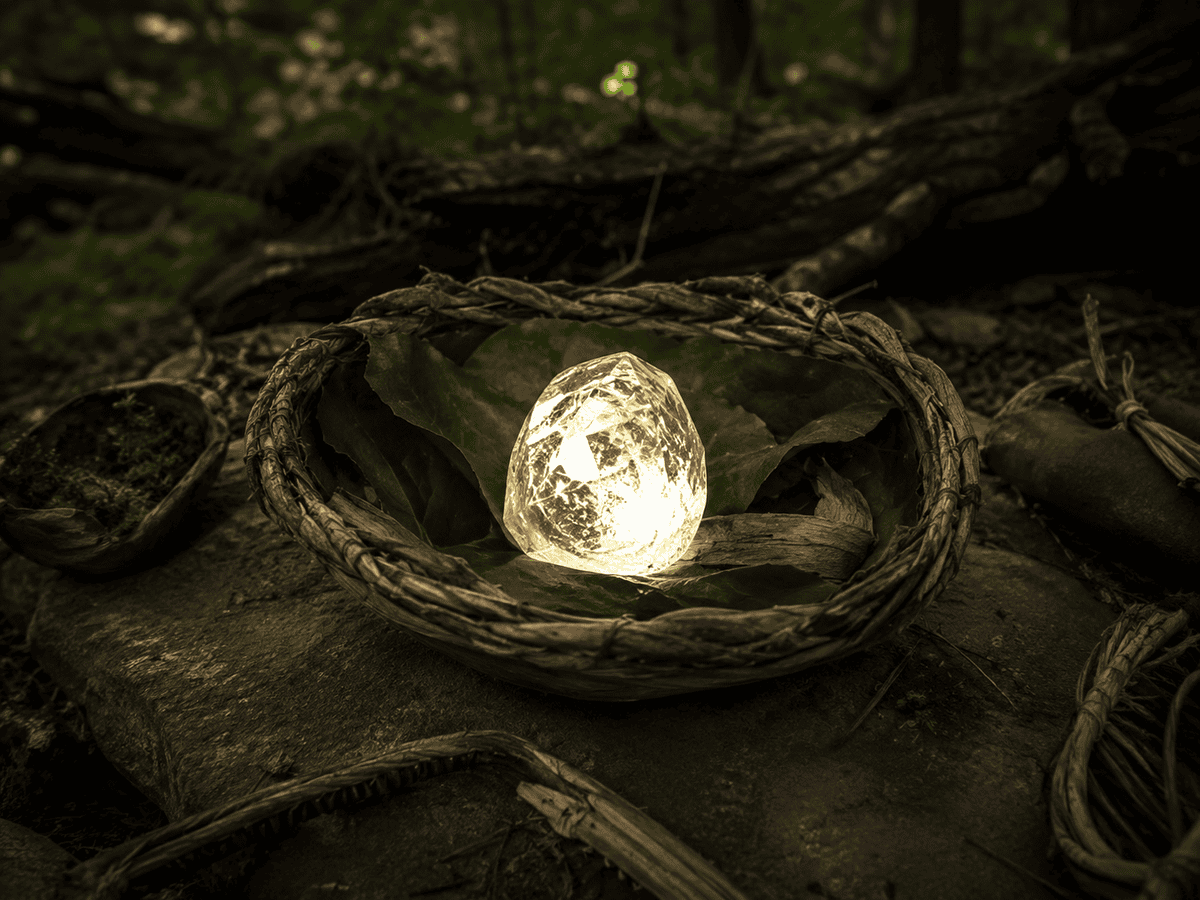
Obtaining the Ulûñsû’tĭ did not mean that all danger had disappeared. Recorded traditions describe the crystal as an object requiring special treatment and knowledge.
Its power could not simply be possessed like ordinary jewelry. This is an important part of the Uktena story because it changes the meaning of the treasure.
A hero does not defeat a monster and then casually become rich. Instead, supernatural power creates responsibility.
The person possessing such an object must understand how to handle it.
This theme appears frequently in traditional stories where sacred or powerful objects come with rules.
The lesson is simple but important. Possessing power is not the same thing as being able to control it.
Uktena guards something valuable precisely because that treasure is not meant to be treated carelessly.
9. Uktena Belongs to a Wider World of Horned Serpent Traditions
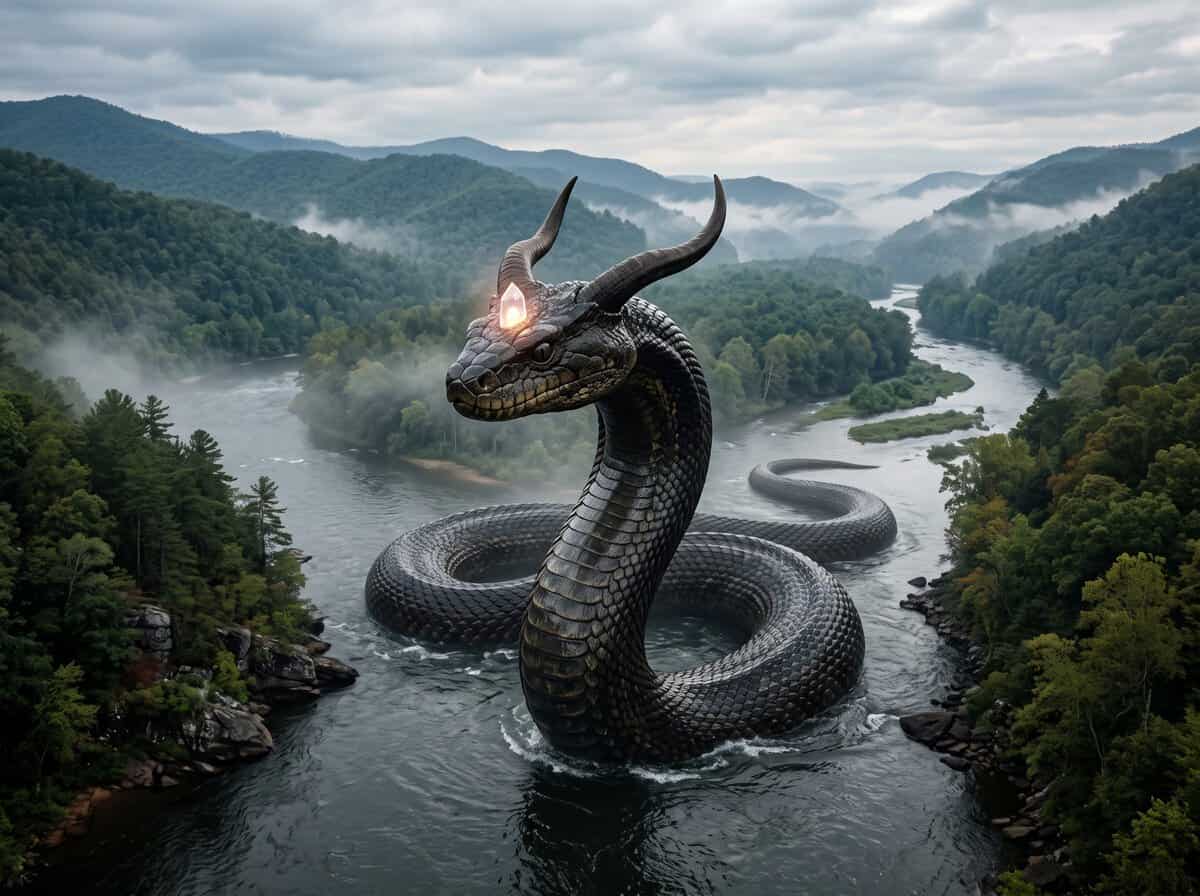
Horned or underwater serpents appear in the traditional stories of multiple Indigenous nations across North America.
These similarities are fascinating, but they should be approached carefully. The stories do not all describe the same being.
Each nation possesses its own traditions, cultural meanings, names, and relationships with these supernatural figures. Uktena specifically belongs to Cherokee tradition.
For the Cherokee, Uktena developed within a particular world of stories involving supernatural power, dangerous places, sacred knowledge, and relationships between humans and other beings.
10. Uktena Remains One of the Most Fascinating Beings in Cherokee Stories
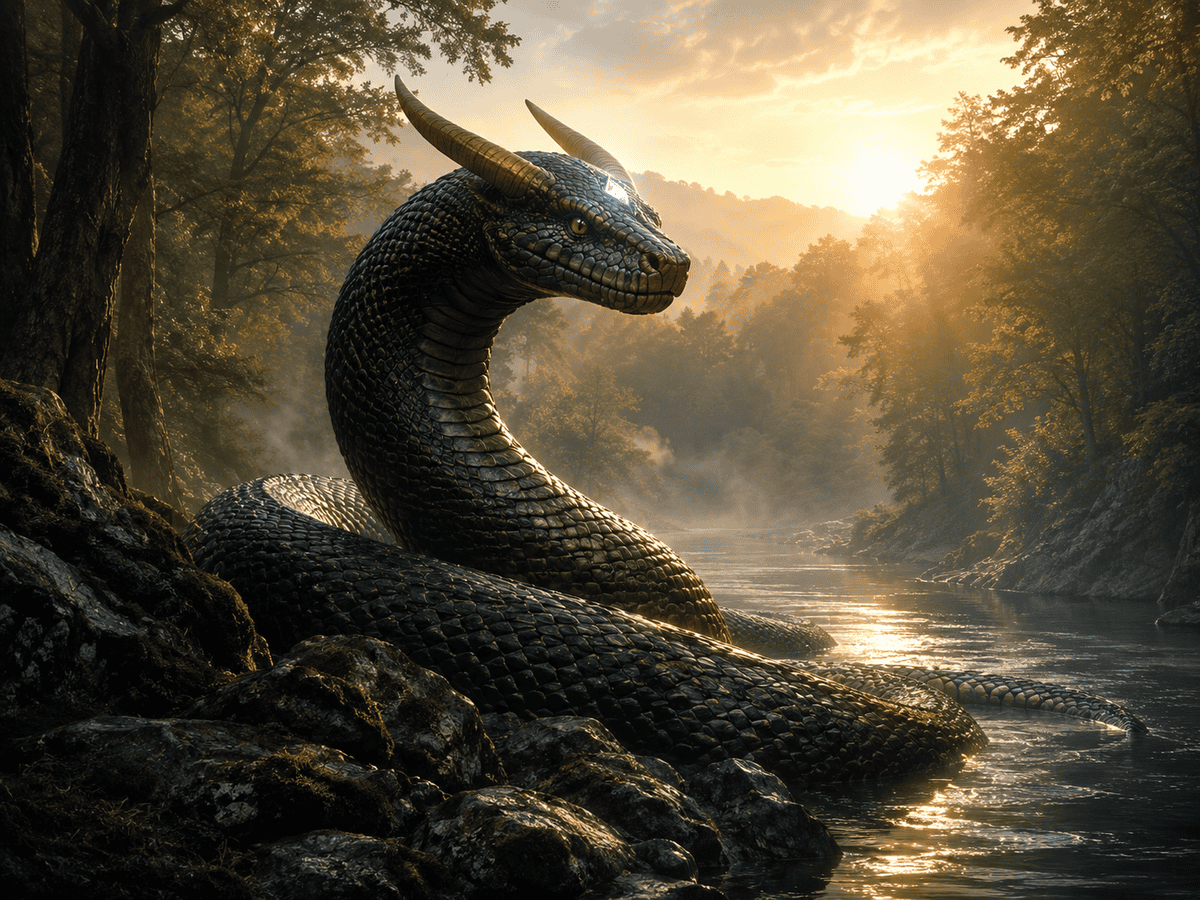
Uktena continues to attract attention because the stories surrounding it combine so many powerful ideas.
It is a serpent, but it possesses horns. It is terrifying, yet it guards something valuable.
It is associated with dangerous supernatural forces, but its mythology is more complicated than a simple battle between hero and monster.
Most importantly, Uktena reflects a traditional worldview in which the natural and supernatural worlds are deeply connected.
Mountains, rivers, animals, celestial bodies, and human actions can all become part of the same meaningful universe.
That is what makes Uktena far more interesting than a fantasy monster.
Its stories carry ideas about courage, caution, knowledge, responsibility, and respect for powers greater than ourselves.

Ho sempre sentito una forte connessione con il Divino fin dalla mia nascita. Come autrice e mentore, la mia missione è aiutare gli altri a trovare l'amore, la felicità e la forza interiore nei momenti più bui.