
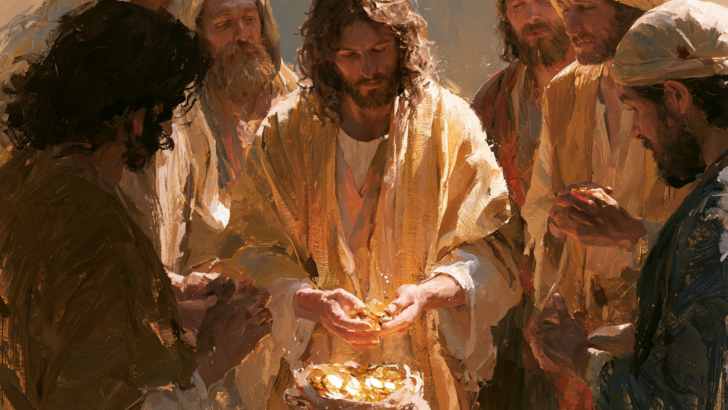
Was Jesus truly poor? Many people visualize him as a being without belongings and at the mercy of strangers, who provided him with food and lodging.
There are valid grounds for viewing Jesus as a simple man, but the Gospels contain ambiguous elements.
Though the available information does not mean that Jesus had much money himself, it indicates that the material situation of Jesus was more complicated than the contemporary interpretations imply.
1. His Family Had A Skilled Trade

Jesus is called a tekton in the Gospels. It may be translated as a carpenter or a person who works with wood, stone, or brick. Either way, this implies that Jesus was not from a very poor family.
Joseph was also identified with this profession, which means that Jesus belonged to a family that had some practical trade. Despite that, it does not guarantee that the family was very rich.
2. His Ministry Had Financial Supporters
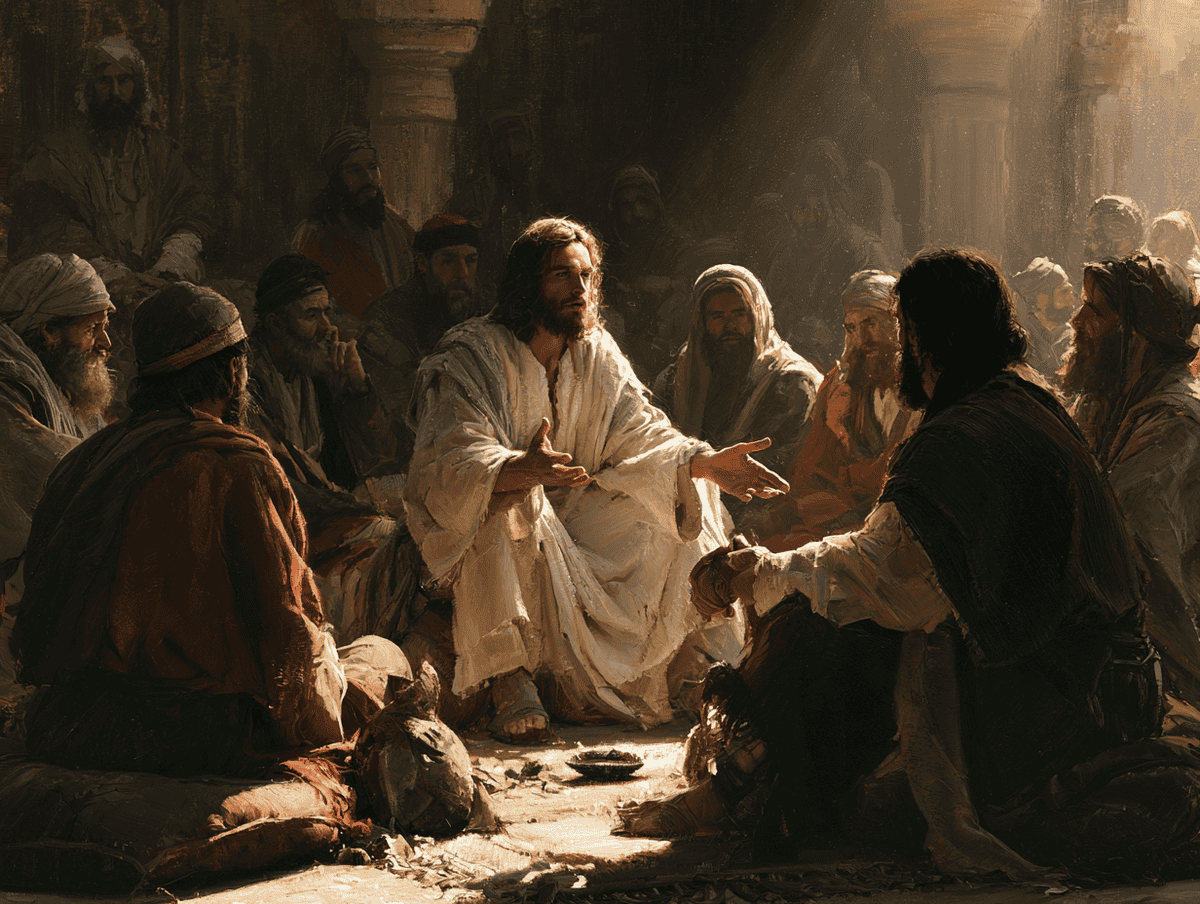
We can discover some of the episodes where Jesus’ ministry received funding. According to the Gospel of Luke, Mary Magdalene, Joanna, and Susanna provided financial means to Jesus and his disciples for traveling purposes.
Joanna is particularly intriguing because she is known as the spouse of Chuza, who is a head servant of King Herod. This implies that at least some of the followers had some financial resources or connections.
Jesus was not necessarily trying to amass riches for himself but was surely able to get funds for necessary travel, food, and everyday things.
3. The Disciples Had A Shared Money Bag
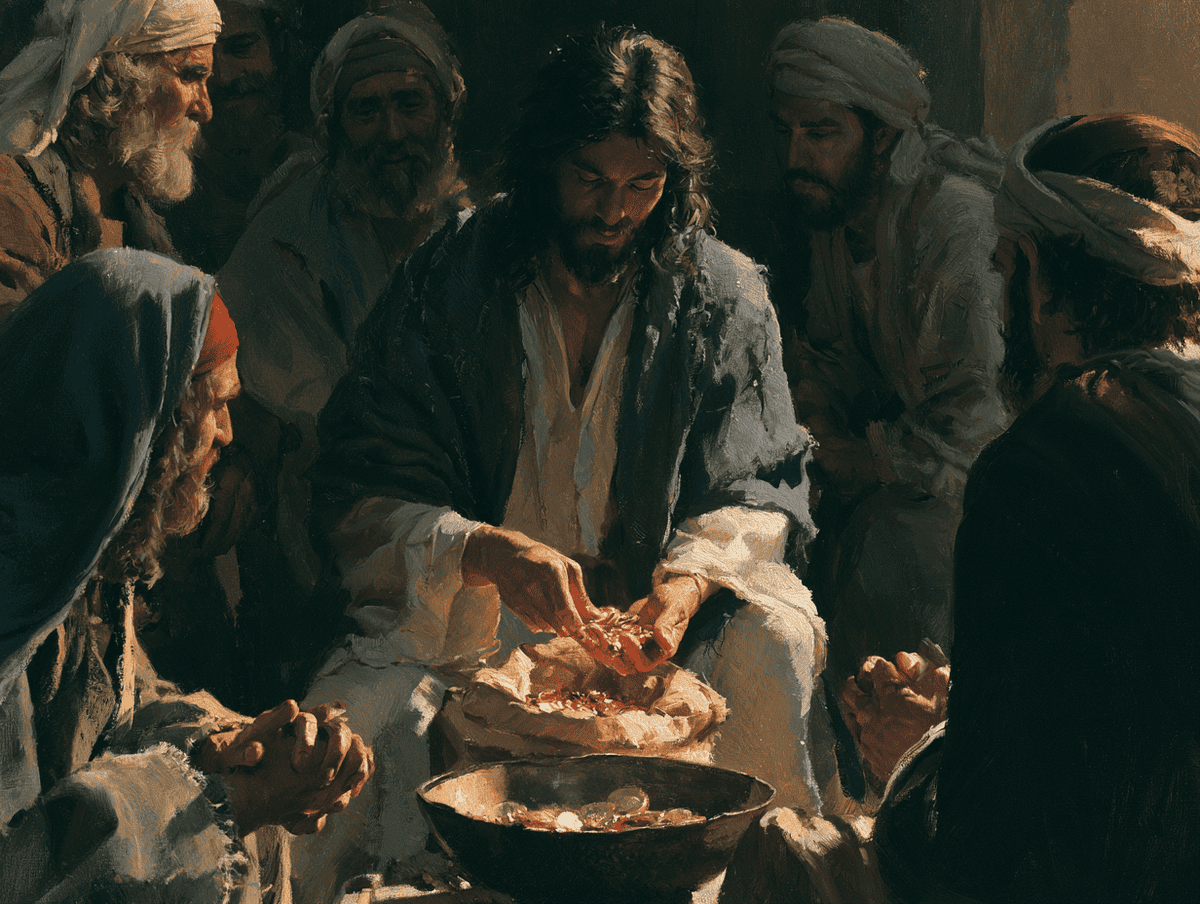
The Gospel of John talks about shared money, which was controlled by Judas Iscariot. This means that Jesus and most of his followers were not totally deprived of money.
What is more important is that the group did have some money to be able to buy all the necessary things. It is even said that during the Last Supper, some of the disciples were convinced that Jesus sent Judas to buy some things for the festival or give some money to the poor.
However, this does not mean that the treasure was full of a huge amount of money. What is clear, however, is that the ministry had some structure of finance and was not solely relying on donations.
4. Jesus Wore A Seamless Tunic
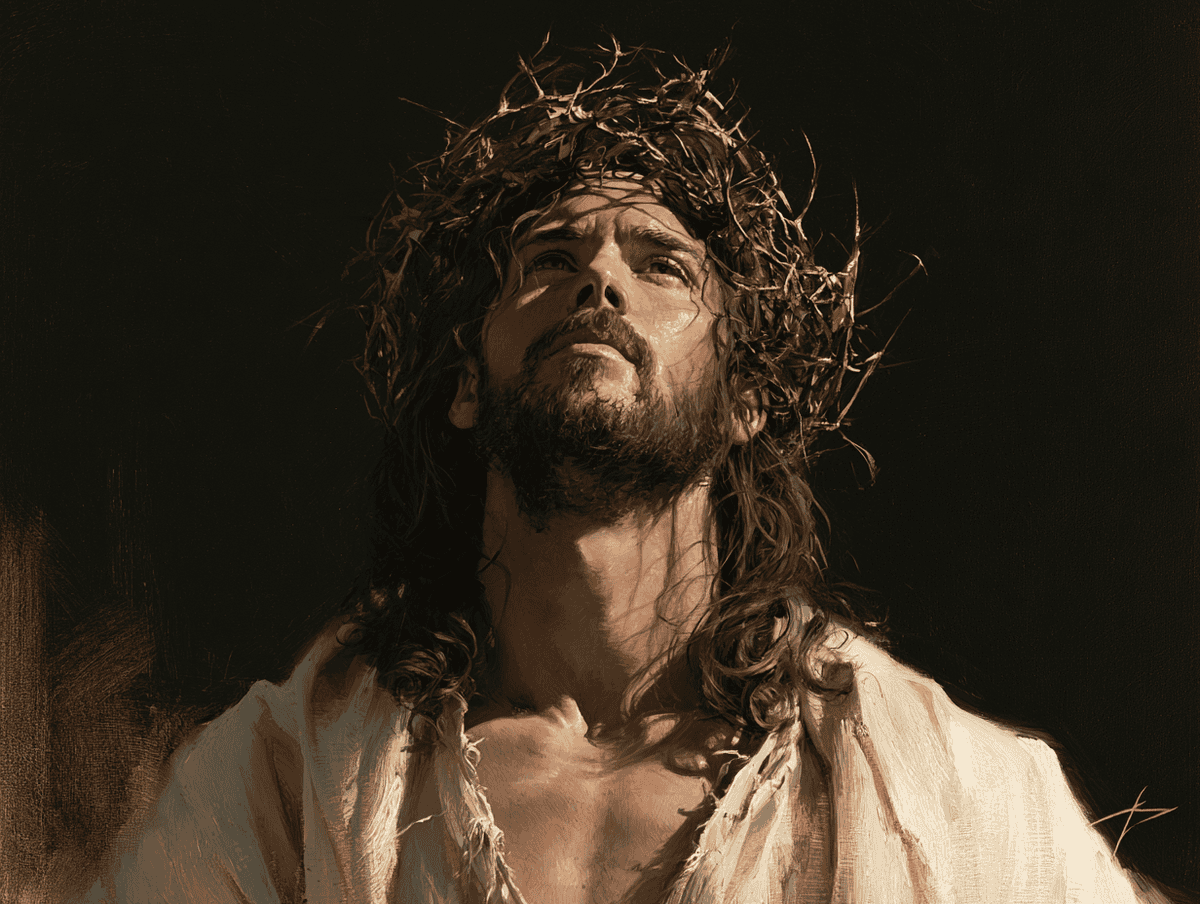
One interesting point of discussion during the crucifixion is the fact that Jesus wore a tunic that was made of one piece from top to bottom. Some researchers say that the fact that the garment was seamless means it had a high value, and it makes Jesus’ clothing of good quality.
However, some scholars consider it not a reasonable argument to say that Jesus was a wealthy person because of this fact.
Nonetheless, as far as is known, the soldiers thought it worthwhile to keep the robe worn by Jesus. This fact proves to be an interesting element of the discussion regarding Jesus’ material situation.
5. He Regularly Dined In Other People’s Homes
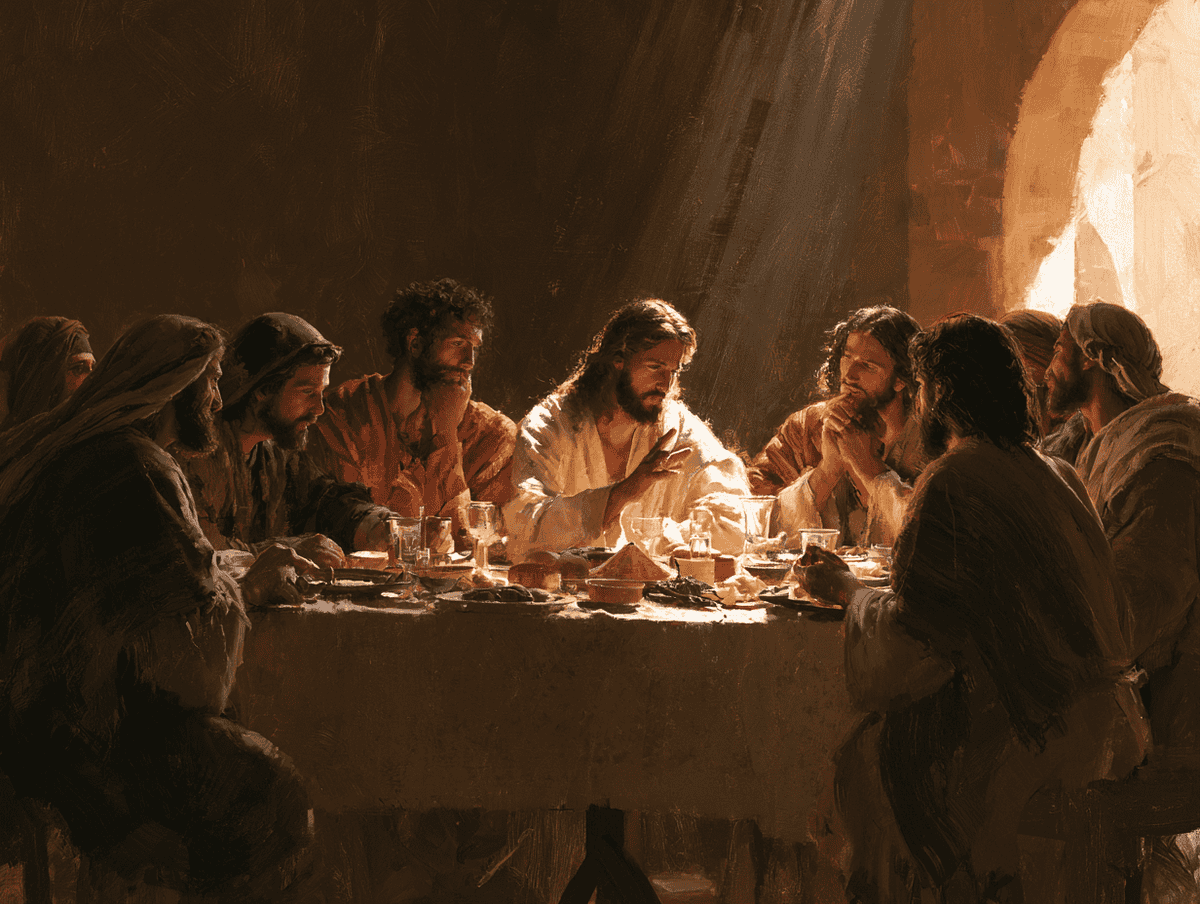
Jesus does frequently appear eating at homes throughout the Gospels. The meals he shared with the tax collectors, religious leaders, apostles, etc., took place in different homes.
Some meals were organized in places that were able to invite several guests. This may suggest the fact that Jesus knew not only poor members of society. He is known for keeping company with outsiders and marginalized people.
However, he cannot be blamed for only interacting with one social class. His mission made him meet with people who possessed houses, properties, and wealth.
6. Expensive Perfume Was Poured Over Him

The Gospels describe a curious story when Jesus was smeared with highly expensive perfume. According to John’s Gospel, Judas argued that the perfume cost 300 denarii and could be sold.
This is quite a big sum in comparison with the daily wage of an ordinary worker. However, Jesus defended the actions of the woman instead of demanding that she sell the perfume.
Nonetheless, it is evident that his associates were at times ready to offer him much-needed means and therefore contradict the plain interpretation that he was entirely poor.
7. Some Of His Followers Had Successful Businesses
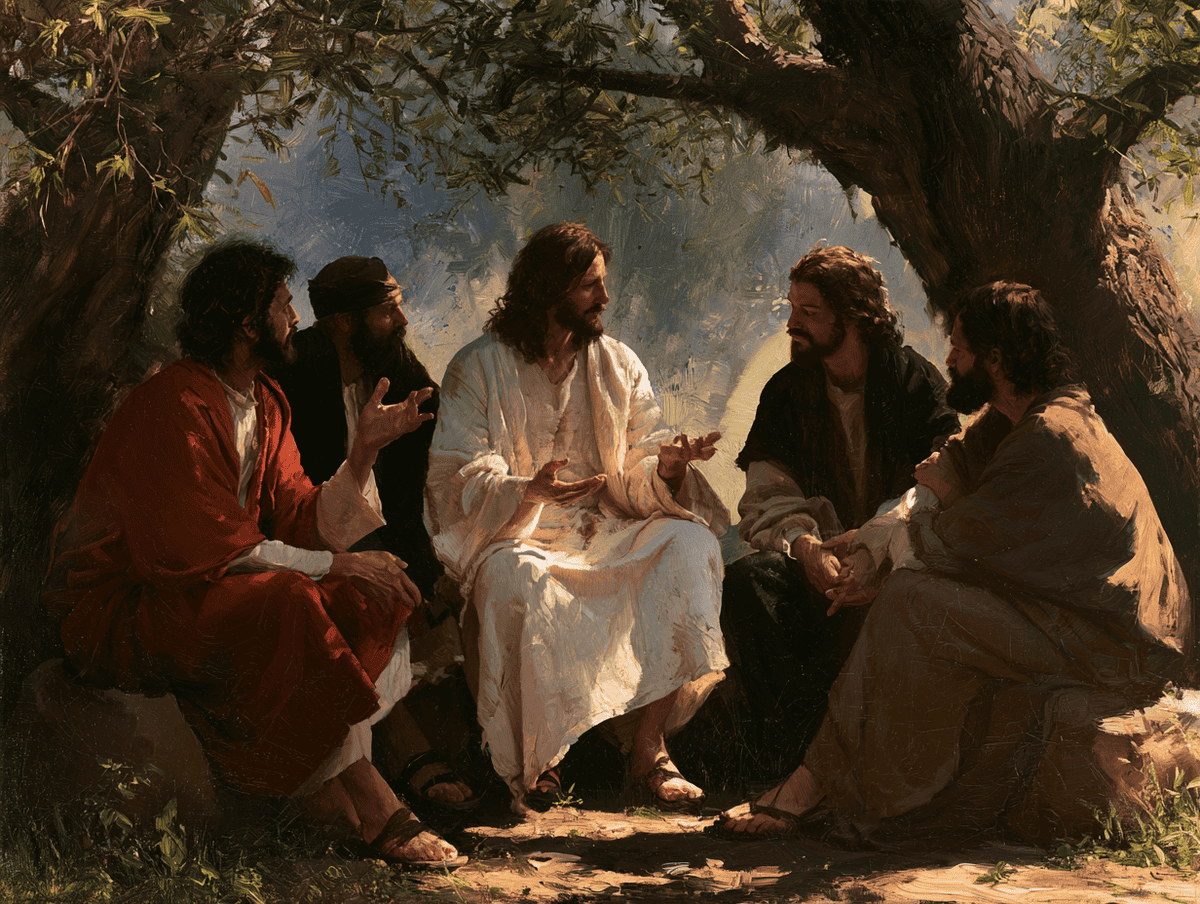
Some of Jesus’ disciples were fishermen before joining him. While nowadays they are often represented as lonely fishermen with just one net, the gospels indicate that they did not work alone.
James and John worked with their father Zebedee, who had workers. Fishing on the Sea of Galilee would involve boats, equipment, partnerships, processing, and commercial networks.
Hence, the disciples might not have been very wealthy by Roman standards, but were probably economically active people before following Jesus. Thus, Jesus attracted disciples from people engaged in business, and not only from those in poverty.
8. His Group Could Give Money To The Poor
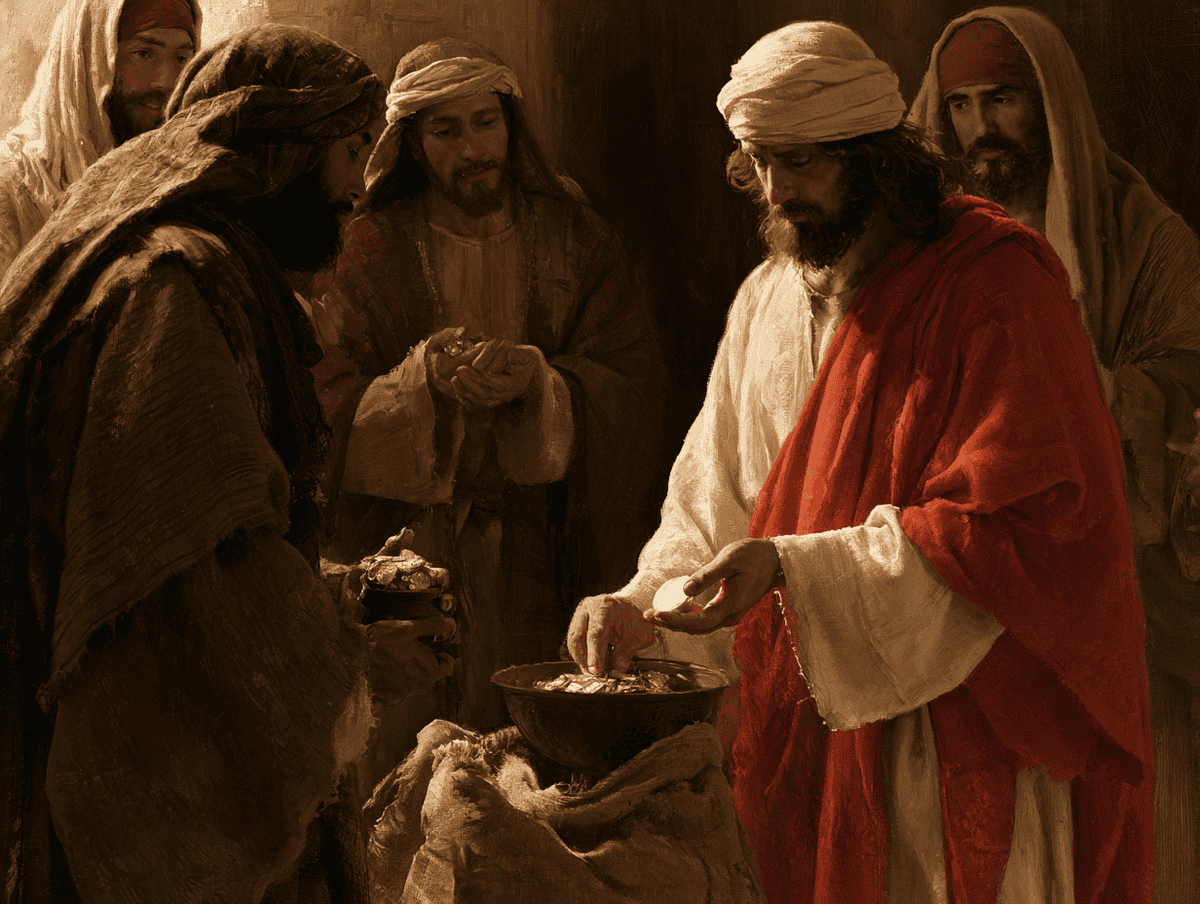
Another interesting point appears with the misunderstandings about Judas’ departure during the Last Supper. While Jesus controlled the money of the group, people thought that he ordered Judas to make some purchases for the feast or give some money to the poor.
This means that giving to the poor was quite a common practice. If a group had been completely impoverished, it would hardly have been able to give some money to others.
It does not prove the speculation that Jesus was a wealthy person, but it indicates that Jesus had money and sometimes used it to help the poor.
9. He Had Access To Valuable Resources When Needed

Many gospel stories indicate that Jesus was able to use the resources he received from his friends. He entered Jerusalem on a donkey that had been prepared for him. His disciples even managed to secure a furnished room for the Last Supper.
After he died, his body was buried in the tomb provided by Joseph of Arimathea, while Nicodemus provided the materials for Jesus’ burial.
All these things did not belong to Jesus, but proved that he had relevant associations that helped him with the needs he had in material things. Therefore, Jesus managed to live the life of severe simplicity, but had the networks of people securing him a lot of things.
10. Simplicity Isn’t Necessarily The Same As Poverty

Perhaps the greatest confusion came from merging the terms of living in simplicity and poverty. Jesus taught against greed and warned people about the dangers of being selfishly wealthy.
He said that he himself had no place to stay, indicating that he was roaming on the earth. However, the gospel says quite the opposite, saying that he had money and donors who provided food and clothes and helped with transport.
Thus, it does not prove that Jesus was a wealthy businessman but shows that he chose to live in simplicity while having the resources and enough to get by.

Born and raised in Bosnia and Herzegovina. Ever since I was a little girl, my imagination knew no bounds. I remember vividly how I’d scribble down short stories, each page bursting with adventures and characters conjured up from the whimsy of my mind. These stories weren’t just for me; they were my way of connecting with my friends, offering them a slice of my fantasy world during our playtimes. The joy and excitement on their faces as we dived into my fictional realms motivated me to keep writing. This early passion for storytelling naturally evolved into my pursuit of writing, turning a childhood hobby into a fulfilling career.